National parks are some of the best-value places in the country for families. The scenery is free to look at, the walks cost nothing, and the learning is built in. Once you pay the entrance fee (or use a pass), many of the best activities cost little or nothing.
This list gives you 30 free and low-cost things to do in national parks with kids. Each idea has a quick tag for cost and suggested ages, so you can pick what fits your trip. After the list, you will find money-saving rules, a sample free day,y and answers to common questions. For more on the parks themselves, see our guide to the best national parks for families with young kids.
Important: Fees, passes, programs and rules differ by park and change over time. Check each park’s official page on nps.gov before you go.
Quick answer: The best free things to do in national parks with kids are the Junior Ranger program, ranger-led talks and walks, visitor center exhibits, short nature trails, scenic drives, wildlife watching, stargazing and picnics. Bring your own food, join free programs and visit in the shoulder season to keep costs low.
How to Use This List
- Free means no cost beyond the park entrance fee, if one applies.
- Low cost means a small fee or items you may already own.
- Ages are suggestions only.
- Choose a few ideas for each day, and leave time for rest.
Ranger Programs and Learning (Free)
1. Junior Ranger program
Cost: free at most parks, with a few parks selling badges. Ages: 4 to 13, and anyone can join. Kids complete activities, show a ranger, er and get sworn in. See our guide to the Junior Ranger program.
2. Ranger-led walks and talks
Cost: free. Ages: all ages. Rangers lead short walks and talks about wildlife, geology, and history. Check the schedule at the visitor center.
3. Visitor center exhibits and films
Cost: free. Ages: all ages. Exhibits, maps, and short films give kids context and a break from the sun or rain.
4. Evening campfire or amphitheater programs
Cost: free. Ages: 5+. Many parks offer evening talks, often with stories, music, or night-sky topics, particularly in summer.
5. Ask a ranger
Cost: free. Ages: 5+. Let kids ask a ranger a question about animals, plants, or the park. Rangers love curious kids.
6. Passport stamps
Cost: free stamps, though the passport book costs a little. Ages: 5+. Collecting cancellation stamps at each park is a fun hobby, and it makes kids eager to visit more.
Easy Walks and Natural Wonders (Free)
7. Short nature trails and boardwalks
Cost: free. Ages: all ages. Many parks have flat, short trails with signs. Our list of family-friendly hikes in the U.S. includes many examples.
8. Waterfall walks
Cost: free. Ages: 3+. Waterfalls make a great reward, but keep kids well back from wet rocks and fast water.
9. Lakeshore or riverside walks
Cost: free. Ages: all ages. Look for ducks, fish, and reflections. Stay within arm’s reach of young children near water.
10. Tide pool exploring
Cost: free. Ages: 4+. At coastal parks, check tide tables and look without touching or removing creatures. Wear sturdy shoes, and watch for waves.
11. Scenic overlooks and pullouts
Cost: free. Ages: all ages. Many of the best views are a few steps from the road. Hold hands near edges.
12. Scenic drives with stops
Cost: free besides gas. Ages: all ages. Turn the drive into an adventure with a “stop at every pullout” game. See our guide to road trip games for kids.
13. Wildflower walks
Cost: free. Ages: 3+. In spring and early summer, many parks have wildflowers. Look but do not pick.
14. Geology hunt
Cost: free. Ages: 5+. Look for layers, colors,s and shapes in rocks. Take photos instead of rocks, since collecting is not allowed in most parks.
15. Interpretive trails
Cost: free. Ages: 5+. Trails with signs and numbered stops teach history, plants, and animals as you walk.
Wildlife and Nature Games (Free)
16. Wildlife watching from a safe distance
Cost: free. Ages: all ages. Use pullouts, stay in your car near animals,s and keep the usual distances. In many parks, the rule is at least 100 yards from bears and wolves and 25 yards from other wildlife, but check each park’s rules.
17. Birdwatching with a checklist
Cost: free, binoculars optional. Ages: 5+. Ask the visitor center for a bird list, and let kids tick off what they see.
18. Nature scavenger hunt
Cost: free. Ages: 3+. Look for a pinecone, a feather, something red, a smooth rock. Leave items where you find them. For more ideas, see our guide to camping games for kids.
19. Nature journaling
Cost: low (notebook and pencils). Ages: 5+. Draw a leaf, record an animal sighting, and write a sentence about the day.
20. Leaf and bark rubbings
Cost: low (paper and crayons). Ages: 3+. Rub crayons over paper on bark or leaves from the ground. Do not pick from living plants.
21. Photography challenge
Cost: free with a phone. Ages: 7+. Give each child a theme, such as “something tiny” or “something huge,” and share photos at dinner.
Sky, Water and Quiet Moments (Free)
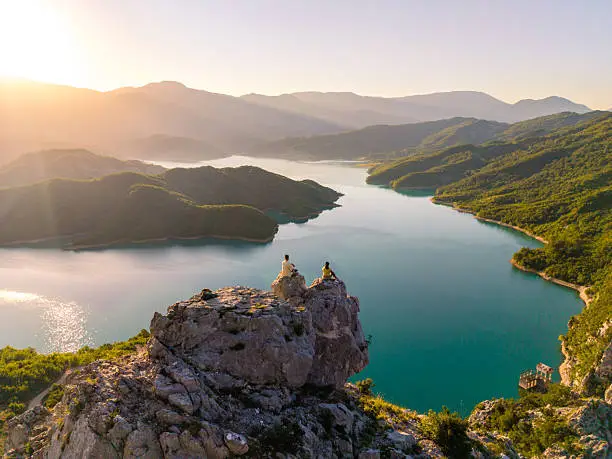
22. Stargazing
Cost: free. Ages: 4+. Many parks have very dark skies. Bring a blanket, a red flashlight,t and a star chart or app. Some parks offer ranger-led night sky programs.
23. Sunrise or sunset
Cost: free. Ages: all ages. Pick a safe overlook, bring layers and a snack, and make it a ritual.
24. Splashing in a safe creek
Cost: free. Ages: 3+. Where allowed, shallow, slow water is great for splashing. Supervise closely, and check the rules, since swimming is not allowed everywhere.
25. Swimming at a designated beach
Cost: free. Ages: 3+. Where swimming is allowed, stay in marked areas, and never rely on floaties instead of supervision.
26. Picnic with a view
Cost: low. Ages: all ages. Pack lunches and eat at a scenic picnic spot. This saves money and time. See our guide to road trip snacks for kids.
History and Culture (Free or Low Cost)
27. Historic site and ruins walk
Cost: free once you are in the park. Ages: 6+. Many parks have old cabins, forts, and cultural sites with signs and rangers. Teach kids to respect and protect them.
28. Visitor center bookstore browsing
Cost: free to look, optional small purchase. Ages: all ages. A postcard, a sticker,r or a nature guide makes a low-cost souvenir.
Camping and Campfire Fun (Low Cost)
29. Camp under the stars
Cost: low compared with lodging. Ages: all ages. A campsite is usually cheaper than a hotel. See our first-time family camping guide and family camping checklist.
30. Campfire songs and stories
Cost: free. Ages: 3+. If fires are allowed, enjoy songs and stories at a safe distance. Our guide to campfire safety for kids explains the rules.
Money-Saving Rules for National Park Trips
- Check for fee-free days. The National Park Service lists days each year when entrance fees are waived at many parks. Dates change, so check the official site.
- Consider an annual pass if you plan to visit several parks. Compare the price with the total of your entrance fees, and check current options on the park service website.
- Look for programs for specific groups, such as fourth graders, military families, etc.,s and seniors. Programs and eligibility change, so confirm the current rules.
- Pack food and water. Picnic lunches and refillable bottles cut costs.
- Use the free shuttle instead of paying for parking at multiple stops.
- Visit in the shoulder season, when lodging is cheaper, and crowds are smaller. Our guide to the best time to visit national parks with kids explains how.
- Camp or stay in gateway towns instead of in-park lodges when you can.
- Mix paid and free days. One special activity and several free ones is a good balance.
- Plan. See our guide to how to plan a family vacation on a budget for a simple budget method.
A Sample Free-Day Plan
| Time | What happens |
|---|---|
| 8:00 | Picnic breakfast at the campsite or hotel |
| 9:00 | Visitor center, pick up Junior Ranger booklets and ask a ranger for a short trail |
| 10:00 | Short nature walk with a scavenger hunt |
| 12:00 | Picnic lunch at a scenic spot |
| 1:00 | Ranger-led program or a wildlife drive |
| 3:00 | Quiet time, nature journaling or splash in a safe creek |
| 5:00 | Early dinner you brought |
| 8:00 | Stargazing or a ranger evening program |
Age Ideas at a Glance
| Age | Best free ideas |
|---|---|
| Toddlers | Short boardwalks, wildlife spotting, picnics, scavenger hunts |
| Preschoolers | Junior Ranger activities, nature bingo, waterfalls, splash play |
| School age | Junior Ranger badge, ranger talks, tide pools, stargazing |
| Tweens and teens | Photography, geology, longer walks, passport stamps |
Little ones need extra planning. Our guides to hiking with toddlers and hiking with a baby explain how to keep the day safe and fun.
Safety and Respect
- Stay on trails and boardwalks. Cliffs, thermal areas,s and water can be dangerous. Our family travel safety tips cover more.
- Keep your distance from wildlife, and never feed animals.
- Carry water, snacks, layers, ers and sun protection.
- Check the weather with the National Weather Service.
- Leave no trace. Pack out trash, and leave plants, rocks, and artifacts where you found them. The Leave No Trace Center offers simple guidelines for families.
Common Mistakes on a Budget Park Trip
- Forgetting to check fees and passes in advance.
- Buying expensive snacks and drinks inside the park.
- Trying to do too many things and spending extra on paid tours.
- Skipping the visitor center, which has free maps and programs.
- Not checking program schedules. Some are only at certain times.
- Taking natural items home. It is not allowed in most parks.
- Leaving food unattended and attracting wildlife.
Frequently Asked Questions
What are free things to do in national parks with kids?
The Junior Ranger program, ranger talks and walks, visitor center exhibits, short nature trails, scenic drives, wildlife watching, stargazing,g and picnics are free once you are inside the park.
Are national parks free for kids?
Many parks do not charge young children separately, but entrance fees are often per vehicle, so you still pay unless you have a pass. Check each park’s official page for current fees.
How can I visit national parks on a budget?
Pack food, camp, use the free shuttle, join free ranger programs, consider an annual pass, and travel in the shoulder season.
Are there free days at national parks?
The National Park Service lists fee-free days each year. Dates change, so check the official site before you plan.
What is the cheapest national park to visit with kids?
It depends on distance, season, and your lodging. Parks near home, or with free or low-cost entrance and camping, are often the cheapest. Compare total trip costs, not just entrance fees.
What free activities work for toddlers in national parks?
Short boardwalks, wildlife spotting, picnics, scavenger hunts,s and visitor center exhibits are good for toddlers. Keep outings short and flexible.
Final Thoughts
You do not need a big budget to give kids a great national park trip. The best moments, such as a waterfall, a wildlife sighting, a badge ceremony, or a sky full of stars, cost very little. Pick a handful of ideas from this list, pack food and water, join a ranger program, and let your kids lead. Cheap days often become the most memorable ones.
Ready to plan? Read our guide to how to plan a family vacation on a budget e, explore Yellowstone with kids,s or browse the best family vacations in the U.S. for ideas.