Standing at the edge of the Grand Canyon is one of those moments kids remember. It is huge, silent and hard to believe. But parents often wonder if it is a good trip with children. The drop-offs are steep, the sun is strong, the park is busy and the trails into the canyon are serious.
The good news is that the Grand Canyon is doable and rewarding for families, especially on the South Rim, where the views are a short walk from the car or the free shuttle. This guide answers the 15 questions parents ask most, then gives you a simple one-day plan. It builds on our list of the best national parks for families with young kids.
Important: Fees, shuttle routes, trail closures and park rules change. Always check the official Grand Canyon page at nps.gov/grca before you go.
Quick answer: Yes, the Grand Canyon is great for kids if you stay on the South Rim, walk the paved Rim Trail, use the free shuttle, join the Junior Ranger program and skip hiking down into the canyon with young children. Hold hands near the edge, carry plenty of water and plan around heat.
1. Is the Grand Canyon good for kids?
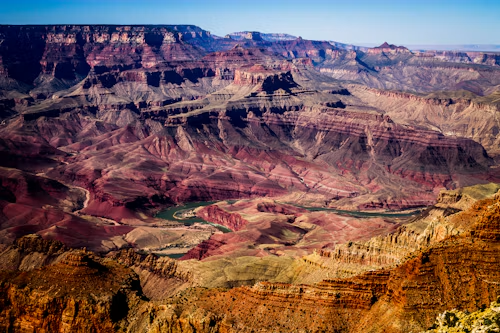
Yes, with the right plan. Kids love the huge views, the shuttle rides, the wildlife (deer, ravens and sometimes condors) and the Junior Ranger badge. The main challenges are safety near the rim, heat and crowds, and all of them are manageable.
2. What age is best for the Grand Canyon?
There is no perfect age, but families often find:
- Babies and toddlers can enjoy short, paved rim walks in a carrier or stroller, as long as parents stay very close to the edge-free sections.
- Ages 4 to 7 can handle the Rim Trail in short pieces, enjoy the Junior Ranger program and love the shuttle.
- Ages 8 to 12 are often the sweet spot, because they can walk farther, understand the rules and enjoy the science.
- Teens can handle longer rim walks and, with proper preparation and a ranger’s advice, short hikes below the rim.
3. South Rim or North Rim?
For most families, the South Rim is the better choice.
| South Rim | North Rim | |
|---|---|---|
| Access | Open year-round | Typically closed in winter |
| Services | Many lodges, restaurants and a visitor center | Fewer services |
| Getting around | Free shuttle buses | Drive and walk |
| Crowds | Busy | Quieter |
| Best for | Most families, first visits | Quiet, adventurous trips |
The two rims are far apart by road, so do not plan to see both in one day. Check the park’s page for current seasonal dates.
4. How many days do you need?
One full day lets you see the main viewpoints and earn a Junior Ranger badge. Two days is more relaxed, with time for a sunrise or sunset and a second walk. If you want to add other stops in Arizona, see our guide to budget-friendly family road trip ideas.
5. When is the best time to go with kids?
Spring and fall are often the most comfortable. Summer is the busiest and hottest, especially below the rim. Winter is quiet and cold, and snow and ice can affect trails and roads. Our guide to the best time to visit national parks with kids compares the seasons for the Grand Canyon and other parks.
6. How do you get around with kids?
The South Rim has a free shuttle bus system with several routes, and the routes and schedules change by season. Shuttles are useful because parking at popular viewpoints can fill up, and some roads are open only to shuttles.
- The visitor center area is a good starting point, with parking lots and a short walk to Mather Point.
- Village and Kaibab Rim routes connect the visitor center area to viewpoints and trailheads.
- The Hermit Road route (seasonal) takes you to several overlooks along the western rim.
- Stroller rules can vary. You may need to fold a stroller before boarding, so check the current guidance.
7. What are the best easy things to do with young kids?
- Mather Point is a short walk from the parking area and gives a big first view.
- The Rim Trail is mostly paved. The stretch between Mather Point and Yavapai Point is flat and about a mile or so, which suits many families. The whole trail is much longer, so do only a piece.
- Yavapai Geology Museum explains how the canyon formed, with big windows over the view.
- Trail of Time is an interpretive path along the rim that shows the age of rocks as you walk.
- Sunset at an overlook, such as Hopi Point via the Hermit Road shuttle, when it is open.
- Wildlife watching. Look for deer, ravens and birds soaring over the canyon, and keep your distance.
- A picnic at a scenic spot.
Our list of family friendly hikes in the U.S. also includes the South Rim Trail.
8. Can kids hike into the Grand Canyon?
Be very careful here. The park warns that hiking down is optional, but hiking back up is mandatory, and many rescues happen each year. The hike is steep, exposed, hot and has little shade or water in places.
- Do not plan to hike to the river and back in one day, especially with kids.
- For families, a short out-and-back walk on a trail such as the upper part of the Bright Angel or South Kaibab trail can be enough to feel the canyon. Turn around early, and know that the climb back takes much longer than the walk down.
- Check trail conditions and closures on the park website, since sections are sometimes closed.
- Talk to a ranger before you go below the rim.
- Carry lots of water and snacks, wear sturdy shoes and start early.
Our guide to how to plan a family hiking trip explains how to judge a trail for kids, and our article on hiking shoes for kids explains how to choose footwear.
9. Is the Grand Canyon safe for kids near the rim?
Safety is the number one concern for parents, and it is reasonable.
- Many viewpoints have railings, but the rim is open in many places, with steep drops.
- Hold young children’s hands or carry them near edges, and never let kids run, climb on walls or sit on the edge.
- Never take risky photos. Falls from the rim have been fatal.
- Keep a close eye on toddlers and set a rule: “Stay behind the rail.”
- Watch for wildlife. Do not feed animals, and stay a safe distance.
- Be careful on crowded viewpoints, where people can bump into each other.
Our family travel safety tips cover water, sun, wildlife and lost-child plans in more detail.
10. What about heat, altitude and weather?
The South Rim sits at roughly 7,000 feet, so kids and adults can feel the altitude. It can be hot in summer, much hotter below the rim, and cold at night in any season.
- Drink water often, and bring more than you think you need.
- Wear sun protection: hats, sunglasses and sunscreen.
- Dress in layers. Mornings and evenings can be chilly even in summer.
- Take it slowly the first day, and watch for symptoms like headaches, tiredness or nausea.
- Check the weather with the National Weather Service. Storms and winter weather can change plans.
- Know the signs of heat illness and move to shade if needed.
11. What is the Junior Ranger program at the Grand Canyon?
It is one of the best parts of a family visit. Kids pick up an activity booklet at a visitor center, complete activities (which often include attending a ranger program, doing puzzles and picking up litter), and then return it to a ranger to take the oath and receive a badge. Many sources list the program as suitable for ages 4 to 13, though anyone can join, and the booklet is free at most visitor centers. Check the park’s page for current locations and rules.
For tips on how the program works and how to make it fun, read our guide to the Junior Ranger program.
12. Can you bring a stroller or carrier?
Yes. The paved Rim Trail sections work well for strollers and carriers. Shuttle buses may require folding standard strollers, so a carrier can be easier. Our guides to how to choose a travel stroller and hiking with a baby explain how to choose and use each one safely.
13. Where should we stay?
- Inside the park: lodges and campgrounds put you close to the viewpoints and sunrise and sunset. Mather Campground and Yavapai Lodge are well-known options on the South Rim, and they book up early, so check the official page and reserve far ahead. Many campgrounds are on Recreation.gov.
- Tusayan, just outside the south entrance, has hotels and restaurants.
- Williams, Arizona, is a gateway town for visitors who take the Grand Canyon Railway.
- Flagstaff is a larger town about an hour or two away by car.
If you plan to camp, see our first-time family camping guide and family camping checklist.
14. What should we pack?
Our guide to the best travel gear for kids covers general gear. For the Grand Canyon, add:
- Water bottles for everyone, and more water for hikes
- Sun hats, sunglasses and sunscreen
- Layers and a light rain jacket
- Sturdy, comfortable shoes with good grip
- Snacks and a small cooler for picnic lunches
- A first-aid kit and any medicines
- Binoculars for wildlife and views
- A small daypack for each child, with their Junior Ranger booklet
- A carrier or stroller for little ones
15. How much does it cost, and how can we save?
Fees change, so check the park’s page. A few money-saving ideas:
- Entrance is usually charged per vehicle. Many parks do not charge per-person fees for young children, but confirm the current rules.
- Pack picnic lunches and fill water bottles instead of buying drinks.
- Use the free shuttle instead of paying for parking at multiple viewpoints.
- Do free activities: the Rim Trail, ranger programs and Junior Ranger.
- Visit in the shoulder season for lower lodging prices.
- Consider an annual pass if you plan to visit several parks.
See our guide to how to plan a family vacation on a budget for more ideas.
A Simple 1-Day South Rim Plan for Families
| Time | What happens |
|---|---|
| 8:00 | Arrive early, park near the visitor center and walk to Mather Point |
| 8:30 | Pick up Junior Ranger booklets at the visitor center |
| 9:00 | Walk the paved Rim Trail between Mather Point and Yavapai Point |
| 10:30 | Visit Yavapai Geology Museum, snack break |
| 12:00 | Picnic lunch in a shaded spot |
| 1:00 | Rest, quiet time and booklet activities |
| 2:00 | Shuttle to another viewpoint or attend a ranger program |
| 4:30 | Return to the visitor center to finish the Junior Ranger oath |
| 5:30 | Early dinner |
| 6:30 | Sunset at a nearby overlook, with warm layers |
Adjust the plan for your kids’ ages and the season.
Common Mistakes Parents Make at the Grand Canyon
- Trying to hike into the canyon with young kids.
- Underestimating heat and altitude.
- Arriving late. Parking and viewpoints fill up.
- Letting kids climb on walls or stand at the edge.
- Forgetting water, snacks and sun protection.
- Skipping the Junior Ranger program.
- Planning too much. Pick a few viewpoints and enjoy them.
- Forgetting layers. Evenings and mornings can be cold.
Frequently Asked Questions
Is the Grand Canyon safe for toddlers?
It can be, if you stay very close, hold hands near edges, use paved rim sections and avoid risky areas. A carrier is often easier than a stroller.
How long should you spend at the Grand Canyon with kids?
One full day for the highlights, and two days for a relaxed visit with sunrise or sunset and a second walk.
Can kids hike down the Grand Canyon?
It is not recommended to hike to the river and back in a day, especially with kids. A short hike on an upper trail with an early turnaround may be possible for older kids, and you should talk to a ranger first.
What is the best part of the Grand Canyon for kids?
The South Rim, with its easy viewpoints, free shuttle, paved Rim Trail, visitor center and Junior Ranger program.
Do kids have to pay to enter the Grand Canyon?
Entrance fees are usually per vehicle, and many parks do not charge young children separately, but check the park’s official page for current fees.
What should I know about wildlife at the Grand Canyon?
Keep your distance, never feed animals and store food properly. Squirrels and deer can look friendly, but they can bite or carry diseases.
Final Thoughts
The Grand Canyon is bigger than any photo, and kids often remember the first time they see it. Stay on the South Rim, walk a short piece of the Rim Trail, use the shuttle, earn a Junior Ranger badge and keep safety rules simple and firm. A day or two here can turn into a story your family tells for years.
Ready for more? Read our guide to Yellowstone with kids, learn how to choose a family tent for your next park trip or browse the best family vacations in the U.S..