The tent is the heart of your campsite. It is where your kids nap, where everyone hides from rain, and where the whole family wakes up together. A good family tent makes camping comfortable, and a bad one can make a trip miserable, with cramped sleeping space, leaks, stuffy air,r and a setup that takes an hour of arguing.
This guide explains how to choose a family tent. You will learn what size you actually need (and why the number on the label is misleading), the differences between tent shapes and seasons, 12 features that matter, how to compare budgets, ts and how to test a tent before you buy. If you are new to camping, start with our first-time family camping guide, and keep our family camping checklist handy for the rest of your gear.
Quick answer: what size tent does a family need? Choose a tent rated for at least two more people than you have. A family of four usually needs a 6-person tent at minimum, and an 8-person tent if you want comfort, gear space or air mattresses. Pick a tent with a full-coverage rainfly, good ventilation, a vestibule or porch for gear and a setup you can handle with the people you have.
Why the Tent Size Label Is Misleading
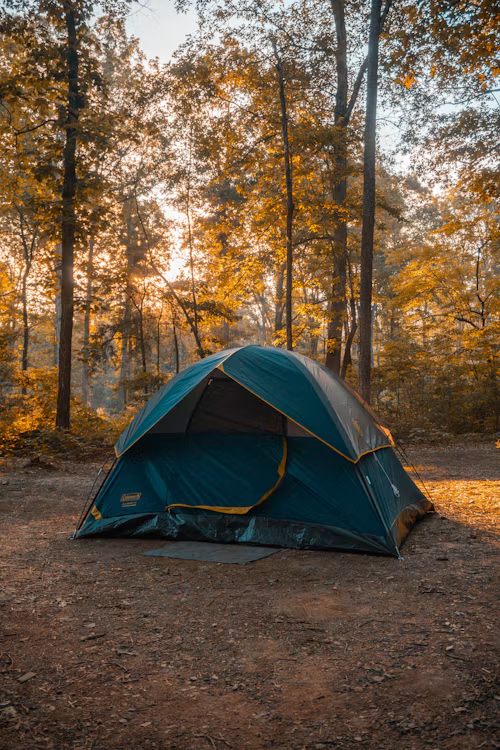
Tent capacity ratings assume people lie shoulder to shoulder on thin pads, with no gear. That works for backpacking, but not for families.
In real life, you also need space for:
- Air mattresses or thick pads, which take up more room than sleeping bags alone
- Bags, shoes, and clothes, especially on rainy days when everything comes inside
- Kids who roll, kick,k and wake up at night
- Room to sit, change clothes or play during bad weather
- A pack and play or portable crib for babies
That is why most outdoor guides suggest buying a tent rated for two to four more people than your family size. This is a rule of thumb, not an exact formula, so adjust it for how much gear you bring and how long you camp.
Family Tent Size Chart
Use this as a starting point. Choose the larger option if you use air mattresses, camp in rainy weather, bring a lot of gear, ar or like extra room.
| Your family | Minimum tent | More comfortable choice |
|---|---|---|
| 2 adults, 1 child | 4-person | 6-person |
| 2 adults, 2 kids | 6-person | 8-person |
| 2 adults, 3 kids | 8-person | 10-person |
| 2 adults, 4 kids | 10-person | 12-person |
| Larger group | Add two people to the headcount, then consider two tents | Rooms and dividers for privacy |
For a rough idea of space, a four-person tent often has about 60 to 70 square feet of floor space, and a six-person tent about 80 to 100 square feet, though this varies by brand and shape. Always check the floor dimensions listed by the maker, not just the person rating.
Step 1: Decide How You Camp
Before you shop, think about how your family actually camps.
- How often will you camp? A few trips a year suggests a mid-range tent. Frequent campers may want a sturdier one.
- What season? Most families camp in late spring to early fall.
- How long are your trips? Longer stays call for more room and storage.
- Where will you camp? Drive-up campgrounds can handle big, heavy tents. Hike-in sites cannot.
- How many adults will set it up? Some large tents need two strong people.
- What is your budget? More on that below.
Tent Shapes: Cabin vs. Dome vs. Others
Cabin tents
Cabin tents have nearly vertical walls and a high ceiling, so many people can stand up inside.
- Pros: lots of headroom, easy to change clothes, feel roomy
- Cons: can catch wind more easily, usually heavier and bulkier
Dome tents
Dome tents have curved poles and sloping walls. They shed wind well and are usually lighter.
- Pros: stable in wind, compact, often easier to set up
- Cons: less headroom near the walls, less usable space
Tunnel and hybrid tents
Tunnel tents offer a lot of space for the weight, but they need to be pitched carefully and angled against the wind. Hybrid designs mix features of cabin and dome tents.
Instant and pop-up tents
These tents have poles pre-attached and set up in a couple of minutes, which is a big plus for tired parents. They are often bulkier when packed, and some are less wind-resistant, so check reviews.
12 Features That Matter in a Family Tent
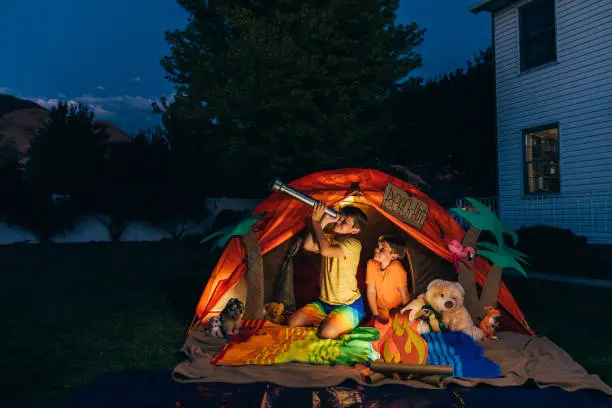
1. Floor space and layout
Check the actual floor dimensions, and picture your sleeping setup. Will your air mattresses fit with room to walk? Where will the baby sleep?
2. Peak height
Taller tents are easier to move around in. A peak height of 6 feet or more lets many adults stand.
3. Rainfly coverage
A rainfly that covers the whole tent, down to the ground, keeps out wind-driven rain. Partial rainflies leave more of the tent exposed. If you camp in wet places, choose full coverage. Our guide to camping in the rain with kids explains how to stay dry.
4. Waterproofing and seams
Look for a waterproof rainfly and floor, with taped or sealed seams and a “bathtub” floor that curves up the walls to keep water out. Waterproof ratings are often listed in millimeters, and a higher number generally means more water resistance. Treat the tent with seam sealer if the seams are not factory taped.
5. Ventilation
Good airflow reduces condensation, which causes dripping and damp bags, and keeps the tent from becoming a sauna. Look for large mesh windows, roof vents, and doors that can open fully. Ventilation matters even in cool weather.
6. Vestibule or porch
A covered area outside the door keeps muddy shoes and wet gear out of the sleeping space. Many families rate this as a must-have.
7. Rooms and dividers
Dividers create separate sleeping areas. Parents love them for naps, bedtime,e and privacy. Some tents have blackout or “dark rest” fabric that blocks light for kids who wake with the sun.
8. Doors
Two doors make it easier to move around and add airflow. Look for sturdy zippers and doors that open wide enough for adults and gear.
9. Pockets and storage
Interior pockets loopsS, loops,s and a lantern hook keep things organized and off the floor.
10. Poles and setup
Color-coded poles, clips, and pre-attached systems speed setup. Aluminum poles are lighter and stronger than fiberglass, and they cost more. Some tents use inflatable air beams. Make sure you can pitch the tent in a reasonable time with the adults you have.
11. Weight and packed size
Weight does not matter much for car camping, but packed size does, since a big tent needs space in your trunk. Check the packed dimensions and the carry bag.
12. Safety and materials
Look for flame-retardant treated fabric (often labeled with a standard such as CPAI-84 in the U.S.), good guy lines and stakes, and sturdy zippers. Never use heaters, stoves,s or grills inside a tent because of fire and carbon monoxide risks. The CDC explains carbon monoxide safety.
Tent Seasons: What Do 3-Season and 4-Season Mean?
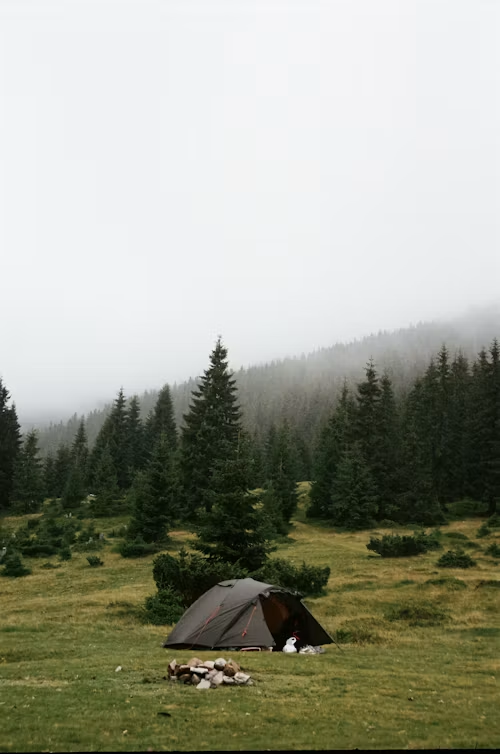
- 3-season tents are made for spring, summer, and fall. They have lots of ventilation and handle normal rain and wind. Most family tents are 3-season, and they are right for most campers.
- 4-season tents are built for snow and strong winter wind, with stronger poles and less mesh. They are heavier and often too warm for summer.
For family car camping, a good 3-season tent is the right choice. If you plan winter trips, rent a suitable tent or ask outdoor experts for advice, and read our guide to winter hiking with kids for cold-weather safety.
Check the Campsite Limits
Before you buy a giant tent, check where you camp. Many campgrounds have a size limit for the tent pad or the number of tents per site, and some sites are small or sloped. You can check site sizes and rules on Recreation.gov or the campground’s website. A tent that is too large may not fit, or it may force you to rent a second site.
Accessories That Make a Tent Better
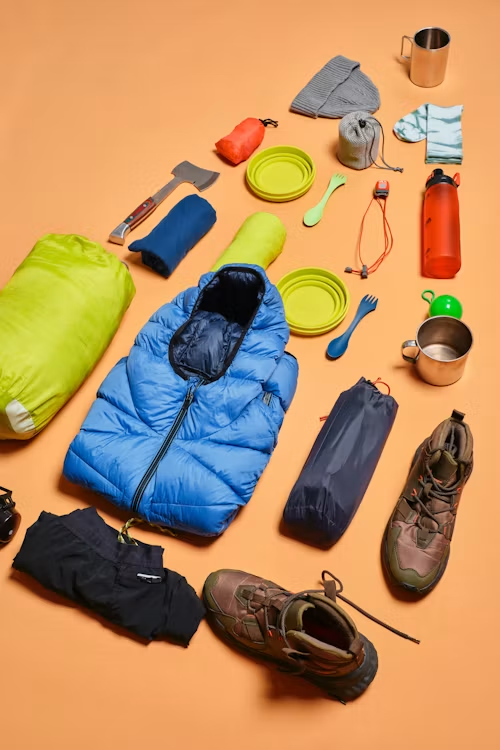
- Footprint or groundsheet. It protects the floor from rocks and moisture. Choose one slightly smaller than the tent floor, so water does not pool between the tent and the groundsheet.
- Extra stakes and a mallet, because the stakes that come with tents are often poor.
- Guy lines for windy nights.
- Seam sealer and repair tape.
- A small broom and dustpan to keep the tent clean.
- A doormat or welcome mat to reduce dirt.
- A tarp or canopy to extend your living area. Read our guide to camping in the rain with kids for how to set one up.
- Lanterns and string lights for atmosphere.
- Sleeping pads or air mattresses that fit the floor.
Our guide to the best travel gear for kids covers other items worth buying, borrowing, or renting.
Budget: What Should You Spend?
Prices vary widely by size, brand, and features, and they change often, so check current listings. A few guidelines help.
- Budget tents are fine for fair-weather weekends, but may leak in heavy rain, have weaker poles,s and have shorter lifespans.
- Mid-range tents usually offer better waterproofing, ventilation, and durability, which suits most families.
- Premium tents have stronger materials and thoughtful design, and they are worth it if you camp often.
If money is tight, consider renting for your first trips, buying secondhand from a trusted source, or borrowing from friends. Always inspect used tents for holes, mold, broken zippers, and missing parts.
Test Before You Buy
- Set it up at home, or at the store if possible, to see how it goes together.
- Climb inside, lie down,n and imagine your sleeping setup.
- Check the packed size and weight.
- Read recent reviews, focusing on leaks, wind performance,nce and durability.
- Check the return policy, so you can send it back if it does not work.
- Try a backyard campout. Our guide to backyard camping with kids is a great way to test a new tent without risk.
How to Set Up and Care for Your Tent
Setup tips
- Choose flat, clear ground, away from low spots where water collects and from dead branches.
- Lay the footprint and the tent body.
- Assemble the poles, then attach the tent following the instructions.
- Stake the corners, add guy lines, and attach the rainfly.
- Pull the fly taut, and make sure it does not touch the inner tent walls.
Practice at home first so you are not learning in the dark. Our first-time family camping guide has a full setup plan.
Care tips
- Dry the tent completely before storing it, since damp tents grow mold.
- Clean with water and a soft sponge, and avoid harsh soap and machine washing.
- Store loosely in a cool, dry place, not tightly compressed for months.
- Check seams and zippers each season, and repair small problems early.
- Do not leave tents in the sun for long periods, since UV damage weakens fabric.
Safety Tips for Using a Family Tent
- Never use stoves, grills, heaters,s or candles inside a tent. They can cause fires and carbon monoxide poisoning.
- Keep fire away from tents. See our guide to campfire safety for kids for how far to set up your fire ring and how to stay safe.
- Mark guy lines with bright tape so no one trips.
- Check weather forecasts with the National Weather Service, and take down or secure a tent in strong winds.
- Keep zippers closed at night for toddlers.
- Store food away from your tent to avoid attracting animals.
For a full list of safety tips, see our family travel safety tips.
Common Family Tent Mistakes
- Trusting the capacity label. Go up in size.
- Buying a tent that is too big for the campsite pad or too heavy to set up.
- Skipping the practice setup.
- Ignoring ventilation. Condensation and heat make for a bad night.
- Forgetting a footprint.
- Choosing a tent that needs two adults when you will camp with one.
- Not checking waterproofing aandinding out in the rain.
- Pitching in a low spot where water collects.
- Storing it damp.
Frequently Asked Questions
What size tent do I need for a family of 4?
A 6-person tent is a common minimum for a family of four, and an 8-person tent is more comfortable, especially with air mattresses or lots of gear.
Is a cabin tent or a dome tent better for families?
Cabin tents offer more headroom and living space, and dome tents are lighter and handle wind better. Many families choose cabin or hybrid tents for car camping, and dome tents for lighter, windier trips.
How many rooms should a family tent have?
One room is simplest and lighter. Two or three rooms give privacy and help with naps and bedtime. Choose based on how many people and how much privacy you want.
Are instant tents any good?
Instant tents set up quickly and are great for beginners, but they can be bulky and less wind-resistant. Read reviews and test the tent before relying on it.
What is the difference between 3-season and 4-season tents?
3-season tents suit spring through fall and offer good ventilation. 4-season tents are built for snow and winter wind, and they are heavier and warmer. Most families need a 3-season tent.
How do I keep a tent dry in the rain?
Choose a tent with a full rainfly and sealed seams, pitch it on high ground, keep the fly tight, use a footprint slightly smaller than the floor, and keep wet gear in the vestibule. See our guide to camping in the rain with kids.
Is it safe for toddlers to sleep in a tent?
Yes, with the right sleeping setup, warm clothing,,g and supervision. See our guide to camping with toddlers, and talk to your pediatrician about infants. The American Academy of Pediatrics’ HealthyChildren.org has safe-sleep guidance.
Final Thoughts
The right family tent is the one that fits your family, your gear, and the way you camp. Go up in size, look for good ventilation and weather protection, test it before you commit, and practice your setup in the backyard. A tent that works well makes every trip easier, and a roomy, dry tent often turns into the favorite hangout of the whole campsite.
Ready to plan your next trip? Read our guide to camping with toddlers, try a backyard campout, or browse the best family vacations in the U.S. for places to pitch your tent.