Every parent has a camping story that starts with, “Well, we forgot the…” Sometimes it is the tent stakes. Sometimes it is the one stuffed animal that makes bedtime possible. Camping with kids is wonderful, messy, and unpredictable, and a good family camping checklist is the difference between a trip you laugh about later and one you never repeat.
This guide walks you through everything worth packing, why it matters, and what you can safely leave at home. It is written for real families: beginners who have never slept outside with a toddler, and seasoned campers who want a tighter system. If you are still deciding where to go, our roundup of the best family vacations in the U.S. has plenty of camping-friendly ideas to get you started.
Tip: Copy the checklist sections into your phone notes or print them. Ticking items off while you pack is far more reliable than trusting your memory at 6 a.m. on departure day.
Start With the Right Campsite (It Makes Packing Easier)
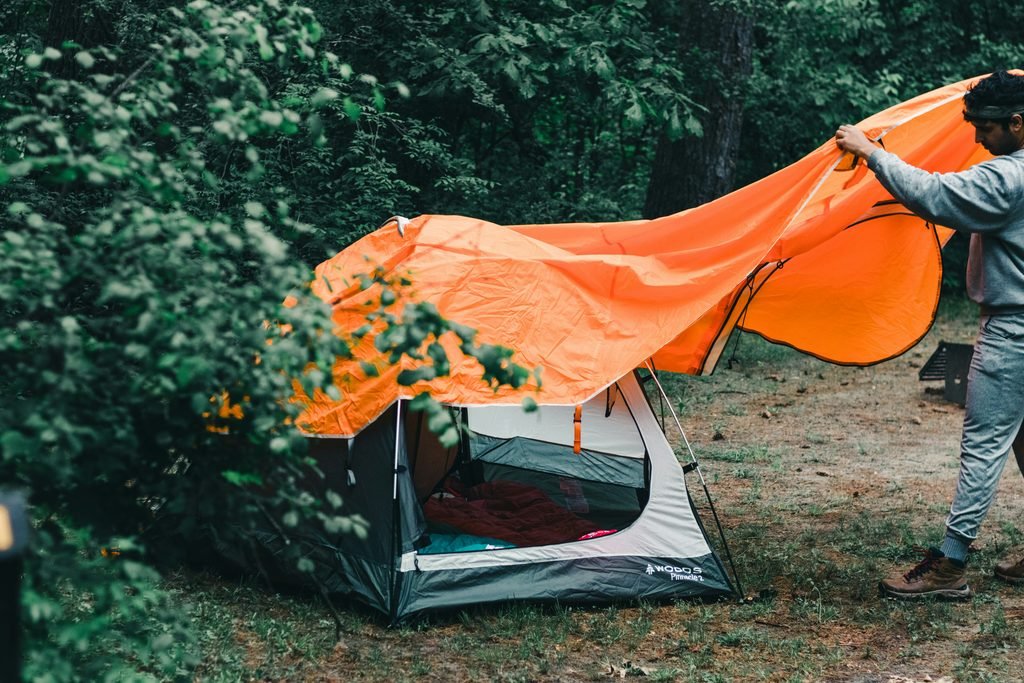
Before you pack a single sock, think about where you are sleeping. The campsite decides how much gear you need, and a family-friendly site can remove half your worries.
What to look for in a kid-friendly campsite
- Flush toilets and running water nearby. With small children, a short walk to a bathroom at night is a huge advantage.
- Flat, shaded ground. Kids sleep better on level ground, and shade keeps the tent from turning into an oven by mid-morning.
- A safe play area. Look for a site away from busy roads, steep drops, and fast water.
- Drive-up access. For your first few trips, being able to park next to your site means you can bring comfort items without carrying them.
- Short distance from home. A two-hour drive is plenty for a first trip. If it goes badly, you are close to your own bed.
Book early. Popular family campgrounds often fill up months ahead, especially in summer and on holiday weekends. State parks are often a great value and tend to be more relaxed than the biggest national parks.
[ADD YOUR OWN STORY HERE: one or two sentences about your own first family camping trip or the best campsite you have stayed at. Real details make the article feel human and trustworthy.]
Shelter and Sleep: The Foundation of a Good Trip
If your kids sleep well, everyone is happy. If they do not, nobody is. Put your budget and effort here first.
Tent
Choose a tent rated for at least one more person than you have. A family of four does well in a six-person tent because gear, bags, and rain-soaked shoes all need space.
- Tent with rainfly and footprint (a groundsheet that protects the floor)
- Extra stakes and a small mallet
- Guy lines for windy nights
- Small tarp for a dry spot outside the door
- A doormat or old towel to keep dirt out
Practise setting it up in the backyard or living room first. This single step saves more arguments than any other tip on this list. A tent that goes up easily in daylight is much less scary when the sun is setting, and a child is crying.
Sleeping bags and pads
Kids lose heat faster than adults, so warmth matters more than you expect.
- A sleeping bag for every person, rated a little colder than the night temperature you expect
- A sleeping pad or air mattress for each person (the ground pulls warmth from the body, and the pad is what stops it)
- A small pillow or a stuff sack filled with clothes
- A light blanket for warm nights
- A comfort item for each child, such as a favourite toy or blanket
If it drops toward freezing at night, add a fleece liner or an extra blanket, and dress children in dry base layers to sleep. Avoid wearing damp clothes inside a sleeping bag.
Camp furniture
- Folding camp chairs, including small ones for kids
- A folding table for cooking and meals
- A lantern for the table and a headlamp for each person
- A clothesline and a few pegs for towels and wet swimsuits
The Camp Kitchen Checklist
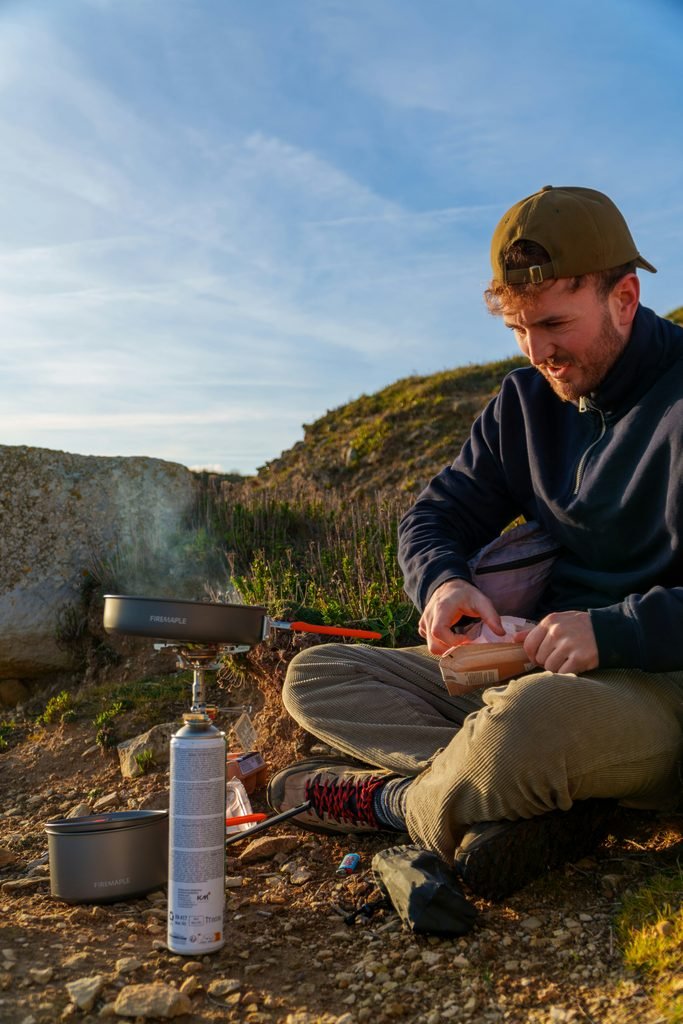
Food is where camping either becomes fun or exhausting. A simple, organised kitchen makes a big difference.
Cooking gear
- Two-burner camp stove and fuel (bring a spare canister)
- Lighter and matches in a waterproof bag
- One large pot, one frying pan and a kettle
- Cooking utensils: spatula, big spoon, tongs, can opener, sharp knife and a small cutting board
- Plates, bowls, cups and cutlery for each person (reusable ones are cheaper and greener)
- Insulated cooler with ice packs, plus a second small cooler for drinks so the main one stays closed
- Dish tub, biodegradable soap, sponge and a quick-dry towel
- Trash bags and a bag for recycling
- Aluminium foil, zip bags and paper towels
Kid-friendly camp meals
Keep it simple. Tired, dirty children do not want an ambitious menu.
- Breakfast: oatmeal packets, pancakes made from pre-mixed batter in a bottle, scrambled eggs and fruit
- Lunch: wraps, sandwiches, cheese, crackers, sliced vegetables and fruit
- Dinner: foil packet meals, hot dogs, chilli made ahead and reheated, pasta with a jarred sauce
- Snacks: trail mix (check for nut allergies), granola bars, popcorn, apple slices and peanut-free alternatives if needed
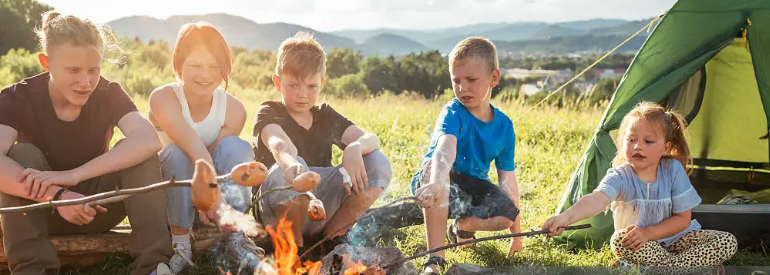
- Treats: s’mores are practically a rule
Prepare and chop as much as you can at home. Freeze a few meals in flat bags, and they will double as ice for your cooler on day one.
Water
Plan on roughly two to three litres per person per day for drinking, cooking and washing hands, more if it is hot. Carry a large water container to the campsite and a refillable bottle for each person. If you plan to filter water from a stream, bring a proper filter and check local advice first.
Clothing Checklist for Kids (and Why Layers Win)
Weather changes quickly outdoors. The safest approach is layers that you can add or remove.
For each child, pack:
- 1 outfit per day, plus 2 extras (kids find puddles and mud)
- Base layers: long-sleeve shirt and leggings for cool nights
- Warm layer: fleece or light jacket
- Waterproof rain jacket and, if possible, rain pants
- Warm hat and gloves if nights will be cold
- Sun hat and sunglasses
- Sturdy closed shoes, plus a spare pair
- Sandals or water shoes for the camp and the lake
- Warm socks (wool or synthetic, not cotton) and extras
- Swimsuit and quick-dry towel
- Pyjamas that are kept dry, just for sleeping
- Laundry bag for dirty clothes
A good rule: cotton feels comfortable when dry and awful when wet. Choose synthetic or wool where you can, especially for socks and base layers.
Health, Safety and First Aid
You do not need to be nervous, but you should be prepared. Our detailed guide on family travel safety tips outdoors goes deeper, and here is the essential checklist.
First-aid kit
- Adhesive bandages in different sizes, plus blister plasters
- Antiseptic wipes and antibiotic ointment
- Gauze, medical tape and a small elastic bandage
- Tweezers (for splinters and ticks)
- Child-appropriate pain and fever medicine (check doses with your doctor or pharmacist)
- Any personal prescriptions, allergy medicine, and, if needed, an epinephrine auto-injector
- Thermometer
- Insect-bite relief cream
- Emergency blanket and a whistle
- A printed list of emergency contacts
Sun, bugs and skin
- Broad-spectrum sunscreen (SPF 30 or higher) and lip balm
- Insect repellent suitable for children (read the label for age limits)
- Aloe or after-sun lotion
- A small mirror or headlamp for evening tick checks: check scalp, behind ears, underarms and behind knees every night in tick areas
Camp safety basics
- Explain the “stay where I can see you” rule on the first evening
- Give each child a whistle on a lanyard, and teach them to blow it only in an emergency (three blasts is the widely used distress signal)
- Mark the edges of your campsite visibly, and walk the boundaries together
- Keep the fire pit a safe distance from tents, never leave a fire unattended, and put it fully out with water before bed
- Store food properly, especially in bear country, in a locked vehicle or provided bear box
Lighting, Tools and Camp Extras
- Headlamp for every person (kids love their own) plus spare batteries
- Two lanterns: one for the table, one for the tent
- Multi-tool or camping knife (adult use)
- Duct tape, rope and cord for quick repairs
- Small shovel and toilet paper, in case you need to dig a cathole
- Power bank for phones
- Paper map or offline map, because mobile signal can vanish in the woods
- Small broom and dustpan for the tent
- Camp firewood, bought locally, since moving firewood can spread pests
Keeping Kids Happy at the Campsite
Boredom is the real enemy of family camping, but good news: kids need very little.
- Scavenger hunt list (pinecone, feather, something red, three different leaves)
- Nature journal and coloured pencils
- Binoculars, magnifying glass or a bug-viewing jar
- Deck of cards and a couple of small board games
- A ball, frisbee or kite
- Glow sticks for evening games
- Books and a small torch for bedtime reading
- Junior Ranger booklets, free at many national parks and a lovely way to learn about a place
- A stargazing app or star chart for clear nights
Involve children in real jobs, too. Let them gather kindling, help set the table, or be in charge of the marshmallows. Kids who feel useful complain less.
Extra Items for Babies and Toddlers
If you are camping with little ones, add:
- Portable travel cot or a baby-safe sleeping setup, checked against the manufacturer’s safety guidelines
- Enough nappies (diapers) for the whole trip plus extras, and a way to carry used ones out
- Wipes, changing mat and barrier cream
- Formula or baby food, bottles and a safe way to sterilise them
- A baby carrier for walks
- Warm sleepwear and a sleep sack suitable for the temperature
- Sun-protective clothing and a wide-brim hat
- White noise machine or a phone app to help with sleep
Toddlers are curious and fast. A pop-up play tent or a playpen gives you a safe zone for cooking and setting up.
A Smarter Way to Pack
- Use clear plastic bins with labels: Kitchen, Bedding, Clothes, Toys, Safety, and Food.
- Keep a dedicated “camp kit” that lives in the garage, so you only add food and clothes before each trip.
- Pack in reverse order. Whatever you need first at camp (tent, headlamp, kettle) should go in last.
- Create a “first night bag” with pyjamas, toothbrushes, snacks and a lantern, so you are not searching bins in the dark.
- Weigh the season. You will pack a lot less for summer than for spring or autumn.
If you are planning a longer route, you can combine camping with a road trip. Our guide to budget-friendly family road trip ideas in the U.S. shows you how to make the drive part of the adventure, and our list of the best travel gear for traveling with kids will help you decide what is worth buying and what is fine to borrow.
Campsite Routine: Set Up, Live, Pack Down
A simple routine keeps everything calm.
Arrival
- Walk the site and check for hazards such as sharp rocks, ant nests,s and low branches.
- Set up the tent first, while everyone has energy.
- Set up the kitchen and store food.
- Let kids explore the boundaries with you.
Daily rhythm
- Morning: breakfast, pack the day bag, water bottles filled
- Midday: hike, swim, swim, swim, or play; rest is essential for younger children
- Late afternoon: gather firewood, start dinner early
- Evening: campfire, stories, a warm drink, teeth brushed before dark
- Bedtime: consistent routine, headlamps off, everyone to bed in warm layers
Pack down
- Do a last walk around the site.
- Pack the trash out.
- Let tents dry before storing them, or dry them at home to avoid mould.
- Restock your camp kit right away so you are ready for next time.
Common Family Camping Mistakes (and How to Avoid Them)
- Overpacking. More stuff means more to lose. Stick to the checklist.
- Skipping the practice run. Try the tent and the stove at home.
- Ignoring the weather forecast. Check it right before you leave and pack for the worst case.
- Cold sleepers. Add insulation under your kids. Extra pads are worth it.
- Too ambitious a plan. One or two activities a day is enough.
- Forgetting to pack patience. Things will get muddy, wet, or delayed. Laughing is part of the plan.
Frequently Asked Questions
What age can you start camping with kids?
Many families camp with babies from just a few months old, provided they stay warm, safe and comfortable. If you are nervous, try a campsite with a cabin, a “glamping” tent or a backyard trial. Talk to your paediatrician for personalised advice for very young infants.
How many nights should a first family camping trip be?
One or two nights. It is long enough to feel like an adventure and short enough to survive if things go wrong.
How much does family camping cost?
It depends on your gear and where you camp. Camping is usually cheaper than hotels once you own the basics, and you can borrow or rent gear for your first trips. Campsite fees vary by state and season, so check the park website.
What should I do if it rains?
Bring a big tarp for a dry cooking and hangout space, plan indoor-style games (cards, books, colouring), and keep a change of dry clothes ready. Rain can actually make camp memories more fun.
What is the best season for family camping?
Late spring and early autumn are often the most comfortable, with mild temperatures and fewer bugs. Summer is popular, but it can be hot and crowded, so book early.
Do kids need special camping shoes?
They need sturdy, comfortable, closed shoes for walking and water shoes or sandals for camp and water. Break new shoes in at home first to avoid blisters.
Final Thoughts
You do not need the most expensive tent or a perfect plan. A good family camping checklist, a flexible mindset, and a bit of humour will carry you through almost any trip. Start small, pack smart, and let the kids lead some of the fun.
When you are ready to plan the next chapter, browse our guide to the best national parks for families with young kids, or look at how to plan a family hiking trip for day adventures you can add to your campsite.
Pingback: Plan a Family Vacation on a Budget: 12 Steps to Save
Pingback: How to Pack Light for a Family Trip: Smart Tips That Work