Backpacking in bear country is one of the best ways to see wild places: quiet forests, alpine lakes, and ridgelines far from any road. It also means sharing that landscape with animals that have an extraordinary sense of smell and a strong interest in calories.
The good news is that bear country is very manageable with the right habits. Almost every problem between bears and backpackers starts with one thing: food, garbage, or scented items that were not stored properly. Get that right, and most of the risk goes away.
This guide covers how to store food, how to choose between a bear canister and a bear bag, how to pack a canister, how to set up camp, how to cook and clean up, and the mistakes even experienced hikers make.
Quick answer: Store all food, garbage, and scented items in the method your destination requires (often a certified bear canister). Cook and store food away from where you sleep, and never keep food in your tent. Always check current local regulations before you go.
Key Takeaways
- Rules differ by park and forest, so always check them before you go.
- Food, trash, and toiletries all count as “scented items.”
- A certified bear canister is the most widely accepted storage method.
- Keep your cooking, food storage, and sleeping areas separated.
- Never keep food in your tent or a regular backpack.
- A clean camp is your best protection, because smell is what attracts bears.
What Does “Bear Country” Mean?
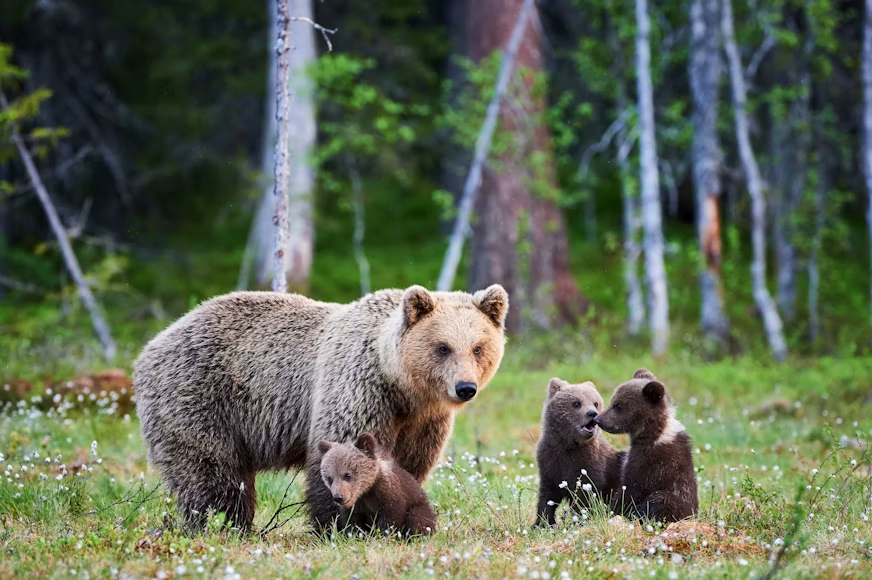
Bear country is any area where wild bears live. In North America that usually means black bears (found in most forested regions) and grizzly/brown bears (found in places like Alaska, western Canada, Yellowstone, Glacier, and the northern Rockies).
Being in bear country doesn’t mean you’ll see a bear. Most hikers never do. But bears investigate smells, so what you carry and how you store it matters more than how often you spot wildlife.
Why Food Storage Matters When Backpacking in Bear Country
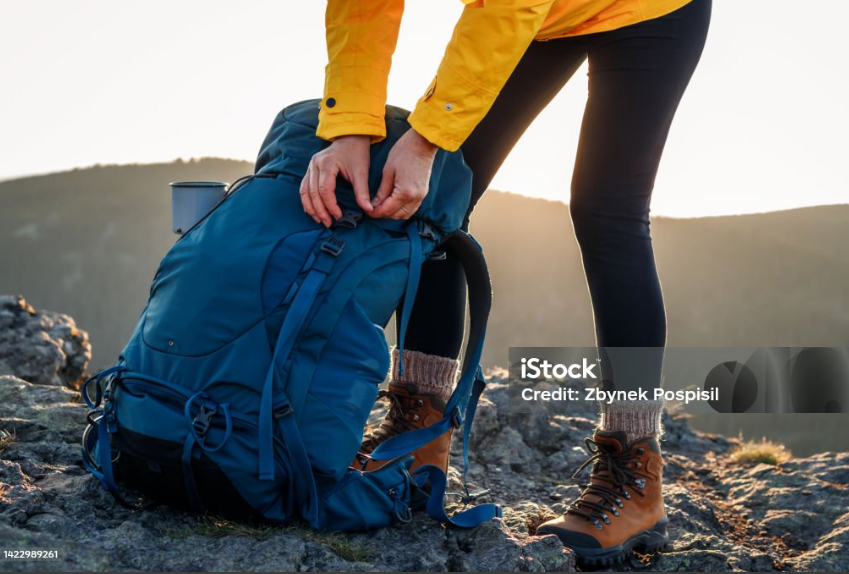
A bear’s sense of smell is far stronger than a human’s, and bears can detect food from a long distance. Good food storage matters for four reasons.
Safety. A bear that learns that people equal food can lose its natural caution and become bolder around campsites. That is a danger to everyone who camps there next.
The bear’s survival. Wildlife managers often have to relocate or euthanize bears that become used to human food. The saying “a fed bear is a dead bear” exists for a reason.
Your trip. A bear (or a raccoon, marmot, or mouse) can destroy your pack and tent and steal a week of food, leaving you to hike out hungry.
The law. In many areas, improper food storage carries fines, and rules are enforced.
What Is a Bear Canister?
A bear canister is a hard-sided, lockable container designed so a bear can’t open, crush, or carry it away. Most are made from polycarbonate or carbon fiber, with lids that need a coin, screwdriver, or special latch to open.
Many parks require canisters that have passed testing by the Interagency Grizzly Bear Committee (IGBC) or a similar certification. Always check which models your destination accepts.
Typical specs (they vary by model):
- Weight: roughly 2 to 3 lb (about 1 to 1.4 kg) for common hiking models, less for carbon fiber
- Capacity: often 700 to 1,000+ cubic inches for one hiker, enough for about 4 to 7 days depending on your food
What to Expect From Your First Canister
If you have never carried one, expect three things. It feels heavy and awkward at first. It takes up a large part of your pack. And the lid takes a little practice, so open and close it a few times at home before the trip.
A canister also has a useful side. Many hikers use it as a camp seat or a stable surface for the stove, as long as the lid is closed and it is not on uneven ground. Always check your model’s instructions first.
Do You Need a Bear Canister?
It depends entirely on where you’re hiking. Some areas require certified canisters, some allow approved hanging systems or bear-resistant bags, and some provide metal food lockers at campsites. Rules can also change with the season or local bear activity.
Before every trip, check:
- The official park, forest, or wilderness-area website
- Whether canisters are mandatory, and which models are approved
- Whether bear-resistant bags or hanging are permitted
- Whether campsites have food lockers
- Rules about garbage and scented items
- Current closures and bear-activity alerts
Never assume last year’s rules apply to this year’s trip.
What Goes Inside a Bear Canister?
Anything with a smell. Many people think “food only,” but scented items count too:
- All meals, snacks, and energy bars
- Drink mixes and electrolyte tablets
- Cooking oil, spices, and condiments
- Trash and used wrappers (food odor lingers)
- Toothpaste
- Lip balm and sunscreen
- Deodorant, soap, and scented lotion
- Pet food and treats
Unopened food still smells. When in doubt, follow the local rule, or store it.
How to Pack a Bear Canister Efficiently
Space runs out fast. These steps help:
- Repackage at home. Remove cardboard boxes and bulky outer packaging. Use zip bags for individual meals.
- Choose dense, compact food. Dehydrated meals, tortillas, nut butters, and bars pack better than fluffy or crushable snacks.
- Fill the gaps. Pack tightly and use small items to fill empty corners.
- Plan by day. Group each day’s food so you don’t unpack everything for one snack.
- Eat bulky food first. Your canister gets roomier each day.
- Keep a snack bag accessible during the day, but secure it at night.
- Test-pack before leaving. Loading your whole food plan at home prevents trailhead surprises.
Pro tip: Pack the canister upright in the middle of your backpack, close to your back, with soft gear around it so the hard edges don’t dig into you.
Simple Packing Plan for Multi-Day Trips
Write your meals down before you pack. A simple layout looks like this:
- Day 1: breakfast, lunch, dinner, snacks
- Day 2: breakfast, lunch, dinner, snacks
- Continue for every day, then add one extra snack bag and a small emergency reserve.
Put the food for the last days at the bottom and the first days on top, so you can reach what you need without emptying the whole canister. If everything doesn’t fit during your test pack, cut packaging first, then swap bulky foods for denser ones, before you consider removing meals.
Bear Canister vs. Bear Bag vs. Hanging: Which Should You Use?
| Method | Pros | Cons | Best for |
| Hard-sided canister | Very secure, simple, no trees needed, often required | Heavy, bulky, costs more | Areas that mandate canisters, above treeline |
| Bear-resistant bag | Lighter, flexible shape | Contents can be crushed; often must be tied to a tree; only where approved | Areas that permit them |
| Bear hang | No extra gear beyond rope and bag | Needs suitable trees and skill; often prohibited | Areas where hanging is explicitly allowed |
| Food locker / bear box | No carrying, very secure | Only at certain campsites | Established campgrounds and some backcountry sites |
Bottom line: the best bear-resistant food storage is the one that is legal, appropriate for the local bears, and realistic for your route. Above treeline, for example, there may be no tree to hang from at all.
Setting Up Camp: The Triangle Method
A widely recommended approach is to keep three areas apart, forming a triangle:
- Sleeping area
- Cooking and eating area
- Food storage area
A common guideline is about 200 feet (roughly 70 adult steps) between each point, and some parks recommend even more, up to 100 yards. Follow the distance your destination specifies.
Try to keep the cooking spot downwind of your tent. Place your canister on flat, stable ground away from cliffs, water, and steep slopes, because a rolling canister can end up in a stream or down a gully. Marking it with bright tape helps you find it at night.
Follow campsite-specific rules first. Designated sites with lockers or set layouts override general advice.
Never Keep Food in Your Tent
Your tent is for sleeping. Don’t keep snacks, toothpaste, or trash inside it, and don’t cook in or next to the door. Bears and smaller animals do investigate tents when food smells are nearby, and thin nylon offers no protection.
Cooking and Cleanup in Bear Country
A simple, repeatable routine makes bear-country cooking almost automatic.
1. Pick the kitchen before you pitch the tent. Choose a cooking spot well away from where you’ll sleep, downwind of your tent if possible. Doing this first stops you from cooking right next to your bed when you are tired.
2. Cook only what you can finish. Leftovers are the biggest source of smelly waste. Measure portions at home, and if a few bites are left, eat them rather than dumping them.
3. Clean pots right away. Don’t let food dry on the pot. Scrape it out, add a little water, and wipe it with a cloth. Strain the dishwater through a mesh strainer or bandana, pack out the food bits, and scatter the strained water widely, following local Leave No Trace guidance.
4. Wipe everything down. Stove, spoon, mug, and pot lid all hold food smell. A quick wipe takes one minute.
5. Do a sweep before dark. Walk the kitchen area and check for crumbs, wrappers, and spills. Check your pockets and tent vestibule too.
6. Lock it all up. Food, trash, toiletries, and even the cleaning cloth go into your canister or approved storage, according to local rules. If you spilled dinner on your clothes, change before bed.
7. Repeat the same steps every night. A fixed routine means you are less likely to forget something after a long hiking day.
Garbage, Wrappers, and Toiletries
- Treat all trash as a scented item, since wrappers hold food odor.
- Pack out everything, including micro-trash and food scraps.
- Check pockets, hip-belt pouches, and tent vestibules for forgotten snacks.
- Don’t bury trash or burn food waste in fires.
- Store toiletries with the same care as food.
Bear Spray and What to Do If You See a Bear
Many park agencies recommend bear spray in grizzly country. If you carry it:
- Keep it on your hip belt or chest strap, not buried in your pack
- Learn how to remove the safety clip
- Check the expiration date and travel restrictions (it cannot go on planes)
- Practice with an inert training can if possible
If you see a bear, the right response depends on the species, distance, and behavior. General principles:
- Stay calm and don’t run
- Give the bear space and never approach for photos
- Back away slowly while speaking calmly
- Never feed a bear or leave food as a distraction
- Make noise on trail in thick brush or near streams so you don’t surprise one
Black-bear and grizzly advice differs in some details, so read the official guidance for your area.
How to Prepare Before You Go
Good preparation beats good luck. Before your trip, read the ranger advisories and recent bear-activity reports for your route, learn the difference between black bear and grizzly guidance, and practice taking your bear spray out quickly. On trail, talk or call out regularly in dense brush, near loud streams, and on blind corners. Hiking in a group also makes you easier for wildlife to notice and avoid.
Bear-Safe Backpacking Checklist
Before the trip
- [ ] Check current regulations and bear-activity alerts
- [ ] Confirm whether canisters are required and which are approved
- [ ] Borrow, rent, or buy a legal canister
- [ ] Plan meals and repackage food
- [ ] Do a test pack
- [ ] Pack bear spray if recommended
At camp
- [ ] Choose a site with space for the triangle layout
- [ ] Cook and eat away from your tent
- [ ] Clean up immediately
- [ ] Lock all food, trash, and toiletries in your canister or approved system
- [ ] Place the canister on level ground away from water and drops
- [ ] Keep your tent free of anything scented
Before leaving camp
- [ ] Sweep the site for scraps and trash
- [ ] Check stoves, pots, and pockets
- [ ] Leave no trace
Common Bear Country Food Storage Mistakes
- Snacks in the tent. Even one granola bar matters.
- Forgetting toiletries. Toothpaste and lip balm are classic misses.
- Leaving the lid unlatched. A canister only works when closed correctly.
- Placing the canister near water or a slope. It can roll away.
- Using an unapproved container. Some areas reject non-certified canisters.
- Hanging food poorly. Branches too low or too thin won’t protect it.
- Leaving dirty pots out overnight.
- Assuming all parks share the same rules.
- Relying on a normal pack or cooler. Neither is bear-resistant.
- Ignoring trailhead vehicle-storage rules. Check local guidance.
How Much Food Should You Carry?
Calorie needs vary with your body, pace, and terrain. Many backpackers plan roughly 1.5 to 2.5 lb (0.7 to 1.1 kg) of food per day, but use your own experience as a guide.
A simple planning structure:
- Breakfast
- Trail snacks
- Lunch
- Dinner
- Extra snack buffer
- A small emergency reserve
If your canister is too small, you may need a shorter trip between resupplies, denser foods, or a second canister.
Best Foods for Backpacking in Bear Country
- Dehydrated and freeze-dried meals
- Oatmeal and instant grits
- Rice, couscous, and instant pasta
- Tortillas, which pack flatter than bread
- Nut butter packets
- Nuts, trail mix, and dried fruit
- Jerky
- Energy bars and chews
- Instant soups and drink mixes
Choose foods that are compact, calorie-dense, easy to cook, and simple to seal in a canister.
Sample One-Day Menu
- Breakfast: instant oatmeal with nuts and dried fruit
- Snacks: trail mix, two energy bars, jerky
- Lunch: tortilla with nut butter
- Dinner: dehydrated meal or rice with instant soup
- Drink: electrolyte mix
Repeat with small variations so you don’t get bored, and pack each day’s food in its own zip bag.
Final Thoughts
Backpacking in bear country doesn’t need to be stressful. It needs habits: know the local rules, use an approved storage method, keep food and scented items away from where you sleep, clean up as you go, and pack out every scrap.
Do that consistently and you protect yourself, other campers, and the bears. Before each trip, check the rules for your exact destination, because they change.
Frequently Asked Questions
Do I need a bear canister for backpacking in bear country?
Not everywhere. Some areas require certified canisters, while others allow bear-resistant bags, hanging, or lockers. Check the current rules for your specific trail.
What should I put in a bear canister?
Food, snacks, drink mixes, cooking oils, trash, and scented toiletries like toothpaste, lip balm, and deodorant.
Is a bear canister better than a bear bag?
Neither is universally better. Canisters are more secure and often required. Bear-resistant bags can be lighter where permitted.
How far should I keep food from my tent?
A common guideline is about 200 feet (roughly 70 adult steps), but follow local rules, which may require more.
Can I keep food in my backpack or tent at night?
No. A regular pack or tent is not bear-resistant. Store food as your destination requires.
Should toothpaste go in a bear canister?
In most bear-country guidance, yes, along with other scented items.
How many days of food fit in a bear canister?
It depends on capacity and packing. Many single-person canisters hold about 4 to 7 days of food.
Can I cook near my tent?
It’s best to cook well away from where you sleep, using designated cooking areas when they exist.
Is backpacking in bear country safe?
Yes, for people who follow local regulations, store food properly, and respect wildlife. Serious incidents are rare, and most are preventable.
What if a bear approaches my camp?
Stay calm, don’t run, make yourself known, back away slowly, and follow official guidance for that species and location. Report the encounter to rangers.