Rain is the weather every camper secretly fears. A wet tent, soggy shoes, muddy kids,s and a cold dinner can turn a trip sour quickly. But rain does not have to ruin camping. With the right preparation, camping in the rain with kids can be cozy, funny,y and even one of the best parts of the trip. The kids will remember splashing in puddles and playing cards in the tent long after they forget the sunny days.
This guide covers how to prepare for rain before you go, how to set up a campsite that stays dry, how to keep kids warm and comfortable, what to cook, how to stay safe,fe and how to keep everyone entertained. If you are new to camping, start with our first-time family camping guide, and keep our family camping checklist handy.
Quick answer: how do you camp in the rain with kids? Pitch your tent on high, flat ground with a full rainfly, set up a tarp for a dry living area, keep wet and dry clothes separate, wear waterproof layers and avoid cotton, cook under cover with a stove (never inside the tent), bring games and snacks, and always check the weather and watch for lightning and flooding.
Is Camping in the Rain Safe for Kids?
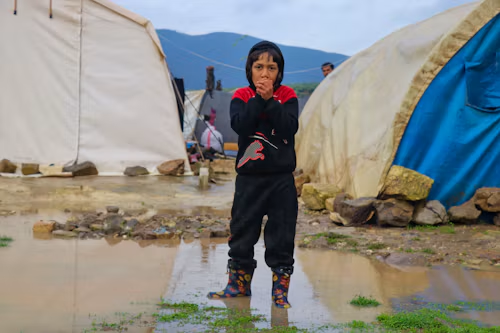
Light to moderate rain is usually fine when you are prepared. The real risks come from what travels with the rain:
- Cold and wet: kids lose body heat faster than adults, and wet clothes make it worse.
- Lightning: thunderstorms are dangerous in open areas and under tall trees.
- Flooding: heavy rain can flood low campsites and rivers quickly.
- Slippery ground: mud, wet roots, and boardwalks are slick.
- Falling branches: wet, windy weather can bring down limbs.
Always check the forecast and alerts before and during your trip. The National Weather Service provides detailed forecasts and warnings. If conditions turn dangerous, leave the campsite and go to a safer place. Safety is more important than finishing the trip.
Before You Go: Prepare for Rain
Check the forecast and have a backup plan
- Check the forecast a few days before and again the day you leave.
- Know the hourly chance of rain, expected wind, temperature, and any thunderstorm risk.
- Have a plan B, such as a nearby hotel, a cabin,n or driving home.
- Tell someone your campsite and return time.
Make sure your tent can handle rain
- A full rainfly, sealed seams, and a bathtub-style floor help keep water out. See our guide on how to choose a family tent and what to look for.
- Waterproof the tent with seam sealer or a waterproofing spray if needed, and test the setup at home first.
- Practice a rainy setup in your yard. Our guide to backyard camping with kids is a safe place to test your tent.
Choose a good campsite
Where you pitch matters more than the tent.
- Pick high, well-drained ground. Avoid dips, dry creek beds, and areas where water pools.
- Stay away from rivers and flood zones, especially if heavy rain is forecast.
- Avoid camping under dead or leaning trees. Branches can fall in wet, windy weather.
- Avoid open fields and exposed ridges during thunderstorms.
- Look for natural shelter, such as trees that block wind (but not dead ones).
- Check campground rules and flood warnings on the official page or at Recreation.gov.
Pack the Right Gear for Camping in the Rain
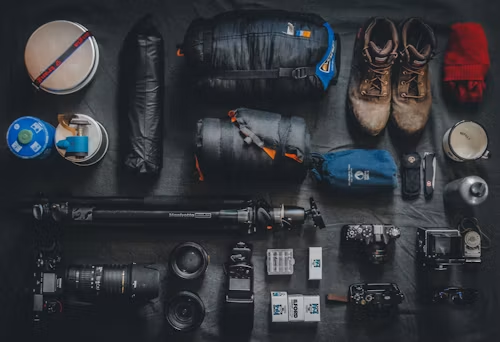
Our family camping checklist covers the basics. These items matter more in wet weather.
Shelter and ground
- Tarps (one large for a living area, one for under the tent or a smaller one)
- Rope or cord, extra stakes and guy lines
- Footprint or groundsheet, slightly smaller than the tent floor
- Tent seam sealer and repair tape
- A doormat or small tarp for the tent entrance
- Camp towels or a small mop to wipe water from the floor
Clothing
- Waterproof jackets and rain pants for everyone
- Base layers, fleece and warm clothes (avoid cotton)
- Plenty of socks (more than you think)
- Waterproof or quick-dry shoes, and a spare pair
- Hats and gloves
- Dry clothes for sleeping, stored in a waterproof bag
- Extra clothes for kids, since they love puddles
Food and cooking
- A stove and fuel, with a windscreen
- A lighter and waterproof matches
- No-cook meals and snacks for easy rainy meals
- A thermos for hot drinks
Comfort and safety
- Lanterns and headlamps for gray days
- Dry bags or heavy-duty trash bags for gear
- Plastic bins with lids
- Clothesline and pegs to hang wet items
- First-aid kit
- Games, cards, books and craft supplies
Our guide to the best travel gear for kids explains what is worth buying or borrowing.
Step 1: Set Up Your Tent in the Rain
Setting up in the rain is easier if you plan.
- Pitch the tent quickly, with the rainfly on early to keep the inside dry.
- Lay the footprint inside the edges of the tent floor, not sticking out, so rain does not run under the tent.
- Pull the rainfly taut and keep it from touching the inner tent walls, which causes drips.
- Stake out guy lines to keep the fly tight in wind.
- Open vents and mesh windows under the fly for airflow, which reduces condensation.
- Keep the door facing away from the wind if you can.
- Set up a vestibule or mat for shoes and wet gear.
Keep the tent dry inside
- Take off wet shoes and jackets at the door.
- Store wet gear in the vestibule or under the tarp.
- Keep sleeping bags and dry clothes in waterproof bags until bedtime.
- Open the tent door briefly to air it out when the rain stops.
Step 2: Set Up a Tarp for a Dry Living Area
A tarp is the secret weapon of rainy camping. It gives you a dry place to cook, play, and sit.
- Choose a spot near the tent but away from the fire area and any low spots.
- Tie the corners to trees, poles,s or stakes, with one side higher than the other, so water runs off.
- Make it slope. Pooling water can collapse a tarp.
- Keep it tight and secure against wind.
- Leave open sides for ventilation if you are using a stove under it (see safety below).
- Place chairs, a table, and a play area under the tarp.
A big tarp over a picnic table creates a cozy kitchen and a rainy day clubhouse.
Step 3: Keep Kids Warm and Dry
- Dress in layers. A moisture-wicking base layer, a fleece, and a waterproof outer layer.
- Avoid cotton. It holds water and chills kids quickly. Our guide to hiking in the rain with kids explains why wool and synthetics work better.
- Keep dry clothes for sleeping, and never sleep in wet clothing.
- Change out of wet clothes as soon as possible, especially socks.
- Dry feet matter most. Pack extra socks and keep a spare pair for each child in a dry bag.
- Offer warm drinks and snacks often.
- Check for signs of cold: shivering, quiet or sleepy behavior, clumsiness,s and pale skin. If you see them, get the child dry and warm, wrap them in blankets, ts and give a warm drink. The American Academy of Pediatrics’ HealthyChildren.org has guidance on keeping children warm and safe.
- Warm up before bed with a hot drink, a warm snack, ack and dry clothes.
Step 4: Cooking and Eating in the Rain
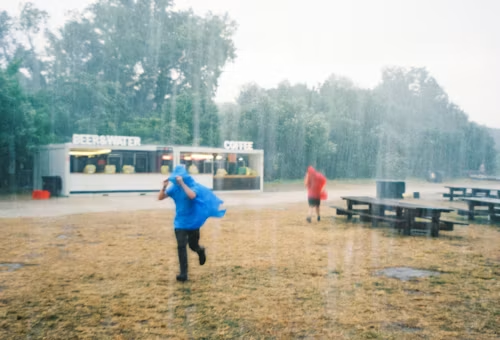
Cooking in rain takes planning, but it is doable.
- Cook under the tarp, with the stove placed on a stable surface and plenty of open sides for airflow.
- Never cook inside a tent or in a closed vestibule. Stoves can start fires and produce deadly carbon monoxide. The CDC explains carbon monoxide safety.
- Use a windscreen to keep the flame steady.
- Keep fuel away from flames and out of the tent.
- Plan simple meals. One-pot pasta, soup, quesadillas, hot dogs, and foil-free meals are easy.
- Have no-cook backups like sandwiches, wraps, snack plates, and cereal.
- Keep food covered and dry, and store it in a vehicle or secure container.
For recipes and a full plan, see our guide to easy camping meals for kids.
Campfires in the rain
Wet weather makes fires harder and sometimes unsafe. Check fire rules first. If fires are allowed, keep them small, use dry wood stored under a tarp,p and stay at a safe distance. Never use accelerants. Our guide to campfire safety for kids explains how to stay safe, and you can skip the fire entirely and use a stove and lantern instead.
Step 5: Fun Rainy Day Camping Activities
Rain is a chance for different fun. Mix cozy games with a bit of puddle play.
Under the tarp or in the tent
- Card games and board games
- Camping bingo, I Spy, py and 20 Questions
- Story chain and campfire-style stories with flashlights
- Shadow puppets on the tent wall
- Coloring books, crafts and paper plate projects
- Nature journal with drawings of the day
- Reading aloud from a favorite book
- Cooking together under the tarp
Outside in the rain (with the right gear)
- Puddle jumping in rain boots, in safe areas away from deep water
- Mud kitchen: let kids make “pies” from mud and leaves
- Leaf boats raced down a small, safe channel of rainwater
- Worm and bug hunts, looking for creatures that come out in the rain
- Short rain walks on easy trails, with waterproof gear
For lots of ideas, see our guide to camping games for kids, which includes tent and rainy-day games.
Step 6: Bedtime in a Rainy Tent
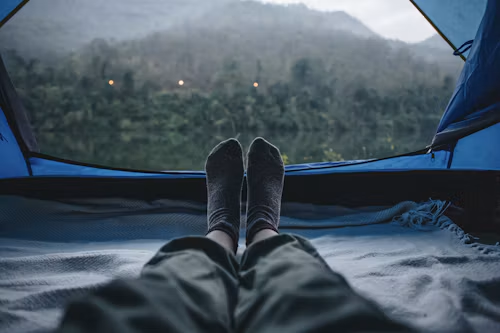
Sleeping in rain can be soothing, but a few habits help.
- Check for leaks before dark and fix them if you can.
- Use sleeping pads to keep kids off wet ground.
- Use dry clothes and sleeping bags, with extra blankets for warmth.
- Keep the tent ventilated to reduce condensation.
- Use a white noise app or earplugs if rain noise bothers anyone.
- Keep flashlights handy for night bathroom trips, and have a rain jacket by the door.
- Reassure kids about thunder. Explain that you are safe and use a night light or flashlight to ease fear.
- Keep babies and toddlers warm and dry, following safe-sleep guidance. Our guide to camping with toddlers has more tips.
Safety: Lightning, Flooding and Wind
Lightning
- If you hear thunder, the storm is close enough to be dangerous.
- Move to a hard-topped vehicle or a sturdy building if you can. A tent does not protect you from lightning.
- Stay away from open fields, ridges, isolated trees, and water.
- Wait about 30 minutes after the last thunder before returning to normal activities.
Flooding and flash floods
- Do not camp in low areas, near streams,s or in dry washes when heavy rain is possible.
- If water starts rising, move to higher ground immediately. Do not wait.
- Never walk or drive through flooded roads. The National Weather Service slogan is “Turn Around, Don’t Drown.”
Wind and falling branches
- Avoid camping under dead trees or large branches.
- Secure the tent, tarp, and guy lines.
- Move to a safer spot or leave if winds become strong.
Hypothermia
Cold, wet conditions can cause hypothermia even above freezing. Watch for shivering that gets worse or stops, confusion, clumsiness, slurred speech, and unusual sleepiness. Get the person out of the wind, into dry clothes,s and wrapped in blankets, and seek medical help if symptoms are serious.
For more outdoor safety, read our family travel safety tips.
Dealing With Wet Gear
- Hang wet clothes under the tarp or inside the tent vestibule, but do not hang them where they will drip on dry gear.
- Rotate gear. Wear dry clothes, and let wet ones dry when possible.
- Wring out socks and dry them near body heat (inside your jacket) if no sun is available.
- Store wet items in a separate bag.
- Do not put wet gear in your sleeping bag.
After the trip
- Dry everything completely before storing. Damp tents, sleeping bags, gear, and clothes grow mold and smell.
- Set up the tent at home or hang it to dry for a day.
- Wash and dry sleeping bags and gear as the labels instruct.
- Check seams and zippers, and repair them before next time.
Leave No Trace in Wet Weather
- Walk through mud on trails, rather than around it, to avoid widening the trail.
- Stay on durable surfaces, and avoid trampling vegetation.
- Pack out all trash.
- Do not dig trenches around your tent. They damage the ground. Choose a better site instead.
The Leave No Trace Center offers guidance for camping responsibly in all weather.
Sample Rainy Day at Camp
| Time | What happens |
|---|---|
| 8:00 | Slow breakfast under the tarp, with hot drinks |
| 9:00 | Cards, crafts or story time while the rain passes |
| 10:30 | Rain jackets on, short walk or puddle time |
| 12:00 | Easy lunch (sandwiches or soup) |
| 1:00 | Quiet time or nap, dry clothes |
| 2:30 | Tarp games or a nature journal |
| 5:00 | Cook dinner under the tarp |
| 7:00 | Warm drinks, stories and flashlight shadow puppets |
| 8:00 | Dry pajamas and bedtime |
Common Mistakes When Camping in the Rain
- Pitching in a low spot. Water collects there.
- Skipping the tarp. It makes a big difference.
- Wearing cotton. It stays wet.
- Forgetting extra socks and dry clothes.
- Cooking inside the tent. It is dangerous.
- Letting the rainfly touch the inner tent. It causes leaks.
- Not checking the forecast. Stay alert for storms.
- Leaving wet gear packed. It molds.
- Having no plan B.
Frequently Asked Questions
Can you camp in the rain with kids?
Yes, if you are prepared. Use a waterproof tent and tarp, keep clothes and sleeping gear dry, bring warm layers and games, and avoid thunderstorms and flood-prone areas.
How do you keep a tent dry when camping in the rain?
Pitch on high ground with a full rainfly pulled tight, use a footprint slightly smaller than the floor, keep wet gear in the vestibule or under a tarp, arp and ventilate to reduce condensation.
What do you do with kids during rainy camping days?
Play cards, I Spy, bingo and story games, do crafts, keep a nature journal, cook together under the tarp and head out for short puddle walks in rain gear. See our guide to camping games for kids.
How do you cook when camping in the rain?
Use a stove under a tarp with good ventilation, and have no-cook backups. Never cook inside a tent or closed vestibule.
Is it safe to camp in a thunderstorm?
No. A tent does not protect you from lightning. If thunder is nearby, move to a hard-topped vehicle or a sturdy building, and wait 30 minutes after the last thunder before resuming normal activities.
How do you keep kids warm in a wet tent?
Dress them in dry layers, use sleeping pads and warm bags, avoid cotton, offer warm drinks, and keep them dry. Change wet clothes right away.
How do you dry out gear after camping in the rain?
Hang everything to dry at home before storing it, and wash and dry sleeping bags as directed. Do not store damp gear, since mold and smell develop quickly.
Final Thoughts
Rain does not have to end a camping trip. With a good tent, a big tarp, dry layers, and a few games, a wet day can become memorable. Pead, keep safety first, and treat puddles as part of the adventure. Often the stories kids tell years later are about the rainy trip.
Ready for more? Read our guide to how to choose a family tent, try a backyard campout as practice, or browse the best family vacations in the U.S. for destinations with great campgrounds.
Pingback: How to Choose Rain Gear for Kids: A Simple Buying Guide