Camping food has a reputation problem. Many parents picture soggy hot dogs, burnt toast,t and kids who refuse to eat anything. But with a little planning, camp meals can be simple, tasty, ty and even fun. The best camping food is easy to cook, familiar enough for kids to eat, and safe to store without a refrigerator.
This guide gives you a full set of easy camping meals for kids: breakfast, lunch, dinner, snacks and treats, plus no-cook options, foil packet recipes, a two-day meal plan, a packing list for your camp kitchen, and food safety basics. If you are new to camping, start with our first-time family camping guide, and use our family camping checklist to pack the rest of your gear.
Quick answer: what are good camping meals for kids? Keep it simple: oatmeal or pancakes for breakfast, sandwiches or wraps for lunch, hot dogs, pasta or foil packets for dinner, and snacks like fruit, cheese and trail mix. Prepare as much as you can at home, keep cold food at 40°F or below, and bring foods your kids already like.
Camp Cooking Basics
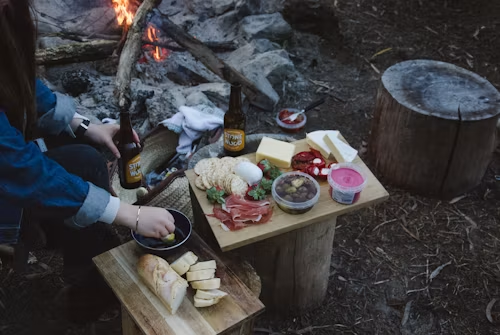
Plan before you pack.
- Make a menu. Write down every meal and snack for each day, then shop from the list.
- Cook or chop at home. Pre-chopped vegetables, pre-mixed batter, and pre-cooked foods save time and mess at camp.
- Choose foods that keep well. Hard cheeses, tortillas, apples, carrots, and nut butters (check allergies) last longer than soft or delicate items.
- Freeze some items. Frozen meals and meats double as ice in your cooler, and thaw as the trip goes on.
- Pack extra snacks. Hungry kids and campfire smoke are a tough combination.
Cooking methods
- Camp stove: the easiest and most reliable. Great for breakfast, pasta, tater tots, and boiling water.
- Campfire: fun for hot dogs, foil packets,ets and s’mores, but check for fire restrictions. Keep kids at a safe distance and never leave a fire unattended.
- No-cook: perfect for lunches, hot days, or windy, rainy conditions.
- Grill or portable griddle: useful for pancakes, burgers, and quesadillas.
Always use stoves outside the tent. Never cook or use heaters or grills inside tents, because of the risk of fire and carbon monoxide.
Easy Camping Breakfasts Kids Love
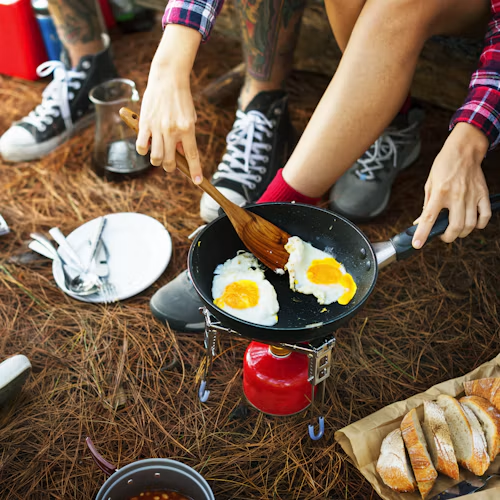
Breakfast sets the mood for the day, so choose easy favorites.
- Oatmeal packets or overnight oats: add dried fruit, cinnamon,n or a spoonful of peanut butter (check allergies).
- Pancakes: mix the batter at home and pour from a squeeze bottle, then cook on a griddle or pan.
- Scrambled eggs and toast or tortillas: scramble in a pan, then roll into breakfast burritos.
- Breakfast burritos: make at home, wrap in foil and reheat over a stove or fire.
- Yogurt, granola and fruit cups
- Cereal with shelf-stable or cooler milk
- Bagels or English muffins with cream cheese or nut butter
- French toast sticks: dip bread sticks in egg mix and pan-fry.
- Banana “boats”: slice a banana, add chocolate chips, and heat in foil.
- Hard-boiled eggs and fruit for a no-cook morning
Easy Camping Lunches
Lunch should be quick, because kids are busy playing.
- Sandwiches and wraps: turkey and cheese, hummus and veggies, or peanut butter and banana (check allergies).
- Pinwheels: roll tortillas with fillings and slice them into bite-size spirals.
- Quesadillas: cook on a griddle or pan with cheese and beans.
- DIY lunch boxes: crackers, cheese cubes, sliced meat, fruit,t and veggies.
- Pasta salad, made at home.
- Tuna or chicken salad pouches with crackers
- Fruit and veggie cups with dips
- Peanut butter and jelly sandwiches, the classic camp lunch
Easy Camping Dinners for Kids
Dinner is the main event, and the campfire makes it fun.
- Hot dogs on sticks or the stove, with buns and toppings
- Foil packet meals: see the recipes below
- One-pot pasta: boil pasta, then stir in jarred sauce and cheese.
- Mac and cheese: boxed or homemade, with peas or broccoli added
- Chili or sloppy joes, made at home and reheated
- Burgers or chicken sausages on a grill or pan
- Tacos or nachos: cook seasoned meat or beans, then let kids build their own.
- Pizza pockets or quesadilla pizzas: tortillas, sauce, cheese,se and toppings cooked in a pan
- Rice and beans bowls with toppings
- Soup and grilled cheese: a cozy meal for cold evenings
Cook meat to safe temperatures. The U.S. government’s FoodSafety.gov recommends 160°F for ground meats and 165°F for poultry, and a food thermometer is the only reliable way to check.
Foil packet recipes
Foil packets are a camping classic because there is almost no cleanup.
Sausage and veggie packet
- Sliced pre-cooked sausage, chopped potatoes, bell pepper, and zucchini
- A drizzle of oil, salt,t and a pinch of seasoning
- Wrap tightly in foil, and cook over coals or on a grill for about 20 to 30 minutes, until potatoes are tender and everything is hot. Open carefully, since the steam is hot.
Chicken and rice packet
- Pre-cooked chicken, instant rice, frozen vegetables, and a little broth or sauce
- Wrap tightly, cook until hot throughout, and check that the chicken reaches a safe temperature.
Cheesy potato packet
- Thinly sliced potatoes, shredded cheese, a little butter, and seasoning
- Cook until the potatoes are soft.
Fish or shrimp packet (for older kids who like seafood)
- Fish fillets or peeled shrimp with lemon, butter,r and vegetables
- Keep seafood very cold until cooking, and cook until it is done through.
Let kids help assemble their own packets, but have adults handle the hot foil.
Camping Snacks and Treats
Plan more snacks than you think you need.
- Fruit: apples, oranges, bananas, grapes (cut for small children)
- Veggies and dip: carrots, cucumbers, rs and hummus
- Cheese sticks and crackers
- Trail mix (leave out whole nuts for toddlers)
- Granola bars and fruit leather
- Popcorn, popped over the stove or at home
- Energy balls: oats, nut butter, honey and chocolate chips (check allergies; honey is not safe for babies under one year)
- Yogurt pouches
- Pretzels and crackers
- S’mores: graham crackers, chocolate and marshmallows
- Banana boats and baked apples for campfire dessert
No-Cook Camping Meals
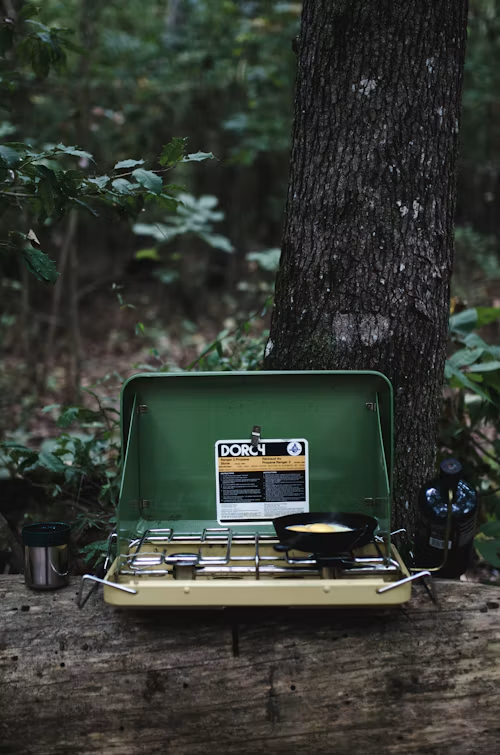
No-cook meals are great for hot days, windy weather, fire bans,ans and tired parents.
- Sandwiches, wraps and pinwheels
- DIY snack plates: cheese, crackers, meat, fruit and veggies
- Overnight oats prepared the night before
- Cold pasta salad from home
- Tuna or chicken pouches with crackers
- Bean and veggie wraps with salsa
- Yogurt and granola cups
- Nut butter and fruit sandwiches (check allergies)
A Simple 2-Day Camping Meal Plan
Here is an easy plan for a weekend trip. Adapt it to your family’s likes and dietary needs.
| Meal | Day 1 | Day 2 |
|---|---|---|
| Breakfast | At home or on the road | Pancakes with fruit |
| Lunch | Sandwiches, fruit,ruit and crackers (picnic on arrival) | Wraps, veggies,s and cheese |
| Snack | Apples and cheese sticks | Trail mix and fruit leather |
| Dinner | Foil packet sausage and veggies | Heading home or leftover chili and rolls |
| Dessert | S’mores | Banana boats or fruit |
Camp Kitchen Packing List
- Camp stove, fuel, el and lighter or matches
- Pot, pan and spatula
- Cooking utensils, can opener and a sharp knife
- Cutting board
- Plates, bowls, cups and cutlery
- Cooler with ice packs and a food thermometer
- Water container and reusable bottles
- Dish tub, biodegradable soap, sponge and towel
- Foil, zip bags and paper towels
- Trash bags
- Tablecloth and a folding table
- Oven mitts or heat-resistant gloves
For more help packing everything, see our family camping checklist and our guide to the best travel gear for kids.
Food Safety at the Campsite
Safe food is non-negotiable, because a stomach bug can end a trip.
- Keep cold food cold. Store perishable foods at 40°F (4°C) or below, use plenty of ice packs, and keep the cooler closed and in the shade.
- Use two coolers if you can: one for drinks that open often, and one for food.
- Do not leave food out. Do not leave perishable food out for more than two hours, or one hour in hot weather.
- Cook to safe temperatures. Use a food thermometer.
- Keep raw meat separate from ready-to-eat foods, and use a separate cutting board.
- Wash hands before cooking and eating, and use hand sanitizer when water is not available.
- Use safe water. Bring water from home or use treated water. Boil water for at least one minute, or three minutes at high elevation, if you must use stream or lake water. The CDC has guidance on safe water for camping.
- Store food away from your tent. In bear country, follow park rules and use bear boxes, canisters,s or a locked vehicle.
- Clean up promptly, since leftover food attracts animals and insects.
Camping Food for Picky Eaters, Toddlers and Allergies
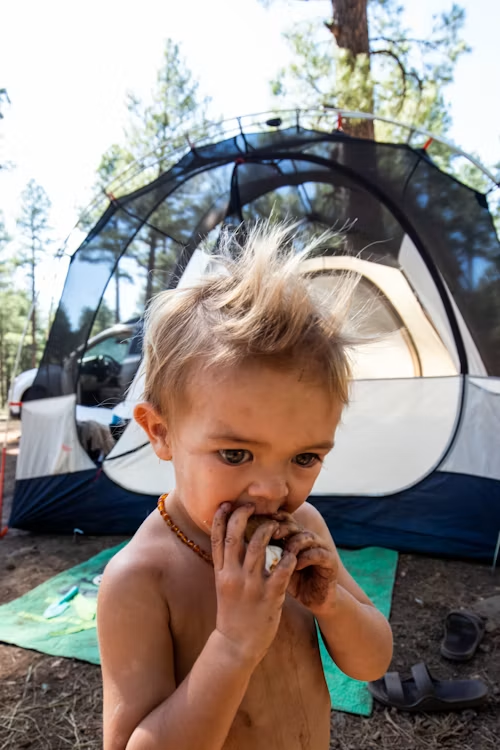
- Picky eaters: bring a few safe foods your child always eats, and let kids help choose and prepare meals.
- Toddlers: keep meals simple and familiar, and avoid choking hazards such as whole nuts, whole grapes, es and hard candy. Our guide to camping with toddlers has more tips.
- Allergies: read labels carefully, keep allergy medicines handy, and pack safe foods in a separate container.
- Dietary needs: plan and bring foods that suit vegetarian, gluten-free, or other diets.
Leave No Trace in the Camp Kitchen
- Pack out all food scraps and trash.
- Wash dishes at least 200 feet (about 70 big steps) from streams and lakes, using a small amount of biodegradable soap, and scatter strained dishwater widely.
- Do not feed wildlife.
- Keep fires small, and follow fire restrictions. The U.S. Forest Service’s Smokey Bear guidance is to drown, stir, and feel before leaving a fire.
- Check for fire bans on the official page of the campground or park before you go.
The Leave No Trace Center has simple guidelines for families.
Common Camping Meal Mistakes
- Trying new recipes at camp. Test at home first.
- Overpacking food. Stick to your menu.
- Underpacking snacks. Bring extra.
- Forgetting a can opener or thermometer.
- Not freezing items ahead of time. Frozen food keeps coolers colder.
- Forgetting about fire restrictions. Pack a stove as a backup.
- Leaving food out. Animals and bacteria both love it.
For more ideas on planning a budget-friendly trip, see our guide to budget-friendly family road trip ideas, and for fun on the trail, read about how to get kids to like hiking.
Frequently Asked Questions
What are some easy camping meals for kids?
Pancakes, oatmeal, sandwiches, wraps, hot dogs, pasta, foil packet meals, quesadillas, fruit, cheese, trail mix,x and s’mores are all easy and kid-friendly.
What is the best way to keep food cold while camping?
Use a good cooler with plenty of ice or ice packs, pre-chill it, pack food in layers with ice on top, keep it in the shade, de and open it as little as possible. Freezing foods ahead helps.
What are some no-cook camping meals?
Sandwiches, wraps, pinwheels, snack plates, overnight oats, pasta salad, tuna pouches, cheese,s and yogurt with granola work well without any cooking.
How do you cook on a camping trip with kids?
A camp stove is the easiest and safest for most families. Campfires are fun for hot dogs and foil packets, but keep kids at a safe distance, and always follow fire restrictions.
What should I pack for a camping meal plan?
A cooler with ice, a stove and fuel, pots and pans, utensils, plates, water, dish supplies, trash bags, and a menu. Our camping checklist has the full list.
How do you make camping meals easy?
Plan the menu, cook or chop at home, use foil packets and one-pot meals, and keep foods simple and familiar. Let kids help to keep them busy.
What camping foods are good for toddlers?
Soft, familiar foods such as pasta, yogurt, fruit, cheese, oatmeal, scrambled eggs,s and sandwiches cut into small pieces. Avoid choking hazards.
Final Thoughts
Good camp food does not need to be fancy. It needs to be easy, safe, and something your kids will actually eat. Plan a simple menu, prep ahead, pack extra snacks, and let kids help. A foil packet, toasted marshmallow, oww and a table full of happy campers are often the best parts of the trip.
Ready for more? Read our first-time family camping guide, or explore the best family vacations in the U.S. for destinations with great campgrounds.