A cold, uncomfortable night is the fastest way to turn a child against camping. And kids get cold faster than adults. They are smaller, lose heat quickly,y and often squirm out of covers. A good kids’ sleeping bag is one of the most important pieces of camping gear you can buy, and also one of the most confusing, with temperature ratings, shapes, fills, and sizes that do not always make sense.
This guide explains how to choose kids’ sleeping bags: how temperature ratings work, how to match a bag to your climate, the right size and shape, synthetic versus down, sleeping pads, features that matter, safety rules for young children, washing and storage,e and what to do if you are on a budget. For the rest of your gear, see our family camping checklist.
Quick answer: how do you choose a kids’ sleeping bag? Choose a bag rated for temperatures colder than the lowest night you expect, pick a size that fits your child with a little room (not far too long), prefer synthetic insulation for easy care, look for a hood, a draft collar and a zipper that kids can use, and always pair the bag with an insulated sleeping pad. Babies should not sleep in a sleeping bag.
Important: Sleeping bags are not safe sleep products for babies. For infants, follow safe-sleep guidance from your pediatrician and the American Academy of Pediatrics. See our guide to camping with a baby for details.
How Sleeping Bag Temperature Ratings Work
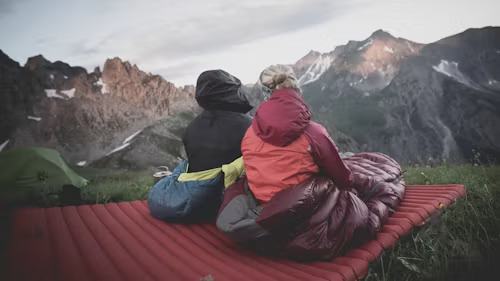
A temperature rating tells you roughly how cold it can get before the bag stops keeping a sleeper warm. But ratings aren’t simple, and they aren’t always reliable for kids.
- Comfort rating: the temperature at which a typical cold sleeper should be comfortable.
- Limit rating: the lowest temperature at which a warm sleeper can sleep without getting dangerously cold, though not comfortably.
- Extreme rating: a survival rating that is not meant for normal use. Ignore it when choosing a bag.
Many adult bags use a standardized lab test for these ratings, and kids’ bags may use similar or simpler labels. Ratings are guides, not guarantees, because comfort depends on the child, the pad, the clothing, the tent, and the weather. Many kids sleep “cold,” so choose a bag that is rated colder than the lowest temperature you expect.
A simple rule
Choose a bag with a rating about 10 to 15°F (5 to 8°C) colder than the lowest nighttime temperature you expect. If the forecast lows are 50°F, pick a bag rated around 35 to 40°F. If you will camp in cold weather, add a liner, warm clothes, and a good pad.
Temperature Rating Guide
| Camping conditions | Suggested bag rating |
|---|---|
| Warm summer nights, lows above 60°F (15°C) | 50°F (10°C) or lighter |
| Mild nights, lows 45 to 60°F (7 to 15°C) | 40°F (4°C) |
| Cool nights, lows 35 to 45°F (2 to 7°C) | 30°F (-1°C) |
| Cold nights, lows 25 to 35°F (-4 to 2°C) | 20°F (-7°C) |
| Below freezing | Suitable winter gear, with expert advice |
This is a rough guide. If your child is a cold sleeper, choose a warmer bag. Read our guide on winter hiking with kids for cold-weather safety, and talk to experienced outdoor families or shops before camping in freezing conditions.
Choosing the Right Size
Size matters for warmth. A bag that is too big has space the body has to heat, and a bag that is too small is uncomfortable and may not close.
- Check the length. Most kids’ bags are labeled by age or height. Choose one that fits your child with a few inches of room above the head and at the feet.
- Avoid buying “to grow into.” A very long bag leaves cold air pockets. If your child is growing fast, look for adjustable-length kids’ bags that can be extended or shortened.
- Check the width. Kids should be able to turn over and bring knees up, but should not swim around inside.
- Try before you buy, if you can, or check the return policy.
- Check weight limits and size charts from the brand.
Sleeping Bag Shapes
| Shape | Pros | Cons |
|---|---|---|
| Rectangular | Roomy, comfortable, zips open as a blanket, great for casual camping | Less warm and heavier |
| Semi-rectangular | A good balance of space and warmth | Slightly less roomy |
| Mummy | Warmest, since the shape traps heat | Snug, which some kids dislike, and more expensive |
For most family car camping, rectangular or semi-rectangular bags are comfortable and easy for kids. For cold weather, a mummy bag is warmer.
Synthetic vs. Down Insulation
| Synthetic | Down | |
|---|---|---|
| Warmth for weight | Good | Excellent |
| When wet | Keeps insulating better | Loses warmth when soaked |
| Care | Easy to wash and dry | Needs special care |
| Cost | Usually cheaper | Usually more expensive |
| Best for kids | Often the better choice | Great for cold, dry trips if you can afford it |
For most families, synthetic bags are the practical choice because kids spill, sweat a, nd have accidents, and synthetic fill dries faster and is easier to clean.
Features That Matter
- Hood or drawcord: keeps the head and neck warm, because kids lose a lot of heat through their heads.
- Draft tube or collar: a padded tube along the zipper or around the neck that stops warm air from escaping.
- Zipper: choose a zipper that is easy for small hands, with a zipper guard that keeps fabric from snagging. Two-way zippers let kids vent.
- Shell fabric: a soft, quiet fabric that is comfortable against the skin.
- Stuff sack or compression bag: useful for packing and storage.
- Loops and ties: help with drying and storage.
- Glow-in-the-dark or bright details: make finding the zipper in the dark easier.
- Machine washable: a big plus with kids.
Don’t Forget the Sleeping Pad
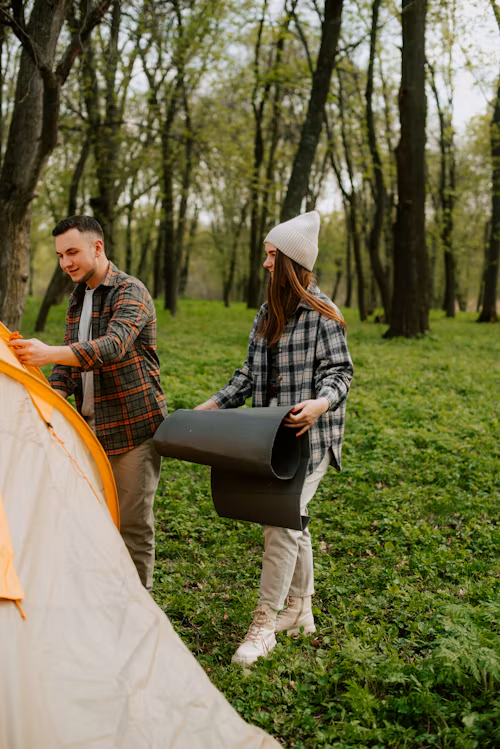
Most heat loss happens through the ground, and sleeping bag insulation compresses under the body, so it does not do much underneath. An insulated sleeping pad matters as much as the bag.
- Look at the pad’s R-value, which measures insulation. A higher number means more warmth.
- Use a foam or inflatable pad, sized for your child.
- Air mattresses without insulation can feel cold, since air moves inside them, so add a blanket or insulated pad on top if needed.
- Add a pad even in summer, for comfort and warmth.
Our guide to how to choose a family tent explains how to fit pads and mattresses inside.
Sleeping Bag Liners and Extras
- Liners add warmth, keep the bag clean, and are easier to wash than the whole bag.
- A pillow or rolled clothes help comfort and keep heads warm.
- A beanie hat worn to bed adds warmth on cool nights.
- Warm socks (dry ones kept just for sleeping) help.
- A blanket on top can add warmth in a pinch.
Dress Kids for Sleep
What kids wear inside the bag matters.
- Use dry, moisture-wicking base layers, like long underwear or soft synthetics, not cotton.
- Avoid too many layers. Overdressing can cause sweating and chills.
- Change out of day clothes, especially if they are damp.
- Add a hat and socks on cool nights.
- Do not wear a puffy jacket inside the bag that compresses the insulation.
Sleeping Bags for Toddlers and Babies
Toddlers
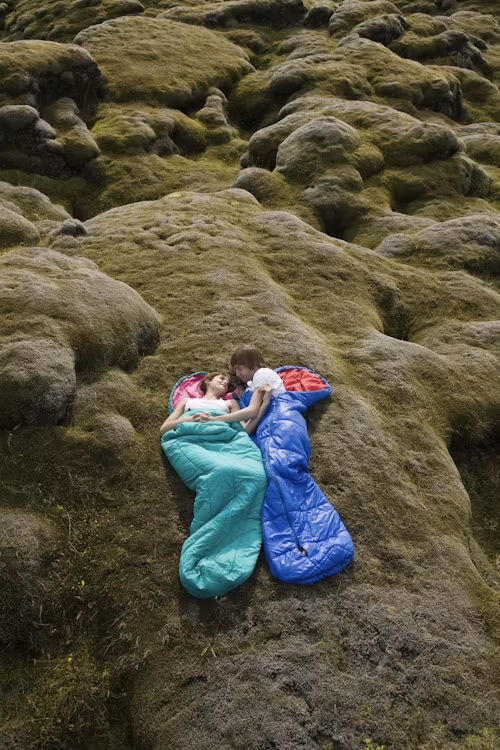
Many toddlers can use a kids’ sleeping bag if it fits and they can move comfortably. Toddlers may kick off covers, so a bag keeps them warmer. Some families prefer a wearable sleep sack for younger toddlers, as long as it suits the temperature. Our guide to camping with toddlers has more tips on sleep.
Babies and infants
Sleeping bags are not recommended for babies. Follow safe-sleep guidance from your pediatrician and the American Academy of Pediatrics, which includes a firm, flat sleep surface and no loose bedding. The HealthyChildren.org website has detailed advice, and our guide to camping with a baby explains safe sleep outdoors.
Safety Tips for Sleeping Bags
- Never use heaters, stoves, or candles in a tent. They cause fires and carbon monoxide poisoning. The CDC explains the risks.
- Do not zip a sleeping bag over a child’s head.
- Keep drawcords short or secured so they do not become a hazard for young children.
- Make sure the bag is not too hot, and check for overheating.
- Keep flames away from bags, since many fabrics melt or burn. See our guide to campfire safety for kids.
- Check kids during the night for warmth, especially on cold nights.
Care, Washing and Storage
- Follow the care label. Most synthetic bags can be machine washed gently and dried on low heat.
- Wash only when needed. Too much washing can reduce insulation.
- Dry completely before storing, or mold will grow.
- Store loosely, in a large breathable bag or hung up, not squished in a stuff sack for months.
- Air out the bag after each trip.
- Spot clean small spills right away.
- Use a liner to keep the bag clean.
Budget Tips for Kids’ Sleeping Bags
Kids outgrow bags fast, so you do not need the most expensive option.
- Buy secondhand from friends, local groups, and resale shops. Check zippers, stains, and loft.
- Choose a bag that fits now, not one for the next three years.
- Look for end-of-season sales.
- Consider adjustable-length bags that grow with your child.
- Rent or borrow for your first trips.
- Spend more on the pad if you have to choose, because warmth from below matters.
Our budget-friendly family road trip ideas have more ways to save on camping costs.
Kids’ Sleeping Bag Buying Checklist
- Rating colder than your expected low
- Size fits your child, with a little room
- Synthetic fill for easy care
- Hood, draft collar,,n and a kid-friendly zipper
- Insulated sleeping pad to go with it
- Machine washable
- Warm sleep layers packed
- Liner, hat and spare socks
- Tested at home before the trip
Our backyard camping with kids guide is a great way to test a bag without risk.
Common Mistakes When Choosing a Kids’ Sleeping Bag
- Buying a bag that is too big. Space is cold.
- Choosing by price alone.
- Ignoring the sleeping pad.
- Trusting the “comfort” label without a buffer.
- Dressing kids in cotton to sleep.
- Putting kids in a wet bag.
- Skipping a test run.
- Using a sleeping bag for a baby.
- Storing the bag compressed for months.
Frequently Asked Questions
What temperature sleeping bag does a child need?
Choose a bag rated about 10 to 15°F colder than the lowest night temperature you expect. For most summer family camping, a 40°F to 50°F bag is fine, and cold-weather camping needs a warmer bag and a good pad.
How do I know what size sleeping bag my child needs?
Check the brand’s size chart by height or age. Choose one that fits with a few inches of room, and avoid a bag that is far too long. Adjustable-length bags work well for growing kids.
Are synthetic or down sleeping bags better for kids?
Synthetic bags are usually the better choice for most families because they keep warmth when damp and are easy to wash. Down bags are lighter and warmer but cost more and need careful care.
Do kids need a sleeping pad?
Yes. A pad insulates from the cold ground and often matters as much as the bag. Choose an insulated pad with a good R-value.
Can toddlers sleep in sleeping bags?
Many toddlers can sleep in a properly sized sleeping bag. Make sure the bag fits, is not too warm, and does not cover the head. See our guide to camping with toddlers.
Is it safe for babies to sleep in a sleeping bag?
No. Babies should sleep on a firm, flat surface without loose bedding, as recommended by pediatric safe-sleep guidance. See our guide to camping with a baby.
How do I keep a child warm in a sleeping bag?
Use a bag rated for the temperature, an insulated pad, dry base layers, a hat and socks, and a warm drink before bed. Avoid overdressing, and check your child during the night.
Final Thoughts
The best kids’ sleeping bag is one that fits your child, matches your climate,e and keeps them warm all night. Choose a rating colder than the forecast, pick synthetic fill for easy care, pair it with an insulated pad, ad and test it at home before you go. A warm, comfortable child sleeps well, and a child who sleeps well is a child who asks to go camping again.
Ready for the next step? Read our guide to how to choose a family tent, review our family camping checklist, or browse the best family vacations in the U.S. for campgrounds worth visiting.