The campground you choose can make or break your trip. A good family campground has clean bathrooms, shade, space for kids to play, and a site that feels safe. A poor choice can mean noisy neighbors, a long walk to the toilet at midnight, a flooded tent pad, or a campsite with no shade on a hot afternoon.
The good news is that choosing a family campground is mostly about knowing what to look for. This guide covers the main types of campgrounds, 15 things to check before you book, kid-friendly features to look for, how reservations work, rules to read, red flags, and a simple checklist. If you are new to camping, start with our first-time family camping guide, and keep our family camping checklist handy.
Quick answer: how do you choose a family campground? Pick one close to home with flush toilets, drinking water, shade and a flat site, check for kid-friendly features like a playground, swimming area or short trails, read recent reviews and photos, book early and review the rules on quiet hours, fires, pets and the number of people per site.
Types of Campgrounds
Different campgrounds suit different families.
| Type | What it offers | Good for |
|---|---|---|
| State parks | Often affordable, well-maintained, with restrooms, trails, and sometimes beaches | Most beginner families |
| National parks | Beautiful scenery, ranger programs, Junior Ranger activities, but popular and often busy | Families who want big scenery and are willing to book early |
| National forests | More rustic, sometimes fewer facilities and lower cost | Families with some camping experience |
| Private campgrounds | Often have pools, playgrounds, Wi-Fi, stores and activities | Families who want more amenities |
| County and city parks | Close to home, often cheap and simple | Short, easy first trips |
| Dispersed camping | Free or low-cost camping on public land with no facilities | Experienced campers only |
For a first family trip, state parks and private campgrounds are often the easiest choices. National parks are wonderful, but popular ones fill up months ahead, and our guide to the best national parks for families with young kids can help you choose.
15 Things to Check Before You Book a Family Campground
1. Distance from home
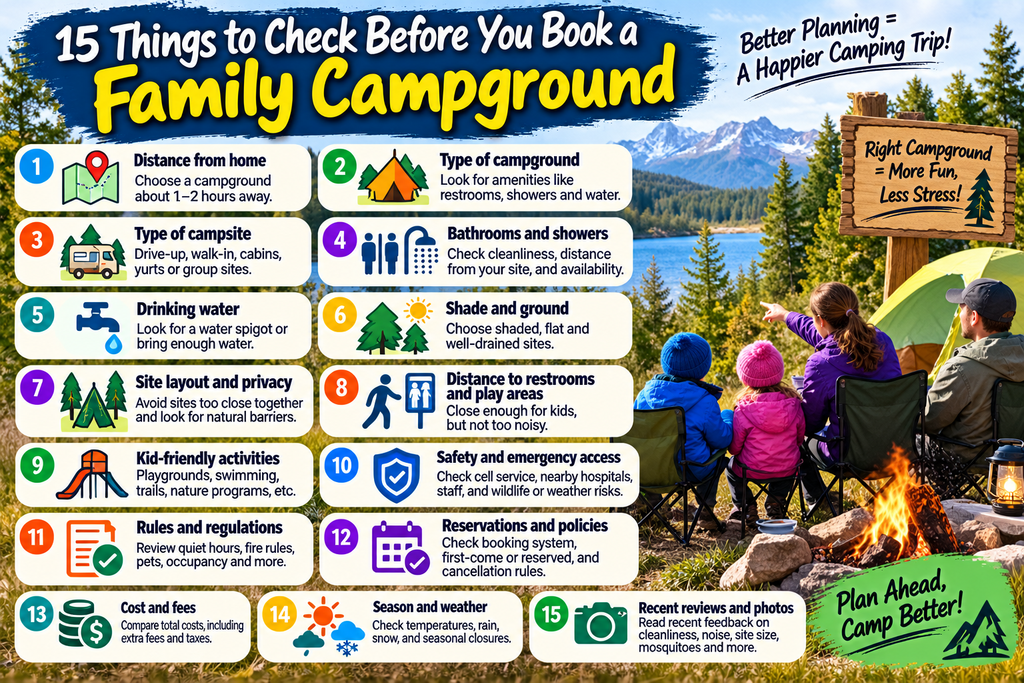
For a first trip, choose a campground about one to two hours from home. A shorter drive means less time in the car and an easy retreat if things go badly.
2. Type of campground
Think about how much comfort your family wants. Developed campgrounds with restrooms, showers, and water are easier with kids than primitive sites.
3. Type of campsite
Check what kind of site you are booking.
- Drive-up sites let you park beside your tent, which is great for families.
- Walk-in sites are quieter but require carrying gear.
- Cabins, yurts, and glamping options are good for beginners or cold-weather trips.
- Group sites suit big gatherings.
4. Bathrooms and showers
Flush toilets and hot showers make a big difference with kids. Check how close the restrooms are to your site, whether they are clean (look at recent reviews), and whether there are showers.
5. Drinking water
Look for a water spigot close to your site. Carrying water far with kids is a chore. If the campground has no drinking water, bring plenty, or plan to treat water properly.
6. Shade and ground
Shade keeps tents cooler and makes naps possible. Look for flat, well-drained ground, not low spots that flood in rain. Photos in recent reviews often show the real site conditions. Our guide on camping in the rain with kids explains why drainage matters.
7. Site layout and privacy
Check how close the sites are to each other. Some campgrounds have large, private sites, while others pack sites tightly. Corner sites and sites with trees or bushes between them offer more privacy.
8. Distance to restrooms and play areas
Close enough to walk with a toddler, but not so close that foot traffic and noise bother you. Many families choose a spot a short walk from the bathroom and playground.
9. Kid-friendly activities
Look for features that keep children busy, such as:
- A playground
- A swimming area or beach (with lifeguards or safe, shallow water)
- Short, easy trails
- A nature center or ranger programs
- A fishing pond
- Bike paths
- Junior Ranger programs. Read our guide to the Junior Ranger program for how they work.
10. Safety and emergency access
Check for cell service, how far the nearest hospital or clinic is, and whether the campground has staff or a host. Look at wildlife and weather risks, such as bears, flooding, or wildfire smoke. Our family travel safety tips have a full checklist.
11. Rules and regulations
Read the rules before you book.
- Quiet hours: typically in the evening and overnight, but they vary.
- Fire rules: check for campfire restrictions or bans. See our guide on campfire safety for kids.
- Pets: leash rules and restrictions.
- Occupancy: many sites limit the number of people and vehicles per site.
- Check-in and check-out times
- Firewood rules: many places ask you to buy local firewood.
12. Reservations and policies
Find out whether the campground uses a reservation system, first-come, first-served sites, or both, and check cancellation policies. See the section below on reservations.
13. Cost and fees
Campsite fees vary by state, park, and season. Check for extra fees, such as a second vehicle, a pet, extra people, or a reservation fee. Compare the total cost, not just the nightly price. Our guide to budget-friendly family road trip ideas has tips for saving money.
14. Season and weather
Check the season, typical weather, overnight lows, and flood or wildfire risks. Some campgrounds close in winter or have limited services in the off-season. Our guide to the best time to visit national parks with kids explains how seasons affect crowds and access.
15. Recent reviews and photos
Read reviews from the last few months, not just the highest-rated ones. Look for comments on cleanliness, noise, site size, mosquitoes, staff, and safety, and check photos for real site conditions.
How Reservations Work
- Federal campgrounds (national parks, national forests, and others) are often reserved through Recreation.gov. Many have a booking window that opens months in advance, and popular sites fill almost immediately.
- State parks usually have their own reservation systems and booking windows.
- Private campgrounds typically take reservations directly or through an online system.
- First-come, first-served sites are available at some campgrounds, but they can fill early, especially on weekends.
- Walk-up availability varies. Do not count on it in peak season.
Tips
- Set a reminder for when booking opens.
- Have your dates, backup dates, and campground options ready.
- Book weekdays or shoulder seasons for easier availability.
- Check cancellation rules, in case weather or plans change.
- Read confirmation emails for check-in instructions.
Best Campsites Within a Campground
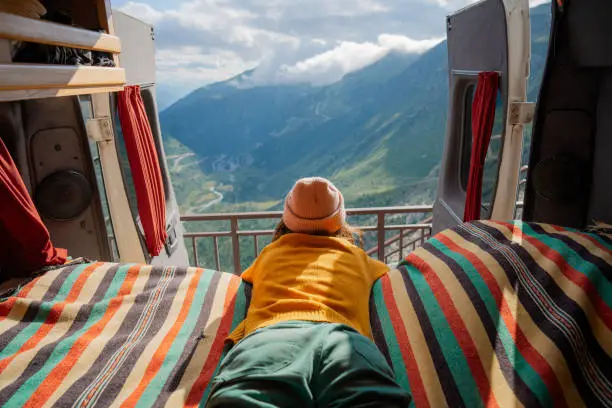
When you can choose your site, look for:
- Shade, especially for afternoon sun
- A flat, clear tent pad with good drainage
- A site size that fits your tent. Check our guide on how to choose a family tent.
- A picnic table, fire ring, and water nearby
- A short walk to restrooms, but not right next to them
- Distance from the road, the dumpster, and busy areas
- Space for kids to play without wandering into other sites
- A good view or access to a trail or water
- Away from low spots, drainage ditches, and dead trees
Camping With Babies and Toddlers: Extra Checks
- Flush toilets and a short walk make diaper changes and night potty trips easier.
- Electric hookups can help in extreme weather, though never use heaters inside a tent.
- Safe, flat ground for crawlers and a play yard.
- Shade for naps.
- Nearby medical help.
- A host or staff on site.
See our guides to camping with toddlers and camping with a baby for more tips.
Red Flags to Watch For
- Recent reviews mention dirty bathrooms, safetyproblems,, or noise.
- Sites are very close together with no privacy.
- No clear rules or hosts.
- No cell service and no emergency plan for a family with small kids.
- Standing water, flooding, or poor drainage in photos.
- Wildfire or flood warnings for the area.
- Hidden fees or unclear cancellation policies.
- Dead or leaning trees near sites.
- No drinking water and no information about the source.
Campground Amenities: Need-to-Have vs. Nice-to-Have
| Need-to-have (for most families) | Nice-to-have |
|---|---|
| Restrooms with flush toilets | Hot showers |
| Drinking water | Playground |
| Flat, shaded sites | Swimming area or pool |
| Emergency contact and safe access | Camp store |
| Clear rules and reservation info | Wi-Fi and electric hookups |
| Fire rings and picnic tables | Laundry |
Dealing With Noise and Neighbors
Campgrounds can be social places. A few habits help everyone:
- Pick a site with some privacy if you can.
- Follow quiet hours, and keep voices low at night.
- Keep kids from cutting through other sites.
- Keep your site tidy, and store food properly.
- Bring earplugs and a white noise app if you are noise-sensitive.
- Be friendly, since neighbors often share tips and help.
Leave No Trace at the Campground
- Pack out all trash and keep your site clean.
- Stay on durable surfaces, and avoid trampling plants.
- Use fire rings and follow fire rules.
- Do not feed wildlife.
- Respect quiet hours and other campers.
The Leave No Trace Center shares simple principles for families.
Family Campground Checklist
- Within one to two hours of home (for a first trip)
- Flush toilets and drinking water close by
- Shade and flat, well-drained ground
- A site large enough for your tent and family
- Kid-friendly activities, like a playground or trail
- Safe surroundings and emergency access
- Clear rules on fires, pets, quiet hours, and occupancy
- Reasonable fees and a clear cancellation policy
- Recent reviews and photos checked
- Weather and season suited to your plans
Common Mistakes When Choosing a Campground
- Choosing a remote site for a first trip. Start easy.
- Booking too late. Popular sites sell out.
- Ignoring reviews. Recent ones matter.
- Not checking site size. A big tent may not fit.
- Forgetting about drainage and weather.
- Skipping the rules. Fire bans and quiet hours can surprise you.
- Not thinking about bathrooms with small kids.
- Choosing a site next to the road or dumpster.
- Overplanning. A few simple activities are plenty.
Frequently Asked Questions
What should I look for in a family campground?
Flush toilets, drinking water, shade, flat sites, kid-friendly activities, safe surroundings, clear rules, and a location close enough for an easy drive.
What is the best type of campground for beginners?
State parks and private campgrounds with restrooms, water, and activities are often the easiest. Drive-up sites make loading and unloading simple.
How far in advance should I book a campground?
Popular campgrounds, especially in national and state parks, often fill months ahead. Check the booking window, set a reminder, and book early for weekends and holidays.
How do I choose a good campsite within a campground?
Pick a flat, shaded site with good drainage, a size that fits your tent, easy access to water and restrooms, and some privacy. Avoid low spots and dead trees.
Are campgrounds safe for kids?
Yes, when you choose a well-run campground, follow the rules, supervise children, store food properly, and have an emergency plan. Check reviews and safety information before you book.
Do I need reservations to camp?
Often yes, especially for popular parks and weekends. Some campgrounds offer first-come, first-served sites, but they can fill up quickly.
What if my campground has bad reviews?
Look for recent trends in the reviews. If there are repeated complaints about cleanliness, safety, or noise, choose another place.
Final Thoughts
Choosing a family campground is mostly about matching the place to your family’s needs. For beginners, that means an easy drive, clean bathrooms, water, shade, and a few fun activities for the kids. Read recent reviews, check the rules, book early, and keep the plan simple. A good campground makes everything else about camping easier.
Ready to plan your trip? Read our guide to camping with toddlers, learn how to choose a family tent, or browse the best family vacations in the U.S. for places with great campgrounds.