If you are nervous about your first family camping trip, there is a gentle way to start: pitch the tent in your own backyard. Backyard camping with kids lets you practice the skills, test your gear, and find out how your children sleep outdoors, all with a warm bed and a bathroom just a few steps away.
It is also fun in its own right. Camping at home with kids can be a birthday activity, a weekend adventure, or a way to enjoy summer nights with no driving and no reservations. This guide gives you a step-by-step plan for a backyard campout, including gear, food, activities, safety, bedtime tips, and what to do if things go wrong. When you are ready for the real thing, our first-time family camping guide is the next step. It also fits into our complete camping checklist series.
Quick answer: how do you go backyard camping with kids? Pick a dry, flat spot, set up the tent in daylight, bring sleeping bags, pads and flashlights, cook an easy dinner, play a few games, tell stories or stargaze, keep your usual bedtime routine and make sure everyone knows they can come inside any time. Treat it as practice, not a test.
Why Backyard Camping With Kids Is Worth Doing
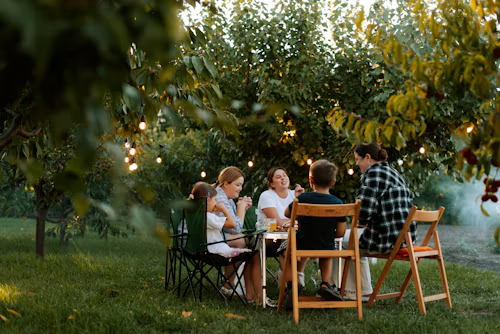
- It is easy. No packing the car, no long drive, and no campsite reservation.
- It is a safe practice run. You can find out what gear you are missing, how the tent goes up, and whether your kids sleep well.
- It builds confidence. Nervous kids can try the sounds, the dark, and a sleeping bag in a familiar place.
- It costs very little. Most families already have blankets, flashlights, and snacks.
- It works for all ages. Toddlers can try a few hours, and older kids can sleep out all night.
- It is a special family memory. Kids often love it as much as a “real” camping trip.
Is Backyard Camping With Kids Right for Your Family?
Check a few things first:
- Do you have a safe, fairly flat, private space such as a yard, a patio, or a shared lawn (with permission)?
- Are the neighbors, pets, and noise manageable?
- Is the weather suitable? Check the forecast and plan for rain or wind.
- Does your family have a plan B? Knowing you can go inside makes everyone calmer.
If you do not have a yard, you can still camp in a living room, a basement, or a nearby park or campground that allows tents.
Step 1: Choose the Date and Check the Weather
Pick a night with mild temperatures and no storms. The National Weather Service gives hourly forecasts and alerts. Avoid nights with thunderstorms, strong wind, extreme heat, or freezing temperatures for your first campout. Have a plan to move inside if the weather changes.
Step 2: Prepare the Spot
- Walk the area. Look for ant nests, thorny plants, holes, sharp objects, and low branches.
- Choose flat ground, away from walkways, driveways, pools, and fire pits.
- Keep it close to the house, so kids feel safe, but still give them a feeling of being outside.
- Clear small stones and sticks from where the tent will go.
- Check for wasps or ants, and treat the area ahead of time if needed.
- Think about sprinklers and pets. Turn off automatic watering for the night and decide where pets will sleep.
Step 3: Set Up the Tent Together
Setting up is one of the best parts of the practice run.
- Lay out the groundsheet and tent body.
- Assemble the poles, with kids helping hand you the pieces.
- Stake the tent down, and add the rainfly even if the sky is clear, so you can practice.
- Arrange sleeping pads and bags inside.
- Add a lantern or string lights for atmosphere. Battery-operated lights are safest.
Doing this in daylight means no frustration and a chance to learn how it works. If you plan to camp for real, our family camping checklist shows what else to bring.
Backyard Camping Checklist
Use what you already have, and add the rest as you go. Our guide to the best travel gear for kids explains what is worth buying.
Sleeping Gear
- Tent (or a blanket fort or tarp shelter)
- Sleeping bags or blankets
- Sleeping pads, camping mats or thick blankets
- Pillows and a favorite stuffed animal
Light and Comfort
- Flashlights or headlamps for each person
- Lantern or battery-powered string lights
- Camp chairs or blankets
- Warm layers, hats, and socks
- Bug repellent suited to children (check age limits)
- A thermos or warm drinks for cool nights
Food and Drinks
- Snacks, dinner supplies and drinks
- A cooler or the kitchen fridge, within easy reach
- A camp stove or grill, if you plan to cook outside
Fun Extras
- Games, cards, books, and a star chart
- A notebook and pencils
- Glow sticks and a small “camp prize”
Safety Items
- A first-aid kit
- A phone, in case of emergencies
- A whistle for each child, if you like
Step 4: Cook an Easy Backyard Dinner
You do not need a campfire. Cook the same way you would at a campsite, or use your kitchen.
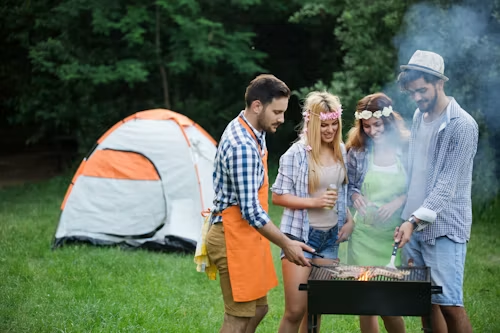
- Camp-style meals: hot dogs, foil packet dinners, quesadillas, or pasta, cooked on a grill or camp stove.
- No-cook meals: sandwiches, wraps, fruit and snack plates.
- Dessert: s’mores made on a grill, in the oven,n or with a safe backyard fire pit if local rules allow.
- Breakfast: pancakes or oatmeal cooked on a camp stove, or breakfast made in the kitchen.
For recipes and a full plan, see our guide to easy camping meals for kids. Keep cold foods cold, wash hands, and follow safe cooking temperatures.
Step 5: Fun Backyard Camping Activities
Mix active, nature, and quiet activities.
Activities Before Dinner
- Nature scavenger hunt around the yard
- Bug safari with a magnifying glass
- Obstacle course with chairs, buckets, and a rope
- Leaf and bark rubbings
- Bean bag toss or frisbee
Activities After Dinner
- Flashlight tag or glow stick ring toss, within a clear boundary
- Shadow puppets on the tent wall
- Stargazing with a star chart or app
- Campfire stories or kid-friendly ghost stories with flashlights
- Campfire songs and silly camp chants
- Night sounds bingo, listening for crickets, owls, and wind
For more ideas, read our guide to camping games for kids. If you want to enjoy a campfire, see our campfire safety for kids guide and check local fire rules first. The U.S. Forest Service’s Smokey Bear site has simple fire rules for children.
Step 6: Bedtime in the Tent
Sleep is where backyard camping teaches the most.
- Keep the usual routine. Brush teeth, change into pajamas, and read a story.
- Dress for the temperature. Nights can be cooler than you expect, even in summer, so add a hat, socks, and a blanket.
- Use a pad under the sleeping bag. The ground draws heat away from the body.
- Bring comfort items. A favorite blanket or stuffed animal helps.
- Use a soft light. A small lantern or night light can ease fear of the dark.
- Talk about night sounds. Explain that rustling and chirping are normal.
- Keep it flexible. If a child wants to go inside at 10 p.m., that is fine.
For babies, follow safe-sleep guidance from your pediatrician and the American Academy of Pediatrics, including a firm, flat sleep surface and no loose bedding. HealthyChildren.org has detailed information. Our guide to camping with toddlers gives more tips for little ones.
Safety Tips for Backyard Camping With Kids
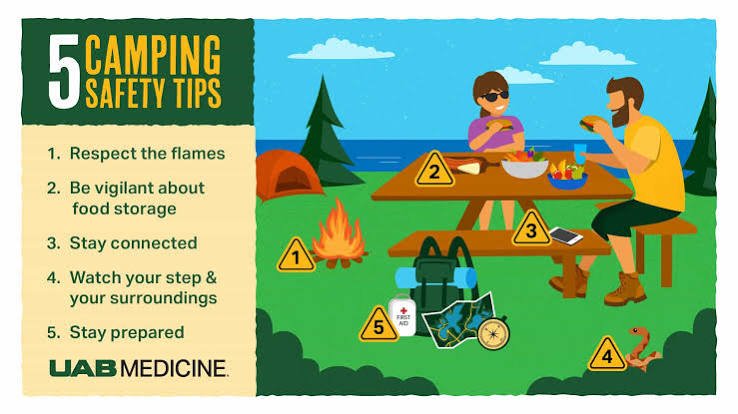
Backyard camping is safe, but a few rules help.
- Supervise young children, especially near fire, grills, water, and fences.
- Do not use stoves, grills, heaters, or candles inside the tent. They can cause fires and carbon monoxide poisoning.
- Check local fire rules before using a fire pit, and never leave a fire unattended.
- Keep gates closed and tell your neighbors, so no one is surprised by noise or lights.
- Check for ticks and bugs. The CDC has advice on tick prevention.
- Use repellent suited to children, and check labels for age limits.
- Set a simple boundary so kids know how far they can go.
- Keep a house door easy to open from the inside and agree on a “come inside” plan.
- Pack sunscreen and water for daytime play.
- Keep flashlights nearby and walkways clear.
- Leave the yard as you found it. Pick up all trash and food scraps, and teach kids the basics of Leave No Trace.
See our family travel safety tips for a full first-aid and safety checklist.
Backyard Camping Ideas for Different Ages
Toddlers and Preschoolers
Keep it short: a few hours of tent time, a snack, a story, and a nap or early bedtime. Let them sleep inside if they get upset.
School-Age Kids
They enjoy the whole experience: setting up the tent, cooking dinner, stargazing, and sleeping out. Give them jobs like lantern manager or snack chef.
Tweens and Teens
Let them invite a friend, plan a menu, choose a movie to watch on a tablet, or run a game. They enjoy independence and the feel of being “away.”
Backyard Camping Ideas: Fun Theme Nights
- Stargazing night: star charts, a telescope or binoculars, and warm drinks
- Wildlife night: bird, bug, and night sounds hunts
- Camp Olympics: relay races, tosses and silly events
- S’mores party: different chocolates and fruits for taste tests
- Storytelling night: flashlight stories and shadow puppets
- Glow party: glow sticks, glow-in-the-dark games and a night walk with flashlights
- Pretend national park: Junior Ranger-style activities and a family “ranger badge”
What If Things Go Wrong?
It happens, and that is the point of practice.
- Bad weather: move inside and make an indoor campout in the living room with sleeping bags and a flashlight story.
- Scared child: stay close, talk about what is making them nervous, and offer the option to sleep inside.
- Cold or damp: add layers, a blanket,,t and a warm drink, or call it a night.
- Noise from neighbors or street: use a white noise app or earplugs for adults.
- Gear problem: make a note. You found it before the real trip!
- Kids refuse to sleep: try another night again. Often the second attempt is easier.
Write down what worked and what did not. That list will make your first real trip smoother.
What to Learn From the Practice Run
After the campout, ask:
- Did everyone stay warm and comfortable?
- Is the tent big enough?
- Did we bring too much or too little?
- Which meals worked?
- What did the kids love?
- What would we change?
Use the answers to adjust your checklist before booking a campsite. You can also build your kids’ interest in hiking with our guide on how to get kids to like hiking.
Backyard Campout Timeline
Here is an example for a one-night campout. Adjust it for your family.
| Time | What Happens |
|---|---|
| 4:00 p.m. | Set up the tent together |
| 5:00 p.m. | Snack and a short nature scavenger hunt |
| 6:00 p.m. | Cook dinner on the grill or camp stove |
| 7:30 p.m. | Games, s’mores (if safe) or glow stick play |
| 8:30 p.m. | Stargazing and stories |
| 9:00 p.m. | Teeth, pajamas and into sleeping bags |
| 9:30 p.m. | Lights low, quiet songs or a bedtime story |
| 7:00 a.m. next day | Slow breakfast and a debrief |
Common Backyard Camping Mistakes
- Skipping the weather check.
- Forgetting a sleeping pad, which leaves kids cold.
- Setting up too late, in the dark.
- Overplanning activities.
- Using stoves or candles in the tent.
- Not telling the neighbors.
- Treating it like a test. Make it fun first.
- Not preparing a plan B.
Backyard Camping With Kids: Frequently Asked Questions
How Do You Do Backyard Camping With Kids?
Choose a dry, flat spot, set up a tent in daylight, bring sleeping bags, pads, and flashlights, cook an easy dinner, play games, stargaze, keep bedtime routines, and allow kids to go inside whenever they want.
What Do You Need for Backyard Camping?
A tent or fort, sleeping bags or blankets, sleeping pads, flashlights, snacks and meals, warm clothes, bug repellent, a first-aid kit, and a few games.
What Is a Good Age for Backyard Camping?
Any age, with the right planning. Toddlers can try a few hours or a nap, and older kids can sleep out all night. Follow safe-sleep guidance for babies.
What Do You Do for Fun When Camping in the Backyard?
Scavenger hunts, flashlight games, stargazing, campfire-style stories, shadow puppets, camp songs, s’mores,s and bug safaris are all popular.
Can You Have a Campfire for Backyard Camping?
Only if local rules allow it and you use a safe, contained fire pit. Keep a bucket of water nearby, keep kids away from the flames, and follow fire safety rules. See our guide to campfire safety for kids.
What If It Rains During a Backyard Campout?
Move inside and turn it into an indoor campout with a blanket fort, flashlights, and stories. You can try the tent again another night.
Is Backyard Camping Good Practice for Real Camping?
Yes. It helps you test your gear, learn how your kids sleep, and find out what you forgot, all with a warm bed close by.
Final Thoughts
Backyard camping with kids is the easiest way to turn “maybe someday” into “let’s try it tonight” It’s low-pressure, low-cost,t and full of small adventures, from the first pop of the tent poles to the last story under the stars. Even if the night ends early, you will have a better idea of what works for your family, and your kids will likely ask to do it again.
Ready for the real thing? Read our first-time family camping guide, or browse the best family vacations in the U.S. for campgrounds worth visiting.