National parks can feel intimidating with small children. Huge landscapes, long trails, cliff edges, and remote roads can feel risky, not relaxing. Some of the country’s most spectacular parks are also among the greatest to introduce kids to nature. You need to choose the right park, plan the right activities, and keep your expectations realistic.
This guide covers the best national parks for families with young kids, with easy activities, planning tips, and honest advice about what to skip. It builds on our earlier list of the best family vacations in the U.S., going deeper into parks that work especially well for children.
Important: Park fees, reservation systems, shuttle rules, and road conditions change often. Always check the official National Park Service page for the park you plan to visit before you go.
What Makes a National Park Good for Young Kids?
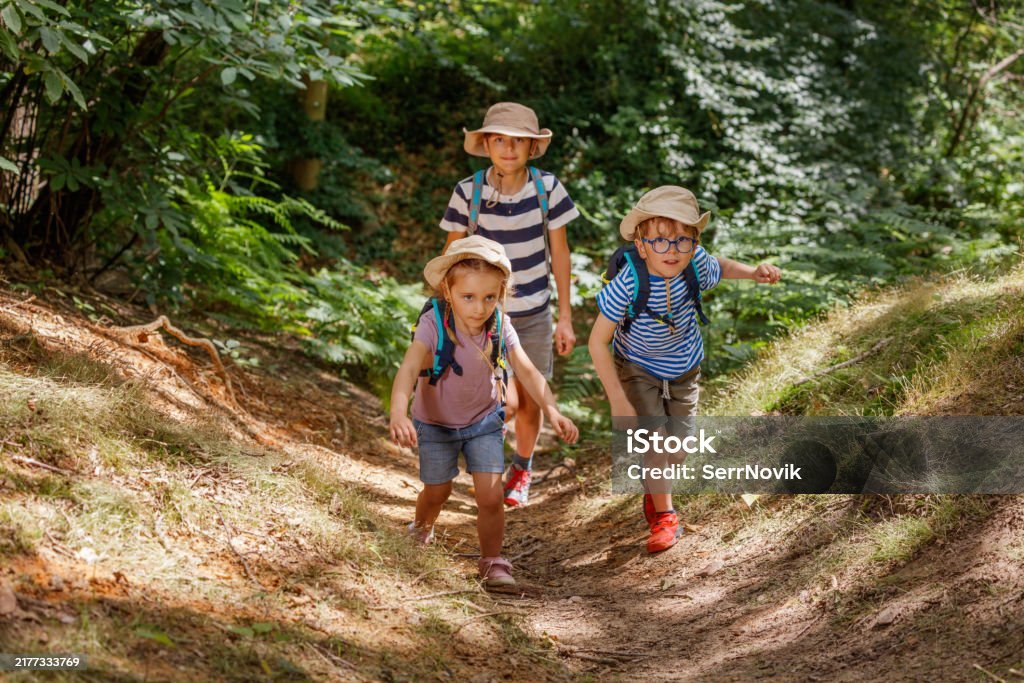
Not every park suits a toddler or a six-year-old. When we say “family-friendly,” we usually mean parks that offer most of these:
- Short, easy trails with rewards such as waterfalls, views, or wildlife
- Accessible viewpoints you can reach by car or a paved path
- Junior Ranger programs that turn learning into a game
- Visitor centers with exhibits, films, and helpful rangers
- Shuttles or well-marked roads that reduce driving stress
- Lodging and campgrounds close to the action
- Water play and picnic areas for hot days
- Safety features such as railings and boardwalks at major sights
Keep in mind that “young kids” means different things. A three-year-old might manage a 0.5-mile stroll, while a nine-year-old might happily walk 3 miles. Choose parks that fit your youngest child’s stamina.
Before You Go: Planning Tips That Work
Choose the Right Season
Summer is busy, but weather is usually stable, and roads are open. Late spring and early autumn are often the sweet spot: fewer crowds, comfortable temperatures. Winter can be magical in certain parks but comes with closures and cold.
Book Early
Lodging inside and near popular parks can sell out many months ahead. Campgrounds often open reservations on a rolling schedule. Set a reminder as soon as you know your dates.
Get the Junior Ranger Booklet
Almost every national park offers a free Junior Ranger program. Kids complete simple activities, attend a ranger talk, or explore a trail, then take an oath and earn a badge. It gives children a mission and turns a “boring” visitor center into a treasure hunt.
Plan Around Naps and Meals
Build your day around your children’s rhythm. An early morning start often means better light, thinner crowds, and cooler temperatures, followed by a rest or nap and a lighter afternoon.
Pack the Essentials
Layered clothing, sun protection, reusable water bottles, snacks, a first-aid kit, and a small day bag are non-negotiable. Our family camping checklist and our guide to the best travel gear for traveling with kids cover what to bring.
The Best National Parks for Families with Young Kids
1. Great Smoky Mountains National Park (Tennessee and North Carolina)
The Smokies are famous for misty ridges, rushing creeks, and diverse wildlife. For young kids, the park is easy to enjoy because so many highlights are close to the road.
Kid-friendly highlights
- Short forest walks and creek play areas
- Cades Cove loop drive for wildlife spotting and historic buildings
- Waterfalls with accessible trails
- The chance to see elk and deer at certain times of year
Good to know: The park has historically had no entrance fee but requires a parking tag, so check the current rules. It is also one of the busiest parks, so go early or mid-week.
Best for: Families who love scenery without heavy hiking
2. Acadia National Park (Maine)
Acadia mixes rocky coast, forested mountains, and charming seaside towns. Kids love the tide pools, the coastline, and the carriage roads, which are car-free gravel paths perfect for bikes and strollers.
Kid-friendly highlights
- Sand Beach and rocky shoreline exploration
- Easy loops around ponds
- Bike rides on carriage roads (with helmets, and with rentals available nearby)
- Sunrise or sunset views from accessible spots
Good to know: Summer weather can be cool, especially near the water, so bring layers. Popular areas may need vehicle reservations at certain times, so verify before you go.
Best for: Families who enjoy coastal exploring and easy biking
3. Yellowstone National Park (Wyoming, Montana, and Idaho)
Yellowstone feels like a giant science lesson. Erupting geysers, bubbling mud pots, and colorful hot springs fascinate children of all ages. Wildlife such as bison and elk is common.
Kid-friendly highlights
- Old Faithful and the surrounding boardwalks
- Wide, safe boardwalks at geyser basins
- Wildlife watching from the car or at safe distances
- Junior Ranger program with real ranger engagement
Good to know: Boardwalks exist for a reason. Thermal areas can be extremely dangerous, and children must stay on marked paths at all times. Keep a safe distance from wildlife, as animals can be unpredictable. Distances between sights are long, so limit how many you attempt per day.
Best for: Curious kids, ages five and up especially
4. Grand Canyon National Park (Arizona)
The sheer size of the Grand Canyon amazes everyone. For young children, the South Rim offers many accessible viewpoints, a shuttle system, and a paved rim path.
Kid-friendly highlights
- Rim Trail sections with wide paths and viewpoints
- Shuttle buses that hop between overlooks
- Visitor center exhibits and ranger talks
- Junior Ranger program
Good to know: The canyon has steep drop-offs, so holding hands and staying well back from edges is essential, especially with toddlers. Hiking down into the canyon is not recommended for young children, and heat can be intense in summer.
Best for: Families who want big views with minimal hiking
5. Zion National Park (Utah)
Zion’s towering red cliffs and river canyon feel like an adventure movie set. A shuttle system in the main canyon makes travel easy, and there are several gentle walks suited to children.
Kid-friendly highlights
- Riverside Walk, a paved and mostly flat path (check current conditions)
- Weeping Rock and other short trails
- Junior Ranger activities
- Splash spots in the river when conditions allow
Good to know: Flash floods and heat are real hazards in canyon country. Check weather and trail conditions with rangers. Avoid exposed, narrow, cliff-edge routes with young children.
Best for: Kids who like rocks, rivers, and easy walks
6. Rocky Mountain National Park (Colorado)
High peaks, alpine lakes, and abundant wildlife make Rocky Mountain National Park a dream for families. Scenic drives take you above the tree line without long hikes.
Kid-friendly highlights
- Short walks to mountain lakes
- Wildlife viewing, including elk in season
- Scenic drives with roadside views
- Ranger-led programs
Good to know: The park is at high altitude. Children and adults can experience headaches, tiredness, and nausea. Give your family a day or two to adjust, drink lots of water, and slow the pace. For more mountain ideas, see our guide to family-friendly mountain getaways.
Best for: Families ready for mountain scenery and wildlife
7. Shenandoah National Park (Virginia)
Shenandoah offers a gentle introduction to the mountains. Skyline Drive winds along the ridge with overlook after overlook, and many trails are short and family-friendly.
Kid-friendly highlights
- Skyline Drive scenic overlooks
- Short waterfall and forest walks
- Wildlife such as deer and, occasionally, black bears (from a distance)
- Easy access from Washington, D.C.
Good to know: Autumn colors draw large crowds, so plan early. Store food properly, since bears live in the area.
Best for: Relaxed weekend trips and first-time park visitors
8. Bryce Canyon National Park (Utah)
Bryce is famous for hoodoos, tall spires of rock that glow orange at sunrise. Kids often say it looks like a fairy-tale city made of stone.
Kid-friendly highlights
- Rim viewpoints with short walks
- Easy sections of trails along the rim
- Excellent stargazing on clear nights
- Ranger programs and Junior Ranger badges
Good to know: The park sits at high elevation, and nights can be cold even in summer. Descending into the amphitheater means a climb back up, so choose trails carefully with little legs.
Best for: Stargazing and short scenic walks
9. Glacier National Park (Montana)
Glacier’s turquoise lakes, jagged peaks, and wildflower meadows are unforgettable. Families can experience it through scenic drives, lakeside walks, and boat trips.
Kid-friendly highlights
- Lakes with gentle shoreline paths
- Boat tours on some lakes
- Short trails to viewpoints and waterfalls
- Wildlife such as mountain goats from a safe distance
Good to know: Weather changes quickly, and bears live in the region, so learn bear safety and carry bear spray if the rules recommend it. Access and reservations can vary, so check ahead.
Best for: Families ready for a big adventure and impressive scenery
10. Great Sand Dunes National Park (Colorado)
Imagine a giant sandbox with mountains as a backdrop. Kids love climbing, sliding, and splashing at this park.
Kid-friendly highlights
- Sand play and dune climbing
- Sand sledding or boarding using rental gear
- Seasonal creek that becomes a natural splash zone
- Excellent night skies
Good to know: Sand surfaces can be scorching in summer afternoons, so plan play in the morning or evening, and wear shoes. Bring lots of water.
Best for: Active kids who love free play
Easy Activities That Work in Almost Any Park
You do not need to hike far to enjoy a park. Try:
- Ranger programs: Talks, guided walks, and evening campfire programs are made for families.
- Junior Ranger badges: They are free and encourage curiosity.
- Scenic drives: Turn the car into a viewing platform with regular stops.
- Picnics: A picnic with a view beats a restaurant.
- Wildlife spotting: Keep a checklist and stay far back.
- Stargazing: National parks are often among the darkest places you can visit.
- Nature journaling: Sketch a leaf, list animal tracks, collect memories.
If you want to try longer walks, our guide on how to plan a family hiking trip offers a practical approach.
[Add your own story here: a short memory of a ranger, a wildlife sighting, or a moment at a park with your children.]
Park Rules Every Family Should Teach Kids
A quick conversation at the trailhead helps everyone enjoy the park and stay safe.
- Stay on trails and boardwalks. This protects fragile plants and prevents accidents.
- Never approach wildlife. Even animals that look calm can be dangerous. Keep a large distance and never feed them.
- Pack out what you pack in. Leave no trace.
- Do not pick plants or take rocks or artifacts. Take photos instead.
- Stay within sight. Children should stay close, especially near cliffs and water.
- Watch the weather. Storms, heat, and cold can change plans quickly.
For a more detailed safety plan, read our guide to family travel safety tips.
Where to Stay: Camping, Lodges, or Nearby Towns
Inside the Park
Lodges and campgrounds put you close to the sights and let you enjoy early mornings and evenings when crowds thin. They also book up first.
Camping
Family camping gives kids freedom to explore and helps control costs. Choose a campground with restrooms and, if possible, showers. Read our family camping checklist before you go.
Gateway Towns
Nearby towns offer a wider variety of hotels, restaurants, and shops. You may drive a bit each day, but you will often have more choices and, sometimes, better prices.
A Sample Three-Day National Park Plan for Young Kids
Day 1: Arrival and Easy Exploring
- Arrive by mid-morning, check in, and picnic
- Visit the main visitor center and get Junior Ranger booklets
- Take one short, easy walk
- Early dinner and bedtime
Day 2: The Big Day
- Early start for the main attraction
- Snack breaks every hour
- Midday rest or nap
- Afternoon ranger program or splash time
Day 3: Slow and Scenic
- Scenic drive with stops
- Junior Ranger badge ceremony
- Picnic lunch
- Head home or move on
Notice how each day includes only one main activity. Young children get overwhelmed easily, and slow days lead to happier trips.
Budgeting for Park Visits
- Check entrance fees and pass options on the official park service website
- Consider an annual pass if you plan several park visits
- Bring your own food and water
- Use free ranger programs and visitor centers
- Look for free entrance days published by the park service
Our guide to budget-friendly family road trip ideas shows how to link several parks on a single affordable route.
Common Mistakes to Avoid
- Trying to see too much. Choose fewer stops and spend more time at each.
- Ignoring altitude and heat. Both affect kids more than adults expect.
- Starting late. Popular trails and parking lots fill up early.
- Skipping reservations. Some parks require timed entry or reservations at busy times.
- Forgetting water and snacks. Always carry more than you think you need.
- Underestimating driving time. Park roads are slow, and distances can be long.
Frequently Asked Questions
What Is the Best National Park for Toddlers?
Parks with short, flat paths and accessible viewpoints are best. Great Smoky Mountains, Acadia’s carriage roads, and Grand Canyon’s rim trail are popular choices. Focus on stroller-friendly and paved areas.
At What Age Should Kids Start Visiting National Parks?
Any age, as long as you plan around their needs. Babies can enjoy scenic drives and short walks in a carrier, while toddlers do well with short trails and lots of breaks.
Are National Parks Safe for Kids?
Yes, with supervision and preparation. Stay on marked paths, keep children close near edges and water, respect wildlife, and check weather and trail conditions.
What Is the Junior Ranger Program?
It is a free activity program offered at many national parks where children complete activities, learn about the park, and earn a badge or certificate.
How Many Days Do We Need at a National Park with Kids?
Two to three days is a good starting point for most parks. That gives you time to enjoy the highlights without rushing.
What Is the Best Time to Visit National Parks with Children?
Late spring and early autumn are often ideal for weather and crowds, though this varies by park. Summer offers the widest range of activities but is the busiest.
Final Thoughts
A national park trip does not need to be strenuous to be memorable. With the right park, a flexible plan, and a few small adventures, your kids can come home with a badge, dirty shoes, and stories they retell for years. Start with one park that suits your youngest child’s stamina, and build from there.
Ready to plan the next step? Explore family-friendly mountain getaways for more scenic options, or revisit our roundup of the best family vacations in the U.S. for more inspiration.
Pingback: Plan a Family Vacation on a Budget: 12 Steps to Save
Pingback: Grand Canyon With Kids: 15 Parent Questions Answered
Pingback: Free Things to Do in National Parks With Kids (30 Ideas)
Pingback: Best Beach Vacations in the U.S. for Families: 10 Picks
Pingback: First-Time Family Camping: A Complete Beginner's Guide