Packing for a family road trip is a balancing act. Pack too little, and you are buying diapers at a gas station. Pack too much, and you cannot see out of the back window. The best family road trip packing list covers the essentials, keeps the things you need during the drive within reach, and leaves room for souvenirs.
This guide gives you a complete checklist: documents and money, clothing, kids’ items, food and drinks, entertainment, the car safety kit, hotel and overnight items, health and safety supplies,s and a plan for packing the car smartly. It also covers add-ons for babies and toddlers, and what not to bring. For more trip planning, see our guide to budget-friendly family road trip ideas.
Quick answer: what should you pack for a family road trip? Pack documents and money, a few outfits per person, kids’ comfort items, snacks and water, entertainment, a first-aid kit, a roadside emergency kit, chargers and phone mounts, hotel essentials and a separate “easy access” bag for the car. Use bins or packing cubes, and keep drive-time items within reach.
Before You Pack: Check the Car
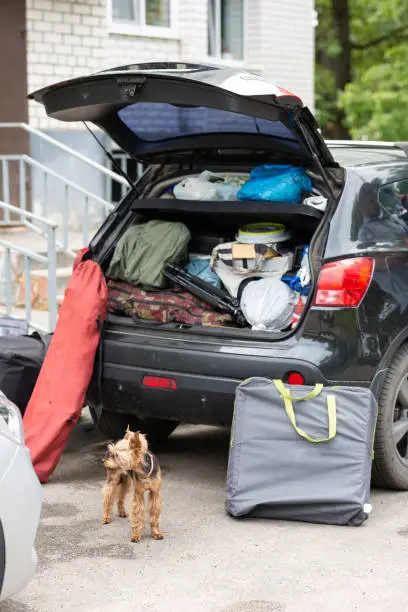
A road trip starts with a safe car.
- Tires: check pressure and tread, and the spare tire.
- Oil and fluids: check oil, coolant, brake fluid, id and windshield washer fluid.
- Brakes, lights, and wipers: make sure they work.
- Battery: have it tested if it is old.
- Car seats: check that they are properly installed. The NHTSA car seat guidance helps you check.
- Service: schedule a check-up before a long trip.
Packing Strategy: How to Pack Smart
- Make a list first, and check it off as you pack.
- Pack in categories: use bins, packing cubes, or bags for clothes, bathroom items, snacks, and toys.
- Create two bags: a trunk bag for the hotel, and an easy-access bag for the car.
- Pack the car in reverse order, with things you need last at the bottom.
- Keep heavy items low and near the center of the car.
- Do not block the driver’s view or the rear window.
- Do not pack loose hard objects in the passenger area, since they can be dangerous in a crash.
- Do not pack more than you need. Wash clothes mid-trip if you can.
Documents and Money
- Driver’s licenses and IDs
- Car registration and insurance cards
- Health insurance cards and a list of children’s medicines and allergies
- Hotel and campground reservations (printed or downloaded)
- Passports, if you will cross a border
- Cash and credit cards, with small bills and coins for tolls and parking
- Emergency contacts and a roadside assistance number
- Toll transponder or pass, if you use one
- A park pass or tickets, if you plan to visit parks or attractions
Clothing
Pack for the weather and the days, not for “just in case.”
- Outfits: about one outfit per day, plus two extra for kids
- Layers: a fleece or sweatshirt and a rain jacket for everyone
- Underwear and socks: a few extra pairs
- Pajamas
- Swimsuits and quick-dry towels, if you will swim
- Sturdy walking shoes, sandals, and spare shoes
- Hats, sunglasses and gloves, depending on the season
- A laundry bag for dirty clothes
Choose clothes that mix and match, and avoid items that wrinkle or need special care. For gear ideas, see our guide to the best travel gear for kids.
Kids’ Essentials
- Comfort items, such as a favorite blanket or stuffed animal
- Travel pillows and small blankets
- A change of clothes within reach in the car
- Sick bags and wipes in case of car sickness. See our guide on car sickness in kids.
- Sunshades for the car windows
- Seat-back organizers for storage
- A small trash bin or bag for the car
- Headphones, child-safe, for audio
- Water bottles for each child
Toddler and Baby Add-Ons
If you are traveling with little ones, add:
- Diapers and wipes, with extra for delays
- A changing mat and diaper cream
- A portable potty, if your toddler is potty training
- Bottles, formula, or baby food
- A portable crib or play yard for overnight stays
- A baby carrier for rest stops
- A sound machine or phone app for sleep
- A baby thermometer and infant medicine, as advised by your doctor
For more tips on toddlers, see our guide to surviving a long car ride with a toddler.
Food and Drinks
- A cooler with ice packs for perishable items
- Water bottles for everyone, and refill them at stops
- Snacks: crackers, fruit, cheese sticks, pretzels, granola bars, and cereal. See our guide to road trip snacks for kids.
- Napkins, wipes, and paper towels
- Reusable utensils and a small trash bag
- A picnic blanket for rest stops
- A small stove or kettle, if you cook in your hotel or campsite
- Allergy-safe foods and medicines, if needed
Entertainment
- Games and activities: sticker books, magnetic games, cards and coloring books. For ideas, see our guide to road trip games for kids.
- Audio: audiobooks, music and podcasts, downloaded in advance
- A tablet or phone with downloaded shows, as a backup
- Books and a travel journal
- A surprise bag with small wrapped items
- A deck of cards and small travel games
- A camera, if you do not use your phone
Tech and Navigation
- Phone chargers, a car charger, er and a power bank
- A phone mount
- Offline maps downloaded for areas with weak service
- A paper map or atlas, as backup
- A tablet stand for passengers
- Headphones and adapters
- A GPS or navigation app, with plans set before you drive
Health and Safety Kit
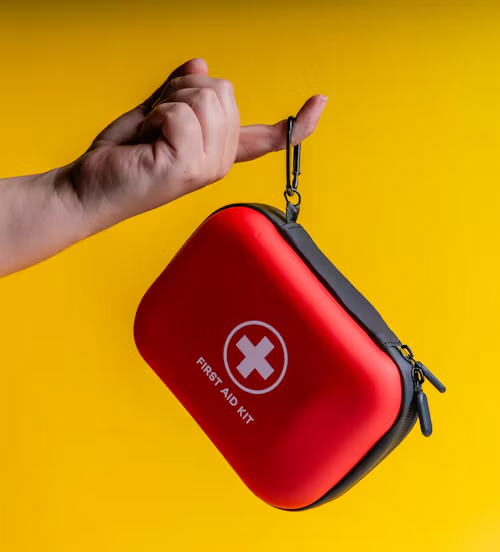
- First-aid kit: bandages, antiseptic wipes, tweezers, gauze, tape and pain relief
- Prescription and children’s medicines, in their original containers
- A thermometer
- Allergy medicine and an epinephrine auto-injector, if prescribed
- Hand sanitizer and wet wipes
- Sunscreen and insect repellent suitable for your children
- Motion sickness remedies, as advised by your doctor
- Face masks and a small supply of tissues
Our family travel safety tips include more safety advice, and the American Academy of Pediatrics’ HealthyChildren.org has guidance on children’s health on the road.
Roadside Emergency Kit
Every car should carry a basic emergency kit, especially on long trips.
- Jumper cables or a portable jump starter
- A flashlight and spare batteries
- A first-aid kit
- A blanket and warm clothing
- Water and non-perishable snacks
- A tire pressure gauge, a tire inflator, tor or tire tire a repair kit
- A spare tire, jack and lug wrench
- Reflective triangles or flares
- A multi-tool and duct tape
- A phone charger
- Rain ponchos and gloves
- A small shovel and traction mat, in snowy conditions
Hotel and Overnight Items

- A small overnight bag for each night so you do not unpack the whole car
- Toiletries, including toothbrushes, toothpaste,hpaste and shampoo
- Medications and chargers
- Pajamas and a change of clothes
- A night light
- A white noise machine or app
- A laundry kit, with detergent pods and quarters, if needed
If your trip includes camping, see our family camping checklist for the full camping list.
What Not to Pack
- Valuables you cannot afford to lose
- Duplicates of items you can buy on the road
- Bulky toys that will not be used
- Heavy or hard items loose in the cabin
- Too many shoes
- Food that spoils quickly without a cooler
- “Just in case” outfits you will never wear
Day-Before Checklist
- Car checked, serviced and cleaned
- Fuel tank at least half full
- Car seats installed and checked
- Bags packed and loaded
- Cooler packed with ice
- Phones, chargers and power banks charged
- Maps downloaded and route planned
- Hotel reservations confirmed
- House locked, thermostat set, and mail held
- Emergency contacts shared with someone at home
Packing Hacks for Families
- Use packing cubes and color-code them by person.
- Roll clothes to save space.
- Keep a “last-night” bag with pajamas and toiletries for the hotel.
- Use a hanging shoe organizer on the back of a seat as storage.
- Pack snack bags in advance, one for each child.
- Put medicines and valuables in a small bag you can carry.
- Take a photo of your packed car so you remember where things are.
- Leave room for souvenirs and the trip home.
Common Packing Mistakes

- Overpacking. A smaller load is easier on everyone.
- Burying items you need during the drive.
- Forgetting chargers and cables.
- Skipping the emergency kit.
- Packing too few snacks and drinks.
- Not checking the weather. Pack layers.
- Forgetting a change of clothes for kids.
- Not separating a hotel bag from the trunk.
Frequently Asked Questions
What should I pack for a family road trip?
Documents, clothes, kids’ comfort items, snacks and water, entertainment, a first-aid kit, a roadside emergency kit, chargers, hotel essentials, and an easy-access bag for the car.
How do you pack a car for a road trip with kids?
Pack in bins or packing cubes, load heavy items low and centered, keep the driver’s view clear, keep an easy-access bag in the cab, and keep hard objects out of the passenger area.
What snacks should I pack for a road trip?
Soft, low-mess foods like fruit, cheese sticks, crackers, pretzels, and cereal, with plenty of water. See our list of road trip snacks for kids.
What should be in a car emergency kit?
Jumper cables, a flashlight, a first-aid kit, a blanket, water, tire tools, reflective triangles, a phone charger, and a multi-tool.
How many clothes should I pack for a road trip?
About one outfit per day plus a few extras for kids, and layers for changing weather. Plan to wash clothes mid-trip on longer journeys.
What should I pack in the car for the drive itself?
Snacks, water, wipes, a trash bag, entertainment, a spare outfit for kids, chargers, sick bags, and a first-aid kit, all within easy reach.
Final Thoughts
A good packing list gives you peace of mind. Start with the car, build your list by category, pack smart,t and keep the items you need on the road within reach. Your trip will be smoother, youwilliwwill be easiermaneasier to manageou will spend less time hunting for a missing sock and more time enjoying the drive.
Ready for your next trip? Read our guide to budget-friendly family road trip ideas, try our road trip games for kids,s or browse the best family vacations in the U.S. for destinations worth the drive.
Pingback: How to Pack Light for a Family Trip: Smart Tips That Work