Few things make a child prouder than raising their right hand, promising to protect a national park,k and walking away with a real badge. That is the heart of the Junior Ranger program, one of the best ideas in family travel. It turns a day at a park into a mission, a booklet into a treasure map, and a visitor center into the place kids actually want to go.
This guide explains how the Junior Ranger program works: what it is, who it is for, how much it costs, how to earn a badge step by step, what the activities look like, how to earn badges online or by mail, and how to get the most out of the program with kids of different ages. If you are still choosing a park, start with our list of the best national parks for families with young kids.
Quick answer: what is the Junior Ranger program? It is a free or low-cost educational program run by the National Park Service and at many individual parks and historic sites. Kids pick up an activity booklet at the visitor center, complete age-appropriate activities, show their work to a park ranger and get sworn in as a Junior Ranger, usually with a badge or patch. It is generally aimed at ages 5 to 13, but many parks welcome anyone.
What Is the Junior Ranger Program?
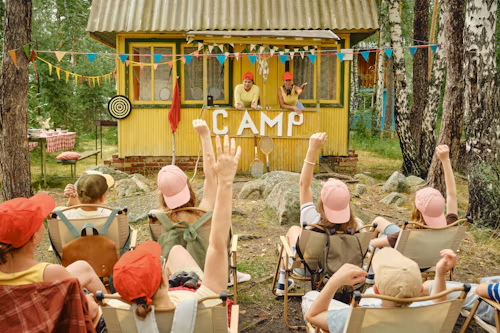
The Junior Ranger program is an activity-based program that helps kids learn about a park’s nature, history,y and culture. More than 200 parks and sites in the National Park Service system offer their own Junior Ranger programs, and each one has its own booklet and its own badge or patch. That means a trip to Yellowstone and a trip to a small historic site will each earn a different keepsake.
The idea is simple: instead of walking through a park and getting bored, kids complete activities connected to what they are seeing. Younger children might draw an animal or find a leaf, while older kids answer questions, attend a ranger talk, or hike a short trail.
Who Can Be a Junior Ranger?
Each park sets its own guidelines, so always check the booklet or the park’s official page. As a general rule:
- Ages 5 to 13ares the age range often listed by the National Park Service.
- Some parks welcome younger children. Yellowstone, for example, has described its program as being for ages 4 and above.
- Adults can take part too. Many parks say that anyone of any age can earn a Junior Ranger badge, which makes it a fun activity for the whole family.
- Younger kids complete fewer activities, and older kids complete more or harder ones.
If your toddler is too young for the booklet, they can still join in by coloring, spotting animals, or helping an older sibling.
How Much Does It Cost?
At most parks, the Junior Ranger booklet is free, and you receive the badge when you finish. A few parks sell a booklet or a special badge for a small fee, and some charge for extra programs, so check the park’s official page or ask at the visitor center. The National Park Service website lists programs at each park. You still need to pay the park’s entrance fee if one applies, so see our guide on budget-friendly family road trip ideas for ways to keep trip costs under control.
How to Become a Junior Ranger: Step by Step
- Visit the visitor center. Ask for the Junior Ranger activity booklet as soon as you arrive. Many parks also let you download it first.
- Read the instructions. The booklet tells you how many activities to complete, based on age, and which ones are required.
- Complete the activities. These might include ranger programs, short walks, observation games, drawing, puzzles, and questions about the park.
- Attend a ranger-led program if one is required. Many booklets ask kids to join at least one talk or walk.
- Return the booklet to a ranger. The ranger checks the work, asks the child a few questions, and signs the book.
- Take the oath. The ranger swears in your child as an official Junior Ranger, usually with a promise to protect the park and learn about nature and history.
- Get the badge or patch. Many families take a photo, and some parks let kids pin the badge on right away.
Allow plenty of time. The activities fit around your normal sightseeing, but finishing a booklet can take a day or longer, and some parks have limited hours at the desk.
What Kinds of Activities Are in the Booklet?

Every park designs its own booklet, but you will often see tasks like these:
- Attend a ranger program such as a talk, a guided walk,k or a campfire program
- Walk a short trail or boardwalk and answer questions about what you saw
- Look and listen: sit quietly and write down sounds and sights
- Draw or sketch: a plant, an animal, a rock formation or a landscape
- Wildlife safety: learn how far to stay from animals and why
- Find items: a scavenger hunt for plants, tracks, rocks, or signs
- Learn the history: answer questions about the people and events connected to the park
- Leave No Trace: learn how to protect the park, and what to do with trash
- Create something: write a poem, make a plan or invent a slogan
For example, Yellowstone’s booklet has included requirements like attending a ranger program and hiking a park trail or boardwalk, plus activities such as predicting an Old Faithful eruption time. Check the park’s official page at nps.gov/yell for the current version.
Junior Ranger Programs Online, by Mail and Virtually
You do not always need to be at the park to take part.
- Printable booklets. Many parks let you download the booklet from their website, so you can start planning before you go.
- Virtual and online programs. Some parks offer a virtual Junior Ranger program that you can complete from home. For example, one park’s virtual program asks kids ages 5 to 7 to complete two activities, ages 8 to 10 to complete three, and kids over 10 to complete four or more, though each park sets its own rules.
- Mail-in programs. Some sites will email or mail a booklet, and then send a badge after you mail the finished work back. Others do not mail badges, so check first.
- Online experiences. The National Park Service has also offered online activities for kids, such as web-based games and quizzes, and some parks offer a Junior Ranger experience for people who cannot visit.
Because these options vary, check the official page of the park you want to join.
Beyond National Parks: Where Else Can You Be a Junior Ranger?
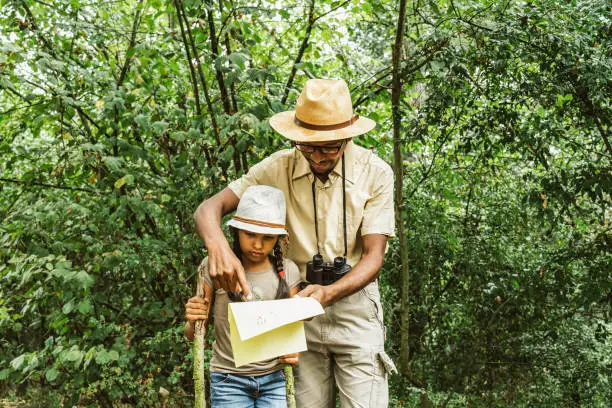
Junior Ranger programs are not limited to famous parks. They also run at many:
- National monuments and historic sites
- National seashores and lakeshores
- National battlefields and memorials
- Some national forests, state parks,rks and other public lands, which have their own versions
This makes it easy to collect badges close to home, not just on big vacations. A nearby historic site can be a great weekend adventure.
Tips to Get the Most From the Junior Ranger Program
Before you go
- Choose parks that match your kids’ ages. Our guide to the best national parks for families with young kids highlights parks with kid-friendly activities.
- Download the booklet early. Kids can read it, circle things they want to see, and get excited.
- Check ranger program times. Many require you to attend a talk or walk, and schedules vary by season.
- Bring a pencil, a clipboard, a board,d and a small backpack.
- Plan your timing. Visit the visitor center early in the day, so you have time to finish.
At the park
- Start at the visitor center. Pick up the booklet and ask the ranger which activities are easiest to complete in your plan.
- Do activities as you go. Kids learn more when they complete a page right after seeing the feature.
- Let kids lead. Let them choose which activity to do next.
- Help without doing it for them. Younger children may need you to write or read.
- Combine with hikes. Short walks are perfect for booklet activities. Our guide to how to get kids to like hiking shares more ways to keep kids motivated on the trail.
- Do not rush. If you run short of time, ask whether the park lets you mail the booklet back or finish later.
After the visit
- Keep a Junior Ranger collection. A binder, a vest, st or a wall display of badges and booklets is a great keepsake.
- Mark parks on a map. Kids can color in each park they have visited.
- Share the story. Ask your child to tell a friend or teach a sibling something they learned.
How to Make It Work for Different Ages
Toddlers and preschoolers
Most booklets are too hard for them, but they can enjoy ranger programs, stamp animal spotting, and coloring pages. If a park offers a program for younger visitors, join in.
Ages 5 to 8
This is the perfect age. They love the badges, the oath,h and the scavenger-style activities. Help with reading and writing, and let them do the hands-on parts.
Ages 9 to 13
Older kids can complete more advanced activities and enjoy deeper topics, like geology, wildlife behavior, and history. Give them more independence, and let them lead the family on the trail.
Teens and adults
Many parks welcome teens and adults. Some have special programs, such as “Junior Ranger Plus,” ranger volunteer opportunities, or citizen science projects. Check with the park.
Combine Junior Ranger With Camping
Camping at a national park makes the Junior Ranger program even more fun. Campfire programs, evening ranger talks, and early morning walks fit naturally into the booklet. If you plan to camp, see our first-time family camping guide and our family camping checklist. Many park campgrounds can be reserved through Recreation.gov, and popular ones fill up months ahead.
Safety and Respect for the Park
Junior Ranger activities teach kids to protect themselves and the park. Reinforce these basics:
- Stay on trails and boardwalks. Thermal areas, cliffs, and rivers can be dangerous. Our family travel safety tips cover more.
- Keep your distance from wildlife. In many national parks, the rule is at least 100 yards from bears and wolves and 25 yards from other wildlife, but check the specific park rules.
- Never feed animals.
- Pack out trash and follow Leave No Trace. The Leave No Trace Center offers simple principles for families.
- Check the weather. Use the National Weather Service before you go.
- Carry water, snacks, sun protection, and layers. See our guide to the best travel gear for kids.
Junior Ranger at Yellowstone and Other Popular Parks
Some of the busiest parks have especially well-known programs. At Yellowstone, the program is available at visitor centers, includes activities like attending a ranger-led program and walking a boardwalk or trail, and has special extensions for older kids and winter visitors. See our full guide on Yellowstone with kids for how to plan around geysers and wildlife.
Not every park is equally busy, and the best time to visit can make the program easier because ranger programs are more frequent and lines are shorter. Our guide on the best time to visit national parks with kids explains how to choose the season.
Common Mistakes With the Junior Ranger Program
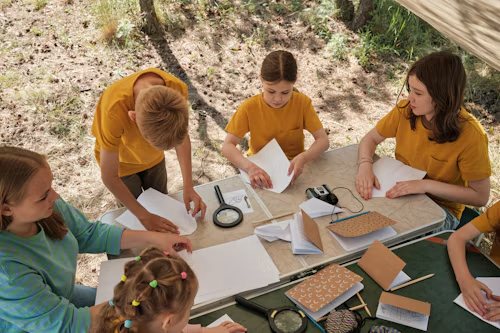
- Waiting until the end of the trip. Start early, so you have time to finish.
- Rushing the activities. The learning is the point, not just the badge.
- Doing it for the kids. Let them try, even when it is messy.
- Missing ranger program times. Check schedules, since some activities require attendance.
- Forgetting the booklet. Keep it in a daypack so you do not lose it.
- Not checking for age or fee differences. Each park is different.
- Skipping the oath. The ceremony is the best part for many kids.
Frequently Asked Questions
What is the Junior Ranger program?
It is an educational program offered by the National Park Service and many individual parks. Kids complete activities in a booklet, show their work to a ranger, and earn a Junior Ranger badge or patch.
Is the Junior Ranger program free?
At most parks,parksparks rks the booklet is free, and you pay only the entrance fee if one applies. A few parks charge for a booklet or a special badge, so check the park’s official page.
What age is the Junior Ranger program for?
The National Park Service generally lists ages 5 to 13, but many parks welcome younger children and adults. Each park sets its own guidelines.
Can you do the Junior Ranger program online?
Some parks offer virtual or online options, and some will mail or email booklets. Others require a visit, so check each park’s official page.
How long does it take to earn a Junior Ranger badge?
It varies by park and age. Some can be finished in a few hours, while others take a full day or more, especially if you need to attend a ranger program.
Do you have to visit the park to be a Junior Ranger?
Usually yes, but some parks have virtual or mail-in programs that let you earn a badge without visiting.
Can adults be Junior Rangers?
Many parks say anyone can earn a Junior Ranger badge. It is a fun way to learn about a park, and kids love to see their parents take part.
Where can I find Junior Ranger programs?
Look on the National Park Service website for each park, or ask at the visitor center. Programs are available at more than 200 parks and sites.
Final Thoughts
The Junior Ranger program is more than a badge. It turns passive sightseeing into curiosity, gives kids a reason to look closely, and builds a habit of caring for wild places. Pick up a booklet at your next park, let your child lead, and keep their badges as a record of where your family has been. The collection grows quickly, and so does their love of the outdoors.
Ready to plan a trip? Browse the best family vacations in the U.S. or read our guide to the best national parks for families with young kids to choose where to earn your next badge.
Pingback: Free Things to Do in National Parks With Kids (30 Ideas)