If your kid has ever collapsed on a trail ten minutes in and announced they were “dying of thirst, boredom, and walking,” you are in good company. Almost every parent who loves the outdoors has been there.
The good news: kids are not born hating hiking. They hate being dragged. When a hike feels like an adventure they own, the attitude changes fast. This guide covers what has worked for many families, in plain steps you can try this weekend.
Why Kids Complain About Hiking (and What It Really Means)
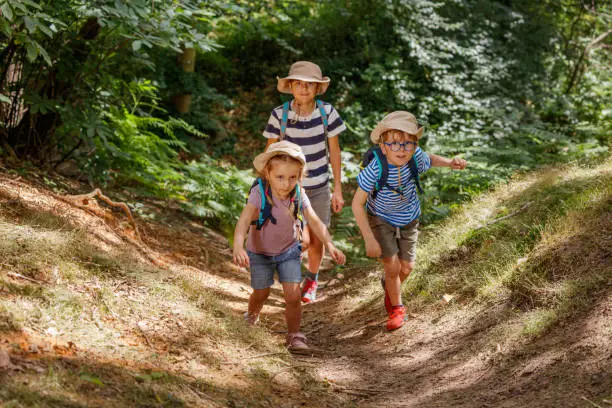
Before fixing the problem, it helps to understand it. A child’s complaint is rarely about the trail itself.
They Are Tired Faster Than You Think
Short legs take far more steps than yours. A mile that feels easy to an adult can feel like three to a six-year-old. Plan around their pace, not yours.
They Are Bored
Trees look similar after a while. Without something to look for, do, or reach, a trail becomes a long, quiet walk to nowhere.
They Feel No Control
When an adult decides where, when, and how long, kids push back. Giving them even small choices changes the mood completely.
Before You Leave: Set the Hike Up for Success
Most good hikes are won before you reach the trailhead.
Pick the Right Trail
Choose a short loop, around one to two miles for young kids, with something at the end: a waterfall, a creek, a viewpoint, a lake. A clear reward gives them a reason to keep moving. If you need ideas, our guide to the best family friendly hikes in the USA lists easy trails that work well for children.
Let Them Help Plan
Show your child two or three trail photos and let them vote. Let them pack their own small backpack with a water bottle, a snack, and one toy or notebook. Kids who help plan are far less likely to complain about the result.
Dress for Comfort, Not Style
Wrong shoes, itchy socks, or a too-hot jacket can ruin a hike in minutes. Check these basics:
- Comfortable, broken-in shoes with good grip
- Moisture-wicking layers instead of cotton
- A hat and sunscreen
- A spare pair of socks in the bag
A Small Tip on Socks
Wet or bunched-up socks cause blisters, and one blister can end a hike for good. Pack a spare pair and swap them at the halfway point.
12 Ways to Make Hiking Fun for Kids
1. Turn the Trail Into a Treasure Hunt
Give them a short list: a pinecone, a feather, a red leaf, a smooth stone. Checking items off keeps their eyes up and their feet moving. Remind them to leave natural things where they find them, or take only photos.
2. Play Trail Games
Simple games need no gear. Try “I Spy,” animal track spotting, or a quiet-walk challenge where the first person to hear a bird wins.
3. Give Them a Job
Let your child be the trail leader, the map reader, or the snack manager. A role makes them feel important instead of dragged along.
4. Bring the Right Snacks
Snacks are the most powerful hiking tool there is. Pack small treats and hand them out at set points, like “snack at the next big rock.”
Easy Snack Ideas
- Trail mix with a few chocolate pieces
- Cheese sticks and crackers
- Dried fruit or fruit pouches
- Peanut butter sandwiches cut into small squares
5. Let Them Take Photos
Hand over an old phone or a cheap kid-friendly camera. Looking for photo-worthy things changes how kids see the trail. You will also get a fun album of the day from their point of view.
6. Stop Often, and Without Guilt
Rest breaks are not failure. Stop to look at bugs, throw stones in a creek, or just sit. The trail does not need to be finished quickly to count.
7. Bring a Friend
A hiking buddy turns the walk into a social outing. Kids walk farther and complain less when a friend is beside them.
8. Use Junior Ranger Programs
Many national parks offer free activity booklets where kids earn a badge by completing nature tasks. It gives the hike a goal beyond walking. You can learn more about the program on the National Park Service kids page.
9. Tell Stories on the Trail
Make up a story about the forest: a hidden gnome village, a dragon sleeping under the mountain. Let your child add the next part. Time passes much faster when there is a story.
10. Keep the Pace Kid-Led
Let your child set the speed. If they want to stop and examine a slug for five minutes, let them. Their curiosity is the whole point.
11. Celebrate the Finish
End with something they look forward to: an ice cream, a picnic lunch, or a high-five and a sticker chart. A good ending is what they remember and ask to repeat.
12. Start Small and Build Up
Begin with a thirty-minute walk, then an hour, then a half-day trail. Success on easy hikes builds the confidence that makes harder ones possible later.
What to Do When Your Child Refuses to Keep Walking
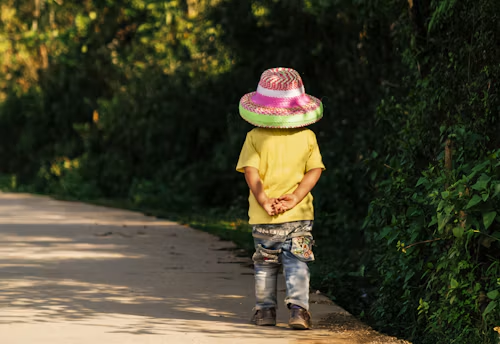
It will happen at some point. Here is how to handle it calmly.
Check the Basics First
Is your child hungry, thirsty, too hot, or in pain? Fix the physical issue before anything else. Most meltdowns come from one of these.
Change the Game, Not the Rules
Instead of “keep walking,” try “let’s see who can walk like a bear to the next tree.” A silly change in rhythm often breaks the bad mood.
Know When to Turn Back
Sometimes the best choice is to head home and try again another day. Ending on a calm note keeps hiking something they want to do again, which matters more than reaching the summit.
Safety Basics for Hiking With Kids
A fun hike is also a safe one. Keep these essentials in mind:
- Carry plenty of water and drink before anyone feels thirsty
- Teach kids to stay on the trail and stay within sight
- Give each child a whistle and explain it is for emergencies only
- Pack a small first aid kit with bandages and blister pads
- Check the weather and trail conditions before you go
If you want to take things further, our beginner’s guide to backpacking with kids shows how to move from day hikes to overnight trips once your child is ready.
Frequently Asked Questions
At What Age Can Kids Start Hiking?
Most children can enjoy short, easy trails from a toddler age if they are carried when tired. Many kids can walk one to two miles on their own by age four or five, and longer distances as they grow.
How Long Should a Hike With Kids Be?
A good rule is about one mile for each year of age up to a few miles, with plenty of stops. Always plan the distance around the child’s energy, not the clock.
What If My Child Says Hiking Is Boring?
Try adding a purpose: a treasure hunt, a photo mission, or a destination with a reward. Boredom usually means there is not enough to look for or do, and that is easy to fix.
Should I Bribe My Kids to Keep Hiking?
Small rewards like snacks or a treat at the end are fine and work well. The aim is to build positive memories, and treats are a simple way to do that while the real enjoyment grows.
Final Thoughts
Getting kids to like hiking is not about forcing miles. It is about making the outdoors feel like an adventure they chose. Keep trails short, bring snacks, let them lead, and celebrate the small wins.
The first few hikes may be slow and noisy, but a child who learns to love the trail will carry that habit for life. Pick an easy trail this weekend, pack a treasure list, and see what happens.
Which trick will you try first? Tell us in the comments below.