Adventure and children can absolutely go together. A zip line through the trees, a gentle river float, or a sunset horseback ride can become the story your kids tell for years. The real question is not whether kids can enjoy adventure. It is which activities are safe, at what age, and how to pick a good operator.
This guide covers 12 adventure activities that are safe for kids when done properly, with age guidance, gear tips,s and safety notes. You will also find a simple checklist for choosing a reputable provider. If you are still planning your trip, our best family vacations in the U.S. list is a great place to start.
Important: Every child is different, and age and weight requirements vary by operator, location, and season. Always follow the provider’s rules, use the correct safety gear, and talk to your child’s doctor if you have any health concerns.
What Makes an Adventure Activity “Kid-Safe”?
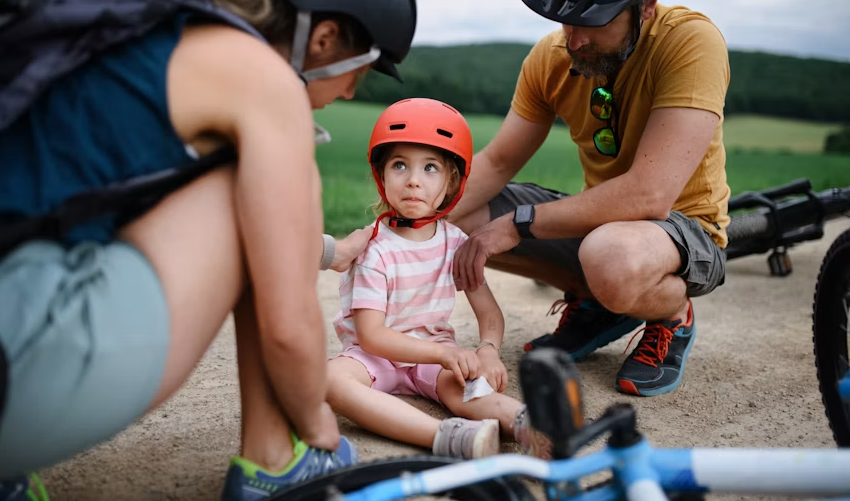
Safe does not mean risk-free. It means the risks are understood, managed,d and appropriate for a child’s age, size, and ability. A kid-safe activity usually has:
- Clear age, height and weight limits
- Trained, experienced guides or staff
- Well-maintained, properly sized safety gear
- A safety briefing before the activity
- Small group sizes or good supervision
- Emergency plans and first-aid support
- Controlled conditions (calm water, marked routes, managed courses)
If an operator cannot explain these things clearly, choose another one.
How to Choose a Safe Adventure Operator
Use this checklist before you book anything.
- Read reviews from recent family customers and what they say about safety and guides.
- Check licenses and permits. Many outdoor operators need permits or certifications, especially on public land and waterways.
- Ask about guide training and qualifications, such as first-aid and rescue training.
- Ask about age and weight rules, and be honest about your child’s size.
- Ask what gear is provided and how it is inspected and maintained.
- Ask about group size and the guide-to-guest ratio.
- Ask about weather and cancellations. A good operator cancels when conditions are unsafe.
- Ask for a safety briefing and watch whether they take it seriously.
- Check insurance and refund policies.
- Trust your instincts. If it feels rushed, careless, or overcrowded, walk away.
Our guide to family travel safety tips explains general outdoor safety in more detail.
A Road Trip Moment Every Parent Will Recognize
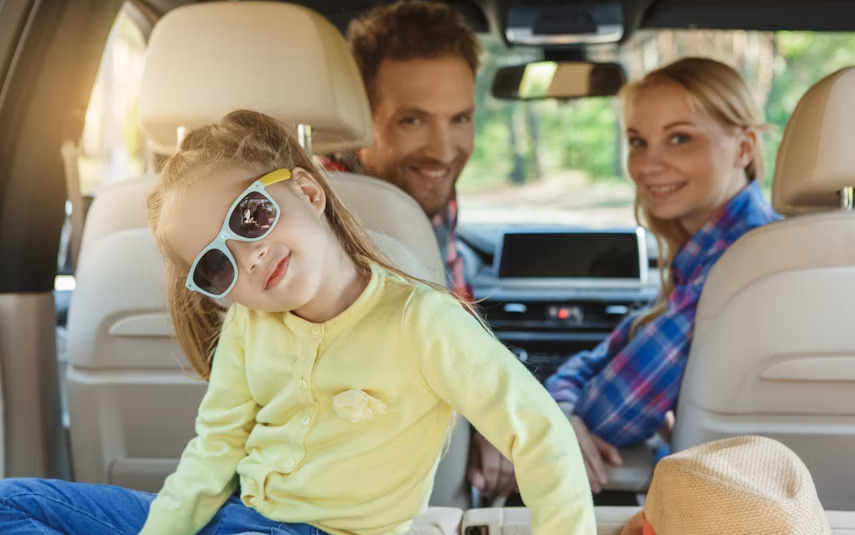
Picture a family of four somewhere on day three of a road trip. The car smells faintly of oranges and old crackers. The youngest is asleep with a sticky cheek pressed against the window, and the older one has just asked, for the ninth time, “How much longer?”
The parents have a choice. They can push on for another hour and hope for the best, or they can do what experienced road trippers do: pull over before the meltdown.
So they spot a small roadside park on the map, nothing fancy, just a patch of grass, a rusty slide and a picnic table under a tree. Out come the cooler, a loaf of bread, sliced cheese, and a bag of apples. Twenty minutes later, the kids have raced each other to the fence and back, everyone has eaten lunch for less than the price of a single fast-food combo, and the mood in the car has completely reset.
That one unplanned stop cost almost nothing. It also saved the afternoon.
Here is the lesson families often learn the hard way: a road trip is not won by the best route. It is won by the small, cheap pauses. A picnic instead of a drive-thru. A playground instead of a souvenir shop. A gas station stop that turns into a stretch, a snack, and a silly photo.
Some of the best memories from a family road trip never appear on the itinerary. They happen at a picnic table, at the edge of a lake nobody planned to visit, or on a quiet road where someone finally says, “Hey, look at that!” Leave room for those moments, and your budget, and your kids, will both thank you.
Age Guide at a Glance
These are general ideas only. Always follow each operator’s rules.
| Activity | Typical starting point | Difficulty for kids |
| Nature walks and easy hikes | Any age (carrier for babies) | Very easy |
| Biking on trails | From early childhood with helmets | Easy |
| Canoeing and kayaking (calm water) | Around 4 to 6 with an adult | Easy to moderate |
| Horseback riding | Often from 5 to 8, varies | Easy to moderate |
| Ziplining and ropes courses | Often 5 to 8, with weight limits | Moderate |
| Family river floats and gentle rafting | Often 5 to 8 for calm sections | Moderate |
| Snorkeling | About 5 to 8, with a confident swimmer | Easy to moderate |
| Snow tubing and sledding | About 3 and up | Easy |
| Indoor or guided climbing | About 5 and up | Moderate |
| Wildlife safari tours | Any age | Very easy |
12 Adventure Activities That Are Safe for Kids
1. Nature Walks and Easy Hikes
The simplest adventure is often the best. A short trail with a waterfall, a lake,e or a viewpoint is perfect for children. Kids learn to observe, ask questions, ns and enjoy being outdoors.
Safety notes
- Choose short, well-marked trails
- Carry water, snacks, layers and a first-aid kit
- Set the “stay in sight” rule and use whistles
Learn more: See our guide on how to plan a family hiking trip.
2. Kayaking and Canoeing on Calm Water
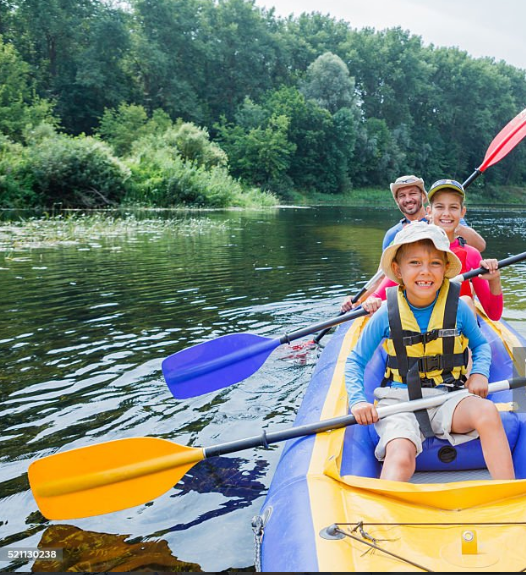
Paddling on a calm lake or slow river is a wonderful family activity. Children can sit in the middle of a canoe, share a tandem kayak, or try their own small paddle boat.
Safety notes
- Every person wears a properly fitted, Coast Guard-approved life jacket, and it stays on for the whole trip. See the U.S. Coast Guard’s boating safety resources.
- Choose calm water and good weather
- Stay close to shore
- Learn basic paddling and how to re-enter or rescue
- Be aware of wind, currents,s and cold water
3. Stand-Up Paddleboarding
Older children often love paddleboarding. Many kids balance quickly, and even falling in is part of the fun in warm water.
Safety notes
- Use a life jacket and, for some conditions, a leash
- Start in shallow, calm water
- Stay within a reasonable distance of shore
- Keep an adult within reach
4. Ziplining and Ropes Courses
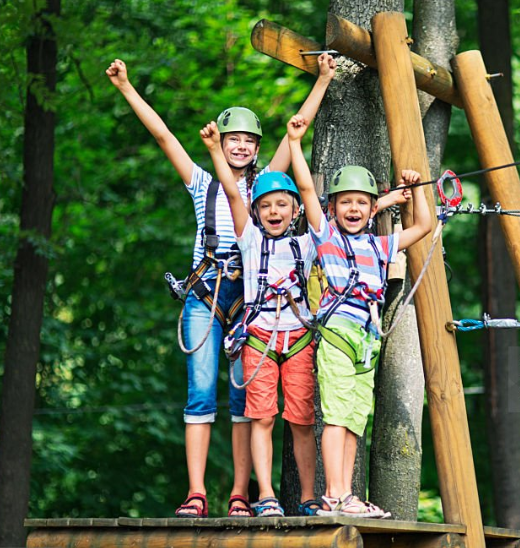
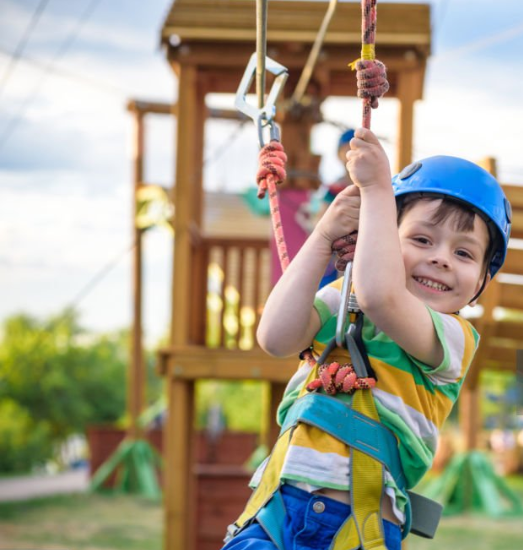
Zip lines and treetop courses give kids a thrill in a controlled environment. Reputable courses use harnesses, helmets, backup lines and trained staff.
Safety notes
- Check the minimum age, height and weight limits and be honest about your child’s size.
- Confirm that staff inspect equipment and check each harness
- Watch a few groups before booking
- Choose a beginner course first
- Talk to your child about what will happen, including the brake, the landing, and the wait.
Mountain resort towns often offer these in summer. See our guide to family-friendly mountain getaways for destinations that include them.
5. Horseback Riding
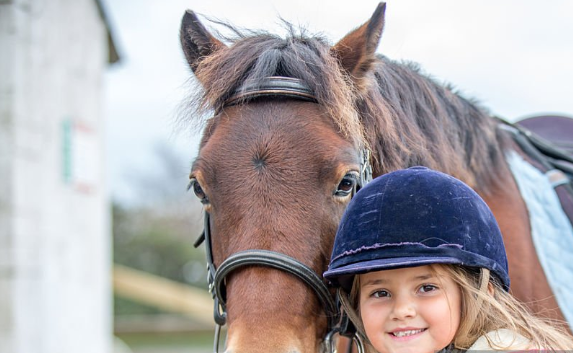
A guided trail ride is a memorable experience, especially for animal lovers. Many operators offer walking-pace rides for beginners.
Safety notes
- Choose a reputable stable with gentle, well-trained horses
- Wear a properly fitted helmet and sturdy shoes with a small heel
- Follow the guide’s instructions
- Expect weight and age limits
- Stay calm and quiet around the animals
6. Family River Floats and Gentle Rafting
Calm river floats are a lovely way to see scenery. Many companies offer family-friendly trips on gentler sections with trained guides.
Safety notes
- Choose gentle sections suited to your children’s age and swimming ability
- Wear the provided life jackets and helmets, if required
- Listen carefully to the safety briefing
- Check water levels and conditions, as rivers change with rain and snowmelt
- Avoid whitewater trips unless your kids meet the operator’s age and ability requirements
7. Snorkeling
Snorkeling in shallow, calm water introduces kids to marine life and can be low-risk when supervised.
Safety notes
- Practice with the mask and snorkel in a pool or very shallow water first
- Use a life vest or flotation aid if needed
- Stay close to an adult, in calm conditions
- Protect skin with a rash guard, and use reef-friendly sun protection where required
- Never leave children unsupervised in the water
8. Cycling and Mountain Biking
Cycling paths and easy trails are great ways to travel together. Many parks and towns have car-free routes, and rental shops can provide bikes and helmets.
Safety notes
- Everyone wears a properly fitted helmet
- Choose smooth, family-friendly paths
- Ride at the pace of the youngest child
- Teach hand signals and trail etiquette
- Check brakes, tire pressure, and the chain before you start
- Bring water and snacks
9. Snow Tubing, Sledding and Family Ski Lessons
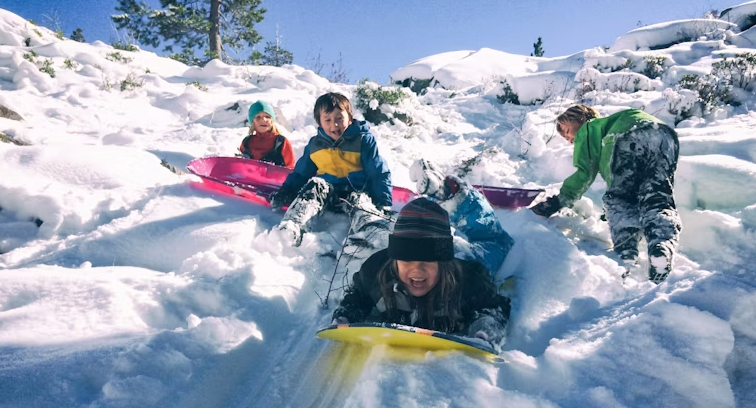
Winter adventures can be very family-friendly. Tubing hills and sledding areas are designed for children, and ski schools offer lessons for beginners.
Safety notes
- Use designated tubing or sledding areas, not roads or steep, unmarked hills
- Wear helmets for sledding and skiing
- Dress in warm, waterproof layers, and take breaks to warm up
- Follow lift and hill rules
- Book lessons for skiing or snowboarding instead of teaching kids yourself
10. Indoor Climbing and Guided Beginner Climbs
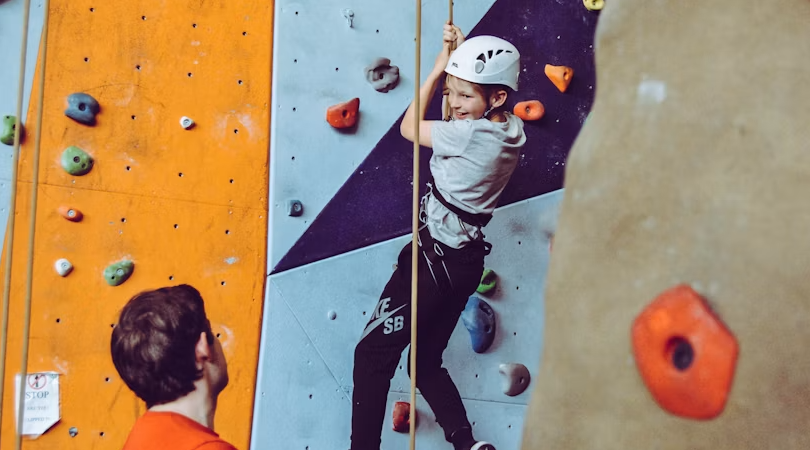
Climbing gyms are a great way to introduce kids to climbing in a controlled environment. Guided outdoor climbs with instructors can follow when children are ready.
Safety notes
- Start indoors with trained staff
- Use properly fitted harnesses and helmets outside
- Choose beginner routes and reputable guides
- Follow the gym’s safety rules and belaying procedures
- Never let children climb unsupervised
11. Wildlife Tours and Safari-Style Drives
Watching wildlife can feel like a real adventure without high physical risk. Guided tours, boat trips and scenic drives allow children to see animals in their natural habitat.
Safety notes
- Choose tours that follow wildlife-viewing rules
- Keep a respectful distance and never feed animals
- Use binoculars and zoom lenses instead of approaching
- Follow the park’s guidance. The National Park Service publishes wildlife safety information for many parks.
You can combine this with a park trip. See our guide to the best national parks for families with young kids.
12. Cave Tours and Show Caves
Guided tours of lit, developed caves are a favorite for curious kids. Cool temperatures, dramatic rock formations, and stories of history make them memorable.
Safety notes
- Choose developed show caves with paths, lighting,g and guides
- Wear sturdy shoes with good grip, and bring a light jacket
- Follow all rules about touching formations and staying on paths
- Check the tour’s length, stairs and accessibility, especially for toddlers
- Follow current guidance to protect bat populations, which can include restrictions on gear and clothing
Essential Safety Gear for Adventure Activities
- Life jackets: Properly fitted, approved for the activity
- Helmets: For biking, climbing, ziplining, horse riding and skiing
- Sturdy shoes and water shoes
- Sun protection: Hats, sunglasses and sunscreen
- Layers and rain jackets
- Gloves for cold weather, cycling or climbing
- Whistle and ID card for each child
- First-aid kit and personal medicines
- Water and snacks
Our guide to the best travel gear for traveling with kids lists many of these items, and our family camping checklist helps with overnight trips.
How to Prepare Your Child Mentally
Preparation reduces fear and builds confidence.
- Talk about what to expect, including the equipment, the height, the sounds, and the sensations.
- Watch videos of the activity together.
- Practice skills: swimming, paddling, balance,nce and staying calm.
- Let your child choose whether to try, and never force them.
- Start small. A tiny zip line before a big one builds confidence.
- Celebrate effort, not just success.
- Have a plan for what happens if they change their mind.
Kids who feel in control tend to enjoy adventure more and stay safer.
Common Mistakes Parents Make
- Lying about age or weight to get around limits. Rules exist for a reason.
- Skipping the safety briefing or not paying attention.
- Choosing the cheapest option without checking safety.
- Ignoring weather and water conditions.
- Overscheduling. Too many activities exhaust children and increase risk.
- Pushing a child past their comfort level.
- Forgetting water, snacks, and sun protection.
- Not supervising closely enough, especially near water.
Planning Adventure Into a Family Trip
Adventure activities work best when they are part of a balanced plan.
- Pick one main activity per day and leave time for rest.
- Book popular activities early, especially in summer.
- Build in weather backup plans. Have an indoor alternative ready.
- Combine adventure with downtime, such as picnics and playground stops.
- Check age and weight limits before you fall in love with a plan.
- Budget realistically. Guided activities can be costly, so choose a few highlights and enjoy free outdoor fun the rest of the time. Our guide to budget-friendly family road trip ideas shows how to balance costs.
Leave No Trace and Respect for Nature
Teach your kids that adventure includes caring for the places we visit.
- Pack out all trash
- Stay on trails and paths
- Respect wildlife and plants
- Follow local rules and closures
- Leave what you find
The Leave No Trace Center offers principles that families can learn together.
Frequently Asked Questions
What adventure activities are safe for toddlers?
Nature walks, short carrier hikes, gentle beach or lake play, wildlife spotting, scenic train or boat rides, and playground-style adventure parks. Always keep toddlers within arm’s reach around water and steep areas.
At what age can kids go ziplining?
It varies by operator and course. Many have minimum ages or weight limits, and some offer special kid-friendly courses. Check the specific provider’s rules before booking.
Is white-water rafting safe for kids?
Family-friendly trips on gentle sections can be suitable for children who meet the operator’s age and swimming requirements. Higher-difficulty rapids are generally for older, experienced participants. Always choose a reputable guide company.
Do kids need lessons for adventure activities?
For activities such as skiing, climbing and paddling, lessons from qualified instructors are very worthwhile. They teach safe technique and build confidence.
What is the safest adventure activity for families?
Low-risk options include easy hikes, cycling on flat paths, wildlife tours and calm-water paddling with life jackets. Safety depends on preparation, supervision, vision,ision and conditions, not only the activity itself.
How can I make sure a tour company is safe?
Check licenses and permits, read recent reviews, ask about guide training, group sizes and gear inspections, and confirm age and weight limits. If anything feels unsafe, choose another operator.
Should kids wear helmets for adventure activities?
For biking, skiing, sledding, horse riding, climbing,g and ziplining, helmets are generally recommended or required. Make sure they fit properly. The American Academy of Pediatrics’ HealthyChildren.org offers safety guidance for many sports and activities.
Final Thoughts
Adventure is one of the best gifts you can give your children. It teaches confidence, resilience, and curiosity, and it creates shared memories that last a lifetime. With the right activity, a trustworthy operator, good gear, and a calm attitude, adventure and safety go hand in hand.
Ready to plan? Browse our roundup of the best family vacations in the U.S., read our family travel safety tips, and pick an adventure that makes your kids’ eyes light up.