Picking the right time to visit a national park can matter more than picking the right park. Go in the wrong month, and you might find closed roads, scorching heat, endless crowds, or snow where you expected wildflowers. Go at the right time, and the same park can feel like a different place: quiet trails, comfortable weather,r and kids who actually want to keep walking.
This guide helps you choose the best time to visit national parks with kids. You will find a season-by-season breakdown, a quick comparison of crowds and weather, a park-by-park guide to 10 family favorites, es and practical tips for choosing dates, booking early, and handling school schedules. If you are still deciding where to go, our list of the best national parks for families with young kids is a good place to start.
Quick answer: when should you visit national parks with kids? For most parks, late spring and early fall (the “shoulder seasons”) offer the best mix of comfortable weather and fewer crowds. Summer has the most open roads and activities, but it is also the hottest and busiest. Winter can be magical in some parks, but many roads and services close. Always check the park’s official page for current conditions before you book.
Important: Road openings, seasonal closures, reservation systems and entrance rules change from year to year. The timing in this guide is general guidance. Confirm current information on the National Park Service website for each park.
What Makes the Best Time to Visit National Parks With Kids?
For families with kids, the best time is a balance of five things:
- Weather. Comfortable temperatures matter more with kids, who get tired, hot,t and cold faster than adults.
- Crowds. Smaller crowds mean shorter lines, easier parking, and quieter trails.
- Access. Roads, trails, shuttles, and visitor services should be open.
- Activities. Ranger programs, boat tours and campgrounds are often seasonal.
- Your schedule. If your kids are in school, you may be tied to summer and holidays.
No single month wins on all five, so think about which matter most to your family.
National Park Seasons at a Glance
| Season | Weather | Crowds | Access | Best for |
|---|---|---|---|---|
| Spring (March to May) | Mild but changeable, snow and mud at higher elevations | Low to moderate | Some roads and trails may still be closed | Waterfalls, wildflowers, fewer crowds |
| Summer (June to August) | Warm to very hot, afternoon storms in mountains | Highest | Most roads, programs and services open | Camping, long days, ranger programs |
| Fall (September to November) | Cooler, comfortable, colorful | Moderate, busy during peak foliage | Many services reduce late in the season | Foliage, wildlife, comfortable hiking |
| Winter (December to February) | Cold, snow in many parks, milder in the desert South | Low in most parks | Many roads and services close in mountain parks | Snow play, quiet trails, desert parks |
Spring: Waterfalls, Wildflowers and Fewer Crowds
Spring brings waterfalls at full power, blooming wildflowers,s and the first warm days.
Pros
- Fewer people than summer
- Waterfalls and rivers are at their best
- Wildlife is active, with many baby animals
- Lower prices for lodging in many areas
Cons
- Weather can swing from sunny to snowy in a day
- Mud and snow can close trails at higher elevations
- Some roads, campgrounds, ds and visitor services may not be open yet
- Rivers can run high and cold, so water safety matters
Best for: families who like waterfalls and flexible plans, and parks at lower elevations or in the South. Pack layers, rain gear,r and waterproof shoes. Our guide to hiking in the rain with kids has useful clothing tips.
Summer: The Busiest and Most Open Season
Summer is when most families travel, because school is out and everything is open.
Pros
- Long days with plenty of daylight
- Most roads, trails, campgrounds,nds and ranger programs are open
- Boat tours, guided walks, and Junior Ranger activities are widely available
- Mountain and northern parks have their best weather
Cons
- The most crowds and highest lodging prices
- Heat in desert and southern parks can be dangerous
- Afternoon thunderstorms are common in mountains
- Parking lots can fill up early, and some parks use timed-entry or reservation systems at peak times.
Best for: mountain and northern parks (such as Rocky Mountain, Glacier and Yellowstone), and families tied to school vacations. Start early each day, take a midday break,eak and book lodging and campsites months ahead. Our guide to Yellowstone with kids has tips for beating summer crowds.
Summer Heat Warning
In hot desert parks, summer temperatures can be extreme. Hiking in the middle of the day with kids can be dangerous. If you must go, keep activities short, start at sunrise, carry plenty of water, and learn the signs of heat illness. Our family travel safety tips explain how to protect kids from heat.
Fall: Comfortable Weather and Colorful Scenery
For many families, fall is the sweet spot.
Pros
- Comfortable temperatures for hiking
- Colorful foliage in many parks
- Fewer crowds after Labor Day in many places
- Wildlife is active, such as elk in the fall in some parks
Cons
- Foliage season can be very busy in popular eastern parks
- Days get shorter, and nights get cold
- Some services, shuttles, and campgrounds close for the season
- Early snow can close high mountain roads
Best for: families who can travel outside summer, and almost any park. Fall in the Smokies, Acadia, and Shenandoah is famous for color. Book early for peak foliage weekends.
Winter: Quiet Trails and Snow Play
Winter turns some parks into quiet, beautiful places, and others into warm escapes.
Pros
- Few crowds in many parks
- Snow play, sledding and snowshoeing in snowy parks
- Warm, comfortable weather in southern desert parks
- Lower lodging prices in some areas
Cons
- Many mountain roads, campgrounds, ds and visitor services close
- Short days and cold temperatures
- Snow and ice make some trails dangerous
- Travel can be affected by storms
Best for: families who like snow and quiet, and warm-climate parks in the South and Southwest. Dress in layers and check road and trail conditions closely. Our guide to winter hiking with kids covers clothing, safety, and gear.
Best Time to Visit 10 Family-Favorite National Parks With Kids
This table gives general guidance. Always confirm current information with each park.
| Park | Often Best for Families | Things to Know |
|---|---|---|
| Great Smoky Mountains (TN/NC) | Spring and fall | Very busy in summer and during peak fall color. Mild weather in spring and early fall. |
| Acadia (ME) | Late spring to early fall | Summer and fall are busy. Water is cold, even in summer. Check for vehicle reservations on popular roads. |
| Yellowstone (WY/MT/ID) | Late spring to early fall | Most roads are open in summer. Many roads close in late fall through spring. Nights can be cold, even in summer. |
| Grand Canyon (AZ) | Spring and fall | The South Rim is open year-round. Summer can be very hot, especially below the rim. The North Rim is typically closed in winter. |
| Zion (UT) | Spring and fall | Very hot in summer, and crowds are heavy. Winter is quiet and cool. Watch for flash flood risk during storms. |
| Rocky Mountain (CO) | Summer and early fall | High-elevation roads are often closed in winter and spring. Altitude can affect kids. Timed-entry systems have been used in peak season. |
| Shenandoah (VA) | Spring and fall | Fall color is spectacular and busy. Skyline Drive can close in bad weather. |
| Bryce Canyon (UT) | Late spring to early fall | High elevation, so nights are cold, even in summer. Winter is snowy and beautiful but cold. |
| Glacier (MT) | Summer and early fall | High-elevation roads are typically open only for part of the year, usually summer into early fall. Check road status before you go. |
| Great Sand Dunes (CO) | Late spring and fall | Sand surfaces get extremely hot in summer afternoons. The creek is typically at its best in spring and early summer. |
Month-by-Month Cheat Sheet
| Month | Best for | Watch Out for |
|---|---|---|
| January to February | Southern deserts, snow play in some parks | Cold, short days, closures in mountains |
| March to April | Southern and low-elevation parks, early wildflowers | Mud, snow, unpredictable weather |
| May | Many parks before summer crowds | Some roads and campgrounds not yet open |
| June | Northern and mountain parks | Rising crowds, afternoon storms |
| July to August | Mountain parks, long days | Peak crowds, desert heat, high prices |
| September | Almost any park | Early snow in high mountains, shorter days |
| October | Fall colors, wildlife | Busy foliage weekends, early closures |
| November | Southern desert parks, quiet trails | Many services closed, cold nights |
| December | Snow play, holiday trips | Short days, closures and winter driving |
How to Choose the Best Time to Visit National Parks With Kids
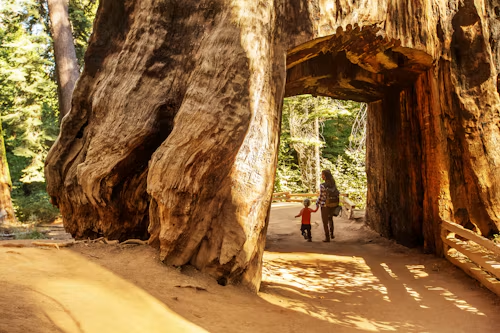
Ask yourself these questions:
- How old are the kids? Babies and toddlers do best in mild weather. School-age kids can handle more.
- Are you tied to school holidays? If so, summer is likely, so plan for crowds and heat.
- What do your kids love? Waterfalls peak in spring, foliage in fall, snow play in winter.
- Do you want to camp? Campground seasons vary, and many close in cold months. See our first-time family camping guide.
- How flexible is your budget? Summer and holiday weekends cost more.
- How much do you dislike crowds? If you do, aim for shoulder seasons and weekdays.
Tips for Beating the Crowds
- Go early. Arrive at popular sights soon after sunrise, when it is cooler and quieter.
- Visit on weekdays rather than weekends and holidays.
- Try shoulder seasons, such as late spring and early fall.
- Explore lesser-known areas and trails, not just the famous overlooks.
- Use shuttles when they are offered, rather than hunting for parking.
- Take a midday break when sights are busiest, and come back in the late afternoon.
- Stay near the park, or inside it if you can, to avoid long drives.
- Check for timed-entry or reservation requirements, which some parks use during busy periods.
Booking and Planning Tips
- Book lodging and campsites early. Popular parks fill up months ahead. Many campgrounds are on Recreation.gov, and lodges inside parks often book far in advance.
- Check road and trail conditions before you leave. Park websites list current closures.
- Look at the weather with the National Weather Service, and be ready for rapid change in mountains.
- Consider an annual pass if you plan to visit several parks. Check current pass options on the park service website, since prices and rules change.
- Allow extra driving time. Park roads can be slow, especially in summer and in bad weather.
- Plan one main activity a day for young children.
- Pack for the season. Layers, rain gear, sun protection,n and water are important in every season. Our guide to the best travel gear for kids can help.
- Budget realistically. Our guide to budget-friendly family road trip ideas has tips for saving money.
Kids and Altitude, Heat and Cold
Different seasons bring different risks for children.
- Altitude: high-elevation parks, such as Rocky Mountain and Bryce Canyon, can cause headaches, tiredness, ss and nausea. Go slowly, drink water, and give your family time to adjust. Our guide to family-friendly mountain getaways has more advice.
- Heat: desert parks in summer are risky. Choose cooler seasons or early mornings.
- Cold: nights can drop below freezing in many parks, even in summer at high elevations. Pack warm layers and sleeping gear.
- Weather swings: storms, snow, and hail can arrive quickly in mountains.
The American Academy of Pediatrics’ HealthyChildren.org has helpful guidance on keeping children safe in hot and cold weather.
Make the Most of Any Season With the Junior Ranger Program
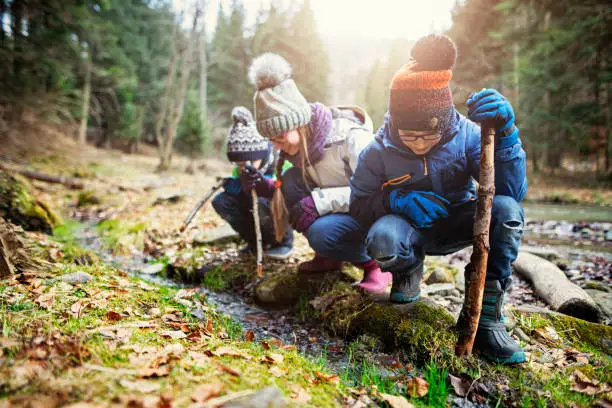
Whatever season you choose, the Junior Ranger program is a great way to get kids excited. Ranger programs are most frequent in summer, but many parks offer activities year-round. Read our guide to the Junior Ranger program for how it works and tips for earning badges.
Common Mistakes When Choosing When to Visit
- Assuming all roads are open. High-elevation roads often close for months.
- Ignoring heat in desert parks. Summer can be dangerous with kids.
- Booking too late. Lodging and campsites sell out.
- Overplanning. Weather and crowds change your day.
- Not checking closures. Services and shuttles vary by season.
- Forgetting that shoulder seasons can be unpredictable. Pack for several types of weather.
- Not checking reservation requirements.
- Forgetting Leave No Trace in muddy seasons. The Leave No Trace Center recommends walking through mud rather than around it to protect trail edges.
Best Time to Visit National Parks With Kids: Frequently Asked Questions
What Is the Best Month to Visit National Parks With Kids?
It depends on the park, but many families find late spring and early fall the best for comfortable weather and fewer crowds. Summer is best for mountain and northern parks with high-elevation roads.
What Is the Best Season to Visit National Parks?
Spring and fall are popular for mild weather and fewer people. Summer offers the most access, and winter is best for snow play and warm southern parks.
When Are National Parks the Least Crowded?
Winter and the shoulder seasons in spring and fall are often the quietest, and weekdays are quieter than weekends. Popular parks can still be busy at any time, so go early in the day.
What Is the Best Time to Visit National Parks With Toddlers?
Mild weather with comfortable temperatures, such as late spring or early fall. Avoid extreme heat and cold, and plan short, easy activities. See our guide to the best national parks for families with young kids.
Are National Parks Worth Visiting in Winter With Kids?
Yes, if you choose the right park and dress warmly. Southern desert parks can be comfortable, and snowy parks offer sledding and snowshoeing. Check road closures and weather first.
What Is the Best Time to Visit Yellowstone With Kids?
Late spring to early fall, when most roads are open, with summer being the busiest. See our guide to Yellowstone with kids.
Do I Need to Book National Park Lodging in Advance?
Often yes, especially in summer and on holidays. Book months ahead where you can, and check cancellation policies.
Final Thoughts
The best time to visit a national park with kids is the one that fits your family’s weather tolerance, schedule,e and budget. For most families, that means a shoulder season, but summer works well for mountain parks, and winter can be magical with the right gear. Check each park’s official page, book early, ly and keep plans flexible. A well-timed trip turns a good park visit into one your kids will talk about for years.
Ready to plan? Browse the best family vacations in the U.S., read our guide to the best national parks for families with young kids, or learn how the Junior Ranger program can make every park visit more fun.
Pingback: Grand Canyon With Kids: 15 Parent Questions Answered