Walk into any outdoor store or scroll through an online shop, and you will quickly find yourself facing hundreds of products promising to make family travel easier. Some of them really do. Others end up at the bottom of a closet after one trip. The trick is learning which pieces of travel gear for kids make a real difference, and which ones you can safely skip.
This guide is based on a simple idea: buy less, choose better, and match gear to your actual trips. You will find advice on backpacks, carriers, sleep gear, car and airport essentials, clothing, gadgets, and safety items, along with a realistic look at what to borrow, rent,t or ignore. It fits neatly with our other guides, including the family camping checklist and the pillar article on the best family vacations in the U.s...
A quick note: We do not list specific brands or prices here, because models and prices change quickly. Instead, we tell you what to look for. Always read current reviews and follow the manufacturer’s safety instructions, especially for car seats, carriers and sleep products.
Quick answer: what travel gear do kids really need? Start with safety and comfort: a properly installed car seat, sturdy shoes that are already broken in, warm layers, a first-aid kit, a small daypack for each child, and a carrier or stroller that matches your trip. Borrow or buy secondhand for bulky items you will rarely use, and skip single-use gadgets.
The Golden Rules of Buying Kids’ Travel Gear
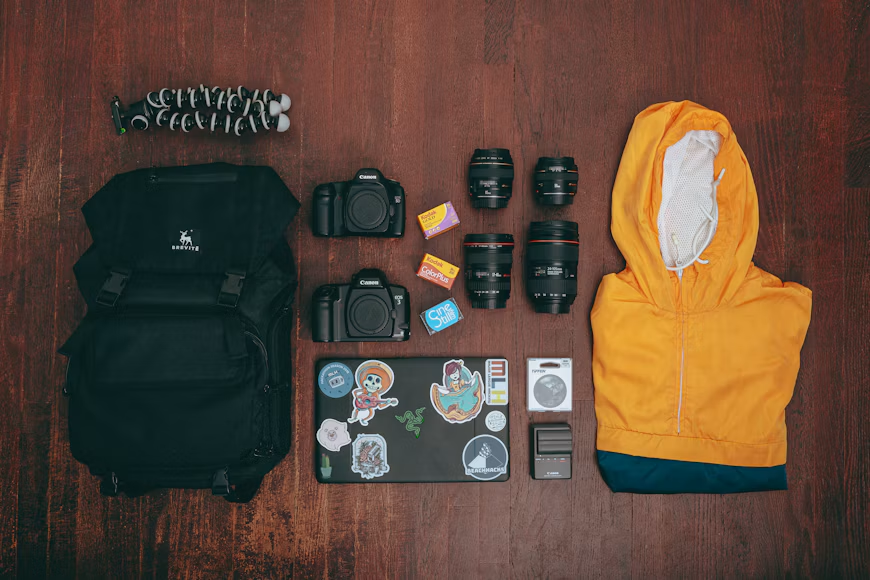
Before you spend anything, keep these principles in mind.
- Start with your trips, not the marketing. A weekend at a state park needs different gear from an international flight.
- Prioritize safety and comfort. Fit, support, and proper use matter more than looks.
- Kids grow quickly. Avoid paying top prices for items that will fit for one season.
- Test at home. Try backpacks, carriers, and sleeping setups in the living room or backyard.
- Borrow, rent,t or buy secondhand for items you will use rarely.
- Choose multi-use items. A jacket that packs into its own pocket beats a bulky coat.
- Weight matters. Every extra ounce in a pack gets carried by someone.
Kids’ Backpacks and Bags: What to Look For
Kids’ daypacks
A child’s backpack gives them ownership of the trip and lets them carry their own snack, water, and toy.
What to look for
- Size that fits their torso and does not sag below the hips
- Padded, adjustable shoulder straps and, for older children, a chest strap
- Lightweight construction and easy zippers small hands can use
- A side pocket for a water bottle
- Reflective details for visibility
Load rule: Keep the weight low. Many guidelines suggest a child’s pack should not be more than a small fraction of body weight, so keep it light: a drink, a snack, a jacket,t and a toy is plenty for most young kids.
The parent’s “everything” bag
A well-organized parent bag saves your sanity.
- Multiple pockets and compartments
- Padded straps or a comfortable crossbody design
- Easy-to-clean, water-resistant fabric
- An insulated pocket for bottles or snacks
- A changing mat, if you have little ones
Packing cubes and organizers
Packing cubes are one of the best travel purchases. Color-code them by child or category (clothes, pajamas, swimwear) to find things fast and to repack quickly.
Baby and Toddler Carriers for Travel
For hiking, airports, and busy destinations, a good carrier gives you freedom and helps little ones feel secure.
Soft-structured carriers
These are great for babies and smaller toddlers on short outings, airports, and city sightseeing. Look for:
- Padded, adjustable waist belt and shoulders
- Proper support for the child’s hips and spine, following manufacturer guidance
- Easy adjustment for different wearers
- Breathable fabric
Framed hiking carriers
For longer walks and trail hikes with a toddler, a framed carrier distributes weight better and often includes a sun shade, storage,e and a stand. Look for:
- A comfortable hip belt and adjustable torso length
- A secure harness and stable stand
- Rain and sun covers
- Storage pockets for essentials
Safety reminders
- Follow the carrier’s age and weight limits
- Keep the child’s airway clear and visible at all times
- Avoid activities that risk falls, such as steep, slippery,ry or technical terrain
- Be careful around hot drinks and cooking while carrying a child
- Test the carrier at home before a big trip
Strollers and Wagons
Deciding between a stroller, wagon, or carrier depends on your destination.
- Compact travel strollers fold quickly, fit in overhead bins on some airlines (check rules), and suit city trips.
- All-terrain strollers handle paths and rougher ground but are bulkier.
- Folding wagons are popular for beaches, campgrounds,s and festivals, since they carry kids and gear together.
- Umbrella strollers are very light but less supportive and less durable.
If you fly, check your airline’s policies on strollers and gate-checking, and consider a cover bag to protect the stroller.
Sleep Gear
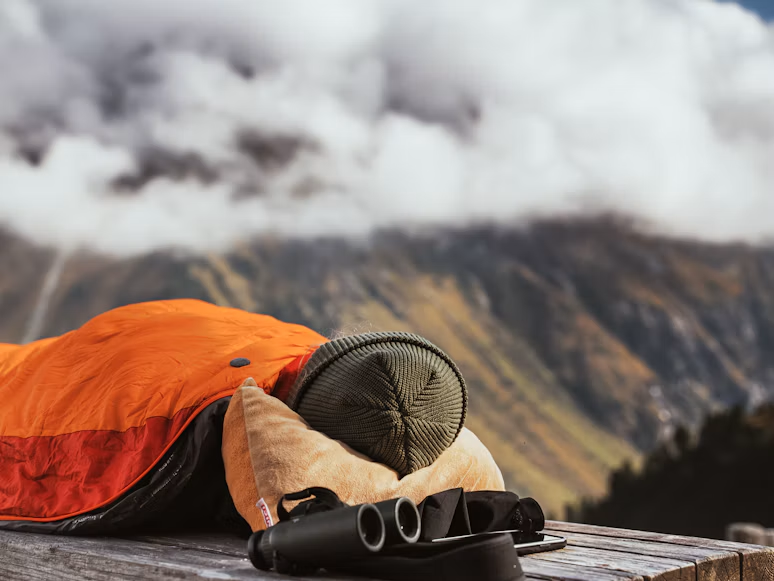
Sleep is what keeps a family trip pleasant, so it is worth getting right.
For camping
- Sleeping bags rated for the expected temperatures, in child sizes so they can stay warm.
- Sleeping pads with insulation, as they matter more than most people think
- A small pillow or a stuff sack filled with clothes
- A lantern or nightlight for the tent
- Earplugs for light sleepers, though not for babies
For more, see our family camping checklist.
For hotels and rentals
- Portable crib or foldable bed for babies and toddlers, following the manufacturer’s safety guidance
- Blackout curtains or portable blackout shades
- A white noise machine or app
- The familiar blanket, toy,y or pajamas from home
- A night light for unfamiliar bathrooms
For long journeys
- Neck pillows or small travel pillows
- A lightweight blanket
- Eye masks for older kids
Car and Road Trip Gear
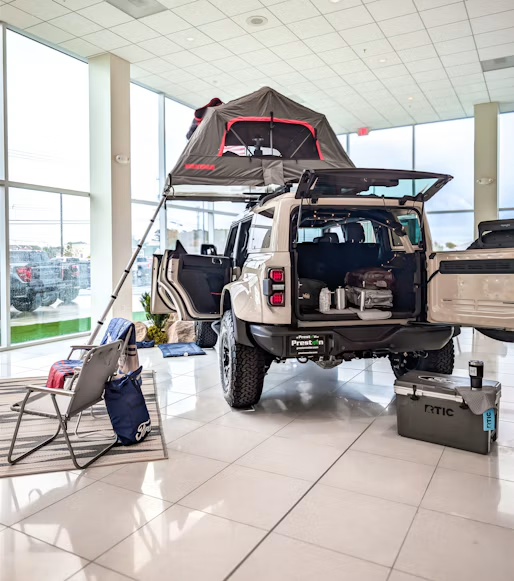
Comfort and safety come first in the car. If you are planning a long drive, our guide to budget-friendly family road trip ideas includes route and money-saving tips, plus the equipment side.
- Properly installed car seats or boosters suited to each child’s age, weight, and height. Read the manual, and consider a professional inspection if you are unsure.
- Window sunshades for naps and sun protection
- Seat-back organizers for toys, snacks, and wipes
- Car trash bin or bags
- Cooler bag for drinks and food
- Phone mounts and chargers
- Portable emergency kit, including jumper cables, flashlight,t and first-aid supplies
- Wipes, tissues and spare clothes in an accessible bag
- Sick bags for children prone to car sickness
Flying with Kids: Gear That Helps
Airports and planes can be stressful, but the right kit reduces the pressure.
- Lightweight carry-on with everything you need for delays
- Snacks and empty water bottles to fill after security
- Change of clothes for each child, and one for you
- Entertainment: Downloaded shows, audiobooks, coloring books, stickers, small toys
- Headphones for kids: Volume-limited headphones protect young ears
- Baby items: Diapers, wipes, formula, bottles, and a spare outfit
- Comfort items: A favorite blanket or toy
- Sanitizing wipes for tray tables
- Portable charger
- Travel documents in an easy-to-reach folder
Check airline rules regarding liquids for baby items, car seats,s and strollers before you fly.
Clothing and Footwear
Clothing is one of the best places to save money and gain comfort.
Layer system
- Base layer: Soft, moisture-wicking shirts and leggings
- Mid layer: Fleece or light insulated jacket
- Outer layer: Waterproof, breathable jacket
Must-haves
- Sturdy shoes that are already broken in
- Water shoes or sandals with straps
- Quick-dry swimwear
- Sun hat with a brim or neck cover
- Warm hat and gloves for cool climates
- Wool or synthetic socks
- Rain pants for wet weather
- Pajamas suited to the temperature
Money-saving tips
- Buy secondhand outdoor clothing from local groups or resale shops
- Use hand-me-downs from friends and family
- Choose adjustable features so items last longer
- Wash at the campsite or hotel rather than overpacking
Sun, Bugs and Weather Protection
- Broad-spectrum sunscreen and lip balm
- UV-protective clothing and hats
- Insect repellent suitable for children, following label instructions
- Bug nets for strollers or tents
- Compact umbrella or rain cover
- Portable fan for hot destinations
- Cooling towel for warm hikes
For more advice on protecting kids outdoors, see our guide to family travel safety tips.
Gadgets That Are Actually Useful
Not every gadget is a gimmick. These often earn their place in the bag:
- Headlamps or kids’ flashlights: Kids love them, and they are practical in tents
- Portable power bank: Keeps phones and tablets alive
- Tablet with downloaded content: Great for long trips, used in moderation
- Bluetooth tracker: Useful in bags or to keep track of a pack
- Binoculars for kids: Turn a hike into a wildlife hunt
- Compact camera or waterproof camera: A fun way for children to document a trip
- Reusable water bottles with straps: Easy to carry and reduce plastic waste
- Foldable water filter or purification tablets: For hiking and camping
- GPS or offline map app: Essential where signals vanish
Safety and First-Aid Essentials
Never skip these.
- First-aid kit with bandages, antiseptic wipes, tweezers, pain and fever medicine for children (check doses with your doctor or pharmacist), and personal prescriptions
- Whistles on lanyards for kids
- Emergency blanket
- Contact card with parent names, phone numbers, rs and any medical info, placed in a child’s pocket
- Sun and bug protection
- Hand sanitizer and wipes
- Thermometer
- ID wristbands or temporary tags for crowded places, if you like
What to Borrow, Rent or Buy Secondhand
Not every item deserves a purchase.
Good to borrow or rent
- Baby gear for trips: cribs, high chairs, strollers
- Bulky items like ski or snow gear
- Expensive camping equipment for your first few trips
- Beach gear at many destinations
Good to buy secondhand
- Kids’ outdoor clothing
- Child carriers, if in good condition and free from recalls
- Backpacks and sleeping bags
Best to buy new
- Car seats (you never know a used seat’s history, and safety standards matter)
- Helmets, as they may be damaged by impacts you cannot see
- Items with expiration dates, such as sunscreen and first-aid supplies
What You Can Probably Skip
- Single-use gadgets you will use once
- Too many toys, since three well-chosen ones beat a suitcase full
- Fancy clothing for camping and hiking
- Heavy cooking equipment when simple meals will do
- Items that duplicate what your accommodation provides
Money-Saving Tips for Gear
- Wait for end-of-season sales
- Buy versatile pieces that suit several trips
- Use gift lists at birthdays and holidays for gear you need
- Join local family groups for swaps and sales
- Check outlet stores and resale platforms
- Take care of gear so it lasts
Travel Gear for Kids by Trip Type: A Simple Starter Kit
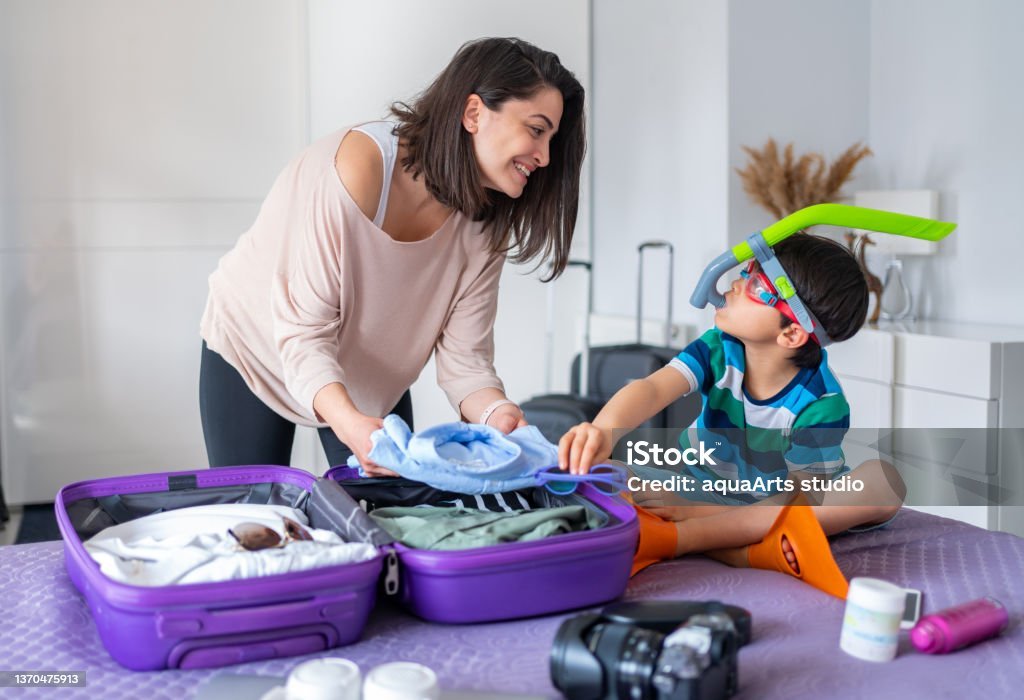
Day trip or short hike
- Kids’ daypack, water bottles, snacks
- First-aid kit, sun and bug protection
- Layers and a rain jacket
Weekend camping
- Tent, sleeping bags and pads, lanterns and headlamps
- Camp stove, cooler and basic kitchen gear
- Chairs, tarp and games
Long road trip
- Car sunshades, organizers, cooler bag
- Entertainment, travel pillows, snacks
- Emergency kit
Flying
- Carry-on essentials, entertainment, headphones
- Change of clothes, snacks and empty water bottles
To turn a day trip into a longer outing, see our guide on how to plan a family hiking trip.
Frequently Asked Questions
What is the most important piece of gear for family travel?
It depends on the trip, but safe car seats, comfortable shoes, layered clothing, and a good first-aid kit are essential across almost all travel.
When should I buy a child carrier?
When you plan regular walks, hikes,s or busy outings with an infant or toddler. Make sure it fits both you and the child, and follow the manufacturer’s limits.
Do I need to buy expensive outdoor gear for kids?
Not usually. Kids outgrow gear fast, so secondhand or mid-range options work well. Spend more on safety items, such as car seats and helmets, and on items that affect comfort, such as shoes and sleep gear.
How can I pack lighter with children?
Plan outfits, use packing cubes, choose quick-dry fabrics, and wash mid-trip. Pack for the weather and activities, not for every possibility.
What gear do I need to travel with a baby?
Depending on the trip: a safe car seat, carrier or stroller, portable crib, diapers, wipes, feeding supplies, sun protection, and a change of clothes. Check the location’s facilities to avoid overpacking.
What should I pack in a kid’s travel backpack?
Keep it light: a water bottle, a snack, a jacket or sweatshirt, wipes, and one or two favorite toys or books. Let older kids add a small notebook or binoculars so the pack feels like theirs.
What travel gear do I need for a toddler?
For most trips: a car seat that fits their age and size, a carrier or compact stroller, a familiar blanket or comfort item, a sun hat, snacks, wipes, and a change of clothes. Add a portable crib or sleep setup if you will be away overnight.
Are travel gadgets worth it?
Some are, such as headlamps, power banks,s and offline maps. Others are gimmicks. Ask yourself whether the item solves a problem you actually have.
Helpful Resources
For official, up-to-date information, these trusted sources are worth bookmarking:
- NHTSA car seat guidance
- HealthyChildren.org by the American Academy of Pediatrics
- CDC (health and safety information for travelers)
Final Thoughts
The best travel gear for kids is the kind you forget about because it simply works. Focus on safety, comfort, and simplicity. Buy a few good pieces, borrow the rest, and let experience tell you what to add. After a couple of trips, you will know exactly what earns a place in your bag.
Planning your next destination? Take a look at the best national parks for families with young kids, and reread our family travel safety tips before you go.
Pingback: Grand Canyon With Kids: 15 Parent Questions Answered