Most family trips go smoothly. Kids get sunburned noses, scraped knees, and the occasional stomach bug, and everyone survives. But when something goes wrong outdoors, preparation can mean the difference between a small story and a serious problem. The good news is that most travel and outdoor risks are predictable, and most of them are preventable with a bit of planning.
This guide covers the family travel safety tips that matter most: sun and heat, water, wildlife, weather, food and water safety, first aid, car travel, lost children, and campsite hazards. It’s a practical checklist you can use before every trip, from a local hike to a cross-country adventure.
Disclaimer: This article offers general information, not medical advice. Talk to your child’s doctor about health questions, medicines, allergies and vaccinations before traveling.
Quick Safety Checklist (Save This)
If you only read one section, read this one.
| Area | Do this |
|---|---|
| Plan | Tell someone your route and return time; check weather and trail conditions |
| Sun | Sunscreen, hat, shade breaks, water |
| Water | Constant adult supervision near any water; life jackets |
| Wildlife | Keep your distance; store food properly |
| First aid | Carry a kit; know basic care |
| Kids | Whistle, ID card, “stay where I can see you” rule |
| Car | Correct car seats, regular breaks, emergency kit |
| Emergency | Know local numbers, nearest hospital and phone-signal limits |
Key Numbers and Rules to Remember
| Situation | Rule of thumb |
|---|---|
| Bears and wolves in national parks | Stay at least 100 yards (about 91 meters) away |
| Other wildlife in national parks | Stay at least 25 yards (about 23 meters) away |
| Thunderstorms | Wait about 30 minutes after the last thunder before resuming activity |
| Lost child | Stop, stay put, and blow the whistle in groups of three |
| Long drives | Stop for a break roughly every two hours |
| Water play with young children | Stay within arm’s reach at all times |
| Emergencies in the U.S. | Call 911 (cell coverage can be limited in remote areas) |
1. Plan Before You Leave
Good safety begins at home, well before you reach the trailhead.
Research your destination
- Read official park and forest pages for alerts, closures, fire restrictions,s and wildlife warnings. The National Park Service website lists conditions for each park.
- Check the weather for the location, not just the nearest big city. The National Weather Service gives detailed forecasts, including for mountain areas.
- Learn about local hazards: heat, altitude, flash floods, wildfire smoke, ticks, snakes, bears, or rip currents. When smoke is possible, check air quality at AirNow.gov and think twice about strenuous outdoor plans.
- Check phone coverage. Many beautiful places have no signal. Download offline maps and share your plans.
- Know where the nearest medical help is. Note the address of the closest hospital or clinic.
Share your plan
Tell a trusted person your route, where you are staying, who is with you, and when you expect to return. Check in when you get back. If you are hiking in remote areas, consider a satellite messenger.
Pack for the worst case.
Weather changes fast, kids get tired, and hikes take longer than planned. Carry extra water, food, layers, a headlamp, a first-aid kit,t and a whistle. Our guide to the best travel gear for kids explains what is worth bringing.
2. Sun and Heat Safety

Sun and heat cause more trouble on family trips than dramatic dangers do.
Sun protection
- Use broad-spectrum sunscreen (SPF 30 or higher is widely recommended) on children old enough to wear it, and reapply as directed, especially after swimming or sweating.
- Dress kids in hats, sunglasses, and light, long-sleeved clothing with UV protection.
- Seek shade during the middle of the day, when the sun is strongest.
- Keep babies under six months out of direct sun and covered with clothing and hats. Ask your pediatrician before using sunscreen on very young infants. The American Academy of Pediatrics website, HealthyChildren.org, has detailed guidance.
Heat exhaustion and heatstroke
Children heat up faster than adults and may not tell you they feel unwell.
Warning signs of heat exhaustion
- Heavy sweating, flushed or pale skin
- Headache, dizziness or unusual tiredness
- Nausea or vomiting
- Irritability
What to do: Move the child to shade or a cool place, remove extra clothing, offer small sips of water, and cool the skin with damp cloths.
Heatstroke is an emergency. Confusion, very hot skin, fainting,g or seizures require calling emergency services immediately. While you wait, move the child to shade and cool them with water or wet cloths. If heat exhaustion symptoms do not improve quickly, treat it as an emergency too. The CDC offers a clear overview of heat-related illness and prevention.
Prevent heat problems
- Start early and finish before the hottest part of the day
- Carry plenty of water and encourage regular sips
- Take frequent breaks in shade
- Use wet bandanas or cooling towels
- Never leave a child in a parked car, not even for a minute. Cars heat up dangerously fast.
3. Cold, Wet and Mountain Weather
Cold can be as dangerous as heat, especially at night or at altitude.
- Layer clothing and avoid cotton, which stays wet.
- Bring rain gear for every family member.
- Watch for hypothermia: shivering, clumsiness, slurred speech, confusion, or unusual sleepiness. Get the child warm and dry, wrap them in blankets, offer warm drinks if they are alert, and seek medical help if symptoms are serious.
- Have a turnaround time and stick to it.
- Check mountain forecasts, because storms can build fast in the afternoon.
Lightning
- If you hear thunder, the storm is close enough to be dangerous.
- Move to a sturdy building or a hard-topped vehicle.
- Stay away from open fields, ridges, isolated trees, and water.
- Wait about 30 minutes after the last thunder before resuming activity.
Flash floods
Canyons, dry washes and narrow river valleys can flood suddenly, even when the sky above you is clear, because rain can fall miles away. Check the forecast and local warnings, avoid camping or walking in low channels when storms are possible, and never drive or walk through flooded roads. The National Weather Service slogan says it well: “Turn Around, Don’t Drown.”
Altitude
Mountain destinations can affect children and adults with headaches, tiredness, nausea, and poor sleep. Go slowly, drink water, avoid strenuous activity on the first day, and descend if symptoms worsen. Our guide to family-friendly mountain getaways has more on visiting high-altitude destinations with kids.
4. Water Safety
Water is one of the biggest risks for young children, and it can happen quickly and silently.
- Supervise constantly. With young children, stay within arm’s reach. Do not rely on lifeguards or floaties alone, and remember that inflatable toys and water wings are not life jackets.
- Assign a designated water watcher when there are several adults, and rotate so no one gets distracted.
- Use properly fitted life jackets on boats, kayaks,s and near open water. Choose a Coast Guard-approved type. The U.S. Coast Guard boating safety site has guidance.
- Respect currents, cold water, er and rough surf. Rivers and lakes can be colder and stronger than they look.
- Check depth and conditions before letting kids in, and avoid jumping into unknown water.
- Learn to swim. Swimming lessons are one of the best investments for outdoor families.
- Learn CPR. It is a life skill worth having.
5. Wildlife Safety
Seeing wildlife is a highlight of many trips, but animals are wild and can be dangerous.
- Keep a safe distance. In many national parks, the rule is at least 100 yards (about 91 meters) from bears and wolves, and 25 yards (about 23 meters) from other wildlife. Check the current rules on the National Park Service page for the park you visit.
- Never feed animals, and never approach them for photos.
- Store food properly. Use bear boxes, canisters, or locked vehicles, and keep food out of tents.
- Learn what to do in bear country. Make noise on the trail, keep children close, and carry bear spray only if you know how to use it and the rules allow.
- Teach kids to stay calm and not run if they see an animal. Practice the plan together.
- Watch for snakes and insects. Stay on trails, look before stepping or sitting, and teach kids not to reach into holes or under rocks.
Ticks and mosquitoes
- Wear long sleeves and pants in tick areas, and tuck pants into socks.
- Use repellents that are appropriate for children, following the label’s age guidance. The CDC’s tick pages explain prevention and removal.
- Do full-body tick checks after hikes, including scalp, behind ears, armpits,s and behind knees.
- If you find a tick, remove it with fine-tipped tweezers by gripping close to the skin and pulling upward steadily. Clean the area and watch for symptoms, and call a doctor if you are concerned.
6. Food and Water Safety

An upset stomach can end a trip faster than any storm.
- Wash hands with soap or use sanitizer before eating and after using the toilet.
- Keep cold food cold with ice and a good cooler, and do not leave perishable food sitting in the heat.
- Cook meat thoroughly and keep raw and cooked foods separate.
- Drink safe water. If you are unsure about a water source, bring your own, or filter or treat it properly. Never drink untreated water from streams, lakes, or springs.
- Know allergies. Carry medication such as an epinephrine auto-injector if prescribed, and make sure every adult knows how to use it.
- Avoid choking hazards for young children, such as whole nuts, hard candy, and popcorn.
7. First Aid: What to Carry and Know
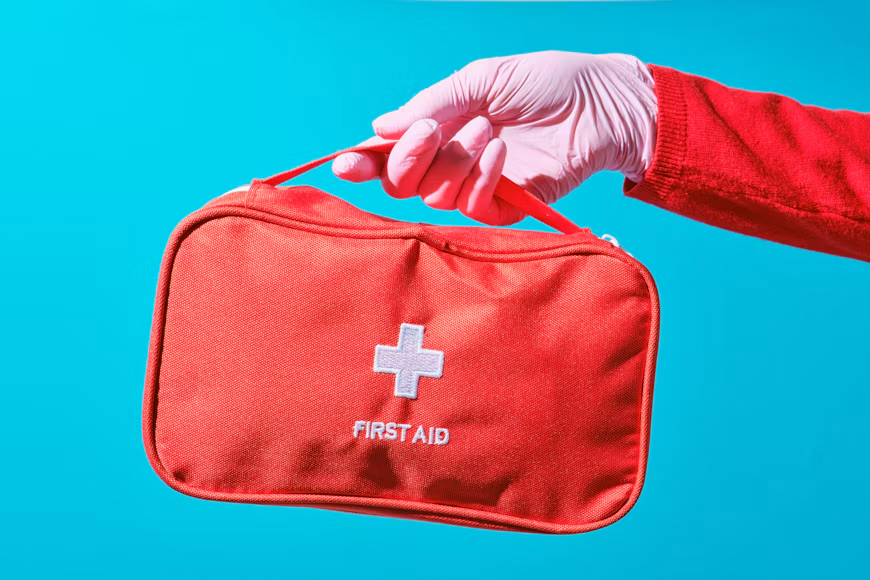
A small, well-organized first-aid kit is essential. Our family camping checklist includes a full list, and here are the basics:
- Adhesive bandages, gauze, tape, and blister bandages
- Antiseptic wipes and ointment
- Tweezers, scissors, and safety pins
- Child-appropriate pain and fever medicine (check doses with your doctor)
- Allergy medicine and any personal prescriptions
- Thermometer
- Emergency blanket
- Instant cold pack
- Gloves and a CPR mask
- Whistle and small flashlight
Learn the skills
- Take a basic first-aid and CPR class for adults and children
- Learn how to treat cuts, burns, sprains, insect stings and allergic reactions
- Know how to recognize when to seek emergency help
When to call for help
Call emergency services for difficulty breathing, severe bleeding, suspected head or spine injury, seizures, loss of consciousness, signs of heatstroke or severe allergic reaction. If there is no phone signal, send someone to find help or use a satellite device if you have one.
8. Keep Your Kids Close: Lost-Child Plan
Many parents worry most about a lost child. A simple plan cuts the risk.
- Set clear rules: “Stay where I can see you,” and “Never leave the trail.”
- Give each child a whistle on a lanyard. Teach them: three blasts mean “I need help.”
- Teach the “hug a tree” idea: If you are lost, stay put, stay visible, and make noise.
- Dress kids in bright colors and take a photo of them each morning so you know what they were wearing.
- Put a contact card in each child’s pocket with your name, phone number, and any medical information.
- Agree on a meeting spot in crowded places, and point out staff, rangers, or other safe adults to ask for help.
- Do headcounts at every stop.
If a child goes missing, alert others immediately and contact rangers or emergency services without delay.
9. Campsite Safety
Camping adds its own hazards.
- Fire safety: Keep fires small and in designated rings, never leave them unattended, keep kids at a distance, and fully extinguish with water before bed.
- Carbon monoxide: Never use stoves, heaters, or charcoal grills inside a tent or enclosed space.
- Stoves and fuel: Keep them stable, away from tents, ts and out of children’s reach.
- Tents and trip hazards: Mark guy lines with bright tape and check the ground for sharp rocks and roots.
- Sleeping safely: Keep babies in safe sleeping setups following manufacturer guidance.
- Trash and food: Store it securely to avoid attracting animals.
For more on setting up, see our family camping checklist.
10. Road and Car Safety
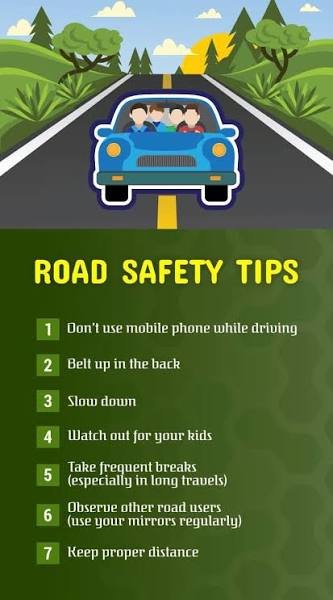
The drive is often the riskiest part of a trip.
- Use properly installed car seats and boosters that fit your child’s age, weight, and height. The NHTSA car seat guidance helps you choose and check.
- Plan regular breaks, roughly every two hours, and avoid driving when tired.
- Service your vehicle before a long trip: tires, brakes, oil, lights, and fluids.
- Pack an emergency kit: Jumper cables, first-aid kit, blanket, water, flashlight,t and phone charger.
- Avoid distractions. Set navigation and music before you drive.
- Never leave children or pets in a parked car. Temperatures inside can climb dangerously within minutes, even on mild days. Lock your car so children cannot climb in and play, and check the back seat every time you leave it.
- Share your route for remote drives.
If you are planning a longer route, read our guide to budget-friendly family road trip ideas for more planning advice.
11. Trail and Park Safety
- Stay on marked trails and obey signs.
- Stay back from edges, cliffs, waterfalls, lakes,s and thermal areas. Fatal accidents often involve people leaving boardwalks or trails for photos.
- Check trail conditions and closures before you set out.
- Do not take risks for a photo.
- Pace yourself: Adjust to the slowest member.
- Turn around when needed. Reaching the summit is optional. Getting home safely is not.
- Follow Leave No Trace. The Leave No Trace Center shares principles that protect both people and nature.
You can find beginner-friendly ideas in our guide on how to plan a family hiking trip and our list of national parks for families with young kids.
12. Adventure Activity Safety
Zip lines, rafting, horse riding, ing and climbing can be amazing for kids, but they need extra care. Choose reputable operators, follow age and weight limits, wear proper gear, and listen to guides. Our article on adventure activities that are safe for kids explains how to choose activities and providers.
13. Health and Insurance Basics
- Update routine vaccinations and check whether your destination needs anything extra. Ask your doctor.
- Bring copies of prescriptions and a list of allergies.
- Check your health insurance for coverage away from home, and consider travel insurance for longer or more remote trips.
- Carry ID and insurance details in a waterproof bag.
- Know how to reach a doctor in your destination.
Build a Simple Family Emergency Plan
Spend ten minutes before the trip talking through what you would do if something went wrong. A basic plan covers four things:
- Who to call: Save emergency numbers, your doctor’s number, and the address of the nearest hospital in your phone, and write them on paper too.
- Where to meet: Pick a meeting spot at every campsite, trailhead,d or attraction, and make sure older kids know it.
- Who is in charge: Decide which adult handles the child, which calls for help, lp and which stays with the group.
- What you have with you: Know where the first-aid kit, water, extra layers, and emergency blanket are packed.
In national parks and other remote areas, cell coverage can be patchy. Many parks list emergency numbers on their official pages and at visitor centers, so look them up before you go.
Common Safety Mistakes to Avoid
- Overconfidence. Even easy trails can turn difficult.
- Underestimating weather. Storms and heat can change plans quickly.
- Skipping supervision near water. It only takes seconds.
- Not turning around when conditions worsen.
- Forgetting water and snacks.
- Ignoring signs and rules. They exist for good reasons.
- Overpacking or underpacking. Balance is key.
- Relying on phone signal. Have a backup plan.
Frequently Asked Questions
What are the most important safety tips for hiking with kids?
Choose a suitable trail, start early, carry water, snacks, layers,s and a first-aid kit, keep children within sight, and turn around if conditions worsen. Tell someone your plan before you go.
How do I keep my child safe near water?
Stay within arm’s reach of young children, use properly fitted life jackets, assign a water watcher, and never rely on floaties as a substitute for supervision.
What should be in a family first-aid kit?
Bandages, blister bandages, antiseptic wipes, tweezers, child-appropriate medicines, any personal prescriptions, a thermometer, and an emergency blanket. Adapt it to your trip and your children’s needs.
How can I prevent my child from getting lost outdoors?
Set clear rules, give each child a whistle, keep them in bright clothing, agree on a meeting point,t and do regular headcounts. Teach them to stay put and use the whistle if lost.
Is camping safe for babies and toddlers?
Many families camp with little ones safely, provided they plan for warmth, safe sleep, sun protection, and supervision. Talk to your pediatrician if you have any concerns.
What should I do in an emergency with no phone signal?
Stay calm, treat the person as best you can, and send a capable adult to find help or signal for help. Carrying a satellite messenger or personal locator beacon adds a valuable safety net in remote areas.
Final Thoughts
Safety is not about fear. It is about preparation, so you can relax and enjoy the trip. Take a few minutes to plan, pack the basics, talk to your children about the rules, and stay flexible. The best family adventures are the oneswhere eeveryone comesback happy and healthy, already planning the next one.
Start your next trip with our best family vacations in the U.S. for inspiration, and keep this checklist handy before every departure.
Pingback: How to Choose a Travel Stroller: Types and Key Features
Pingback: Grand Canyon With Kids: 15 Parent Questions Answered
Pingback: Best Beach Vacations in the U.S. for Families: 10 Picks