The first time you go hiking with kids, you discover a surprising truth: children do not hike the way adults do. They stop to inspect every stick. They race ahead, then announce they are exhausted after ten minutes. They ask, “Are we there yet?” before you have left the parking lot. And yet, with the right planning, hiking becomes one of the most rewarding things a family can do together.
This beginner’s guide shows you how to plan a family hiking trip, from choosing a trail to packing the right gear, keeping kids motivated,d and staying safe. Whether you are planning a one-hour stroll or working up to a multi-day adventure, you will find a clear path here. If you are still looking for destinations, our roundup of the best family vacations in the U.S. has many places with excellent family trails.
Quick answer: how do you start hiking with kids? Pick a short, well-marked trail with a fun payoff such as a waterfall or lake: about 1 mile for toddlers and preschoolers, and 2 to 4 miles for school-age kids. Start early, carry more water and snacks than you think you need, dress everyone in layers, and let your kids set the pace. Turning back early is a success, not a failure.
Why Hiking With Kids Is Worth the Effort
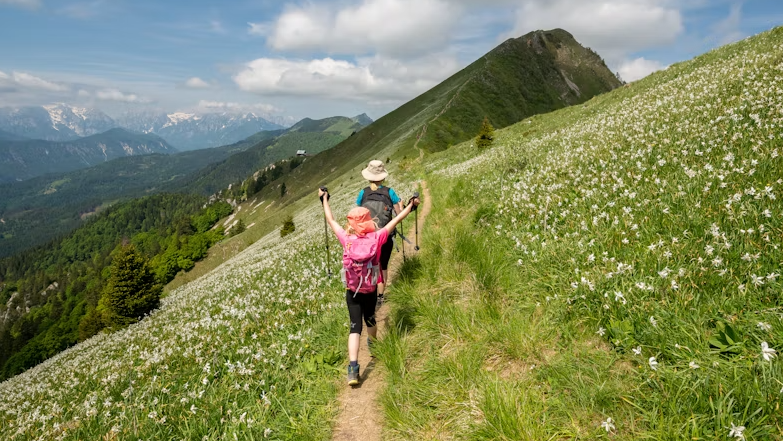
Hiking gives children things that screens simply cannot.
- Physical activity that builds strength, balance, and coordination
- Time in nature, which most parents find calms and focuses children
- Confidence, because finishing a trail is a real accomplishment
- Connection, since there are fewer distractions and more conversation
- Curiosity, through animals, plants, rocks,s and weather
- Resilience, as they learn to handle tiredness and small challenges
It also costs very little. A good trail is often free, and a pair of comfortable shoes and a snack are all you truly need to start.
Step 1: Pick Kid-Friendly Trails
The trail you choose is the most important decision. A trail that is too hard is the top reason family hikes fail.
What to look for
- Short distance. As a rough guide, many families start with about one mile for toddlers and preschoolers, and two to four miles for school-age children. Adjust to your kids’ experience.
- Modest elevation gain. Steep climbs drain energy quickly.
- A reward at the end. Waterfalls, lakes, viewpoints, caves, es or a playground make a big difference.
- Loop or out-and-back. Out-and-back trails are easy to shorten if children get tired. Loops keep the scenery fresh.
- Clear trail markings. Choose a well-marked path for beginners.
- Shade and water features. They help on hot days, and kids love splashing safely in a creek.
- Facilities. Restrooms and picnic areas at the trailhead are a bonus.
Where to find trail information
- National, state, and local park websites
- Trail apps and websites that show recent reviews and conditions
- Visitor centers and rangers, who often know current conditions
- Local hiking groups and family forums
Read recent trip reports for details like mud, snow, closed sections, or crowds. Choose “family friendly” or “kid friendly” filters when available, and remember that a trail rated “easy” may still be tough for a three-year-old.
How Far Can Kids Hike? Distance by Age
| Age | Typical distance | Typical approach |
|---|---|---|
| Babies (in a carrier) | Up to 1 to 2 miles | Short, shaded trails with feeding and diaper breaks |
| Toddlers | About 0.25 to 1 mile | Very short walks, follow their pace, expect lots of stops |
| Preschoolers (3-5) | About 1 to 2 miles | Short trails with rewards and games |
| School age (6-10) | About 2 to 5 miles | Clear goals and their own small backpack |
| Tweens and teens | About 4 to 8 miles or more | Moderate hikes, involve them in planning, add challenge |
These distances are general guidance, not rules. Every child is different, so let their energy and mood guide the plan.
Step 2: Plan Around Timing and Weather
- Check the forecast the day before and the morning of your hike. Cancel or change plans if storms, extreme heat,t or icy conditions are expected.
- Start early. Mornings are cooler, trails are quieter, er and afternoon storms are less likely, especially in mountains.
- Know sunrise and sunset times. Aim to finish well before dark.
- Allow extra time. A good rule for beginners is to expect a slower pace than an adult hiking alone, maybe one mile per hour or less with little ones, plus breaks.
- Have a turnaround time. Decide before you start when you will turn back, even if you have not reached the goal.
Step 3: What to Wear
Dressing children in the right clothes is vital for comfort and safety.
- Layers: A base layer, a warm layer such as fleece, and a waterproof jacket
- Moisture-wicking fabrics: Avoid cotton where possible, since it stays wet and cold
- Comfortable footwear: Sturdy shoes or trail runners with good grip, worn in before the trip
- Socks: Wool or synthetic, with a spare pair in the bag
- Sun protection: Hat, sunglasses and sunscreen
- Insect protection: Long sleeves and repellent suitable for children when bugs or ticks are common
- Gloves and warm hat: For cool weather or higher elevations
Dress yourself in layers, too. Children mirror the adults around them.
Step 4: What to Pack for Hiking With Kids
You do not need a giant backpack, but a small, organized kit helps.
The essentials for every hike
- Water: Plenty for everyone, more in hot weather. As a rule, bring more than you think you need.
- Snacks: A steady supply of easy snacks keeps energy and mood up.
- First-aid kit: Bandages, blister bandages, antiseptic wipes, tweezers, pain relief suitable for children, and any personal medicines
- Sun protection and insect repellent
- Extra layers and a rain jacket
- Map or offline navigation, and a fully charged phone
- Whistle: Give one to each child on a lanyard
- Headlamp or flashlight: Even on day hikes, in case you finish later than planned
- Small trash bag: Pack out everything you carry in
- Wipes and tissue
- Small towel or change of clothes if water play is likely
For a more complete list, see our guide to the best travel gear for traveling with kids.
Let kids carry something.
Give children a small pack with a water bottle, a snack, and a special item such as binoculars or a nature notebook. Feeling responsible builds pride. Keep loads light.
For babies and toddlers
A comfortable, well-fitting child carrier is a game changer. Choose one that supports the child correctly and fits the adult’s body, and follow the manufacturer’s weight and age guidelines. Practice wearing it at home first, and remember that carrying a child changes your balance, so avoid steep, slippery,y or rocky sections.
Step 5: Keep Kids Motivated on the Trail
Motivation is the secret to successful family hiking. These ideas work for most ages.
- Turn it into a game: Scavenger hunts, “I spy,” bingo cards for nature items (pinecone, feather, red leaf)
- Give them a role: Trail leader, map reader, snack manager, bird spotter
- Use a Junior Ranger or nature journal to record discoveries
- Set mini goals: “Let’s reach the big rock, then have a snack”
- Plan snack breaks at natural landmarks
- Let them lead at their own pace, within safe limits
- Bring a friend. Kids often hike better with a buddy
- Tell stories or sing songs
- Celebrate at the end with a picnic, ice cream, or a swim
Avoid promising “just a little further” if you are not sure. Honest expectations build trust.
Step 6: Trail Rules and Etiquette
Teaching kids trail manners is part of the fun.
- Stay on the trail to protect plants and avoid getting lost
- Yield to others: Uphill hikers have the right of way, and bikers or horses usually have priority depending on local rules
- Leave no trace: Pack out trash, including food scraps
- Keep noise reasonable: Enjoy wildlife and other hikers’ peace
- Do not feed or approach wildlife
- Leave rocks, plants, and artifacts where you found them
- Keep dogs on a leash where required, if you bring a pet
Step 7: Safety First
Preparation prevents most problems. Our guide to family travel safety tips explains many of these in more depth.
- Tell someone your plan. Share your route and expected return time.
- Stay together. Establish a “stay where I can see you” rule and, for busy trails, use bright clothing to make kids easier to spot.
- Teach the “hug a tree” rule. If a child is lost, they should stay where they are, stay put,t and use their whistle.
- Watch for signs of trouble: Heat exhaustion, dehydration, blisters, fatigue,ue and hypothermia.
- Learn basic first aid. A short course is a worthwhile investment.
- Know wildlife rules. In bear country, follow the park’s advice on food storage and bear spray.
- Keep your distance from cliffs, rivers, and steep drops. Hold hands or stay very close.
- Check for ticks after hikes in wooded or grassy areas.
- Do not depend on phone signal. It can vanish quickly.
Step 8: Build Up Gradually
If your child has never hiked, begin slowly.
- Neighbourhood walks: Increase distance and add small hills.
- Local park trails: Short, easy paths with familiar surroundings.
- Longer day hikes: Trails of a few miles with a clear reward.
- Hikes with elevation: Add climbs slowly, once endurance grows.
- Overnight trips: Try a short overnight camp near the car before backpacking.
- Multi-day trips: When kids are ready, plan a well-supported route.
Our family camping checklist is a good bridge between day hikes and overnight adventures.
Planning a Multi-Day Family Hiking Trip
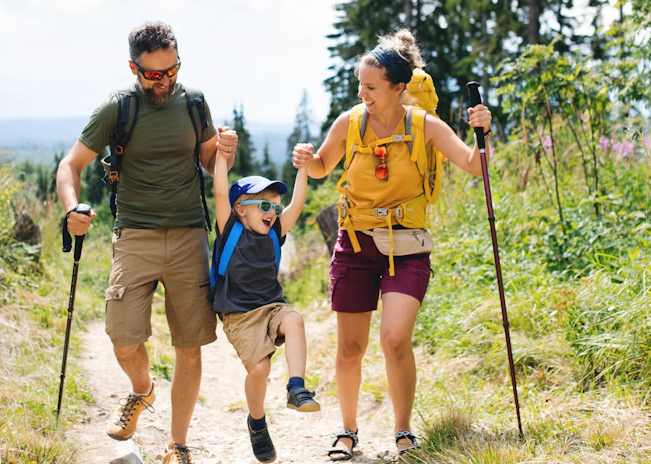
Once your children are comfortable with day hikes, a multi-day trip can be a wonderful next step. It takes more planning, so take it slowly.
Choose a beginner-friendly route.e
- Short daily distances: Many families aim for two to five miles per day at first, depending on the children’s age and fitness.
- Water sources: Know where you can refill safely, and carry a filter or treatment method.
- Established campsites or huts: Reserved sites reduce stress.
- Escape options: Choose routes where you can exit early if someone is sick, injured, or tired.
- Accessible trailheads: Being near the car provides a safety net.
Extra gear for overnight trips
- Backpacks that fit comfortably, and a plan to distribute weight
- Tent or shelter, sleeping bags and pads
- Stove, fuel, pot,t and lightweight food
- Water filter or purification tablets
- Bear canister or a hanging system if required
- Extra clothing layers and rain gear
- Navigation tools and a charged power bank
- First-aid supplies and repair kit
Meal ideas
- Oatmeal and dried fruit for breakfast
- Tortilla wraps, cheese and jerky for lunch
- Dehydrated meals or simple pasta for dinner
- Trail mix, bars and fruit leather for snacks
- Hot chocolate for cold evenings
Practice before you go
Do a backyard or campground trial with all your gear. Load the packs and take a test walk with them. Fix problems before they matter.
Common Beginner Mistakes
- Choosing a trail that is too long. Shorter is nearly always better.
- Skipping snacks and water. Hungry, thirsty kids struggle.
- Wearing new shoes. Blisters ruin trips. Break shoes in first.
- Forgetting the weather. Conditions change quickly, especially in mountains.
- Starting too late. Early starts prevent stress.
- Not turning around. Stopping short is not failure. It is good judgment.
- Pushing kids beyond their limit. A negative first experience can put children off hiking.
- Not bringing extra clothes. Wet, cold children need a change.
Getting the Most from Your First Trip
A few small habits make trips more enjoyable:
- Hike slower than you think. Let kids explore.
- Pick a destination with a story. Old mills, lighthouses, es and waterfalls spark imagination.
- Take photos, but not too many. Enjoy the moment.
- Bring a small treat for the finish. It gives everyone something to look forward to.
- Talk about it afterwards. Ask about the best part and what they want to do next time.
If you want your next adventure to be at a park, read about the best national parks for families with young kids, where many of the easiest trails are designed for beginners.
Frequently Asked Questions
How far can a young child hike?
It depends on age, energy,rgy and experience. Toddlers might manage a fraction of a mile, while school-age children can often hike several miles with breaks. Let the child’s pace guide you.
What should I do if my child refuses to walk?
Stay calm, take a break, offer a snack, and change the game. Turning back is fine if the child is genuinely tired or upset. Keep the mood positive so they want to try again.
How many snacks should I bring?
More than you think, and a variety. Easy-to-eat snacks such as fruit, crackers, trail mix, and granola bars keep energy steady. Check allergies, especially when hiking with groups.
When can my child start using trekking poles?
Many children can use lightweight, adjustable poles from around school age, if they can handle them safely. They are optional for beginners and should be used carefully on uneven ground.
Is it safe to hike with a baby?
Many families hike with babies in a properly fitted carrier. Pick short, easy, shaded trails, watch the temperature, protect from sun and insects, and follow your pediatrician’s advice.
What age can kids start hiking?
Kids can start at any age. Babies can ride in a well-fitted carrier on short, shaded trails, and toddlers enjoy very short walks at their own pace. What matters is matching the trail to the child, not the child’s age on paper.
How many miles can a 5-year-old hike?
Many 5-year-olds enjoy 1 to 2 miles with plenty of breaks, and some can do more on a flat, interesting trail. Plan for a slower pace than an adult, and treat anything beyond the plan as a bonus.
How do I get my kids to enjoy hiking?
Make it a game, give each child a job, bring favorite snacks, choose trails with a reward at the end, and let them lead sometimes. Keep early hikes short so they finish happy and ask to go again.
What is the best time of year to hike with kids?
Spring and fall often have comfortable temperatures. Summer works with early starts and shade, while winter needs extra care for cold, i ice, and short days.
Helpful Resources
For official, up-to-date information, these trusted sources are worth bookmarking:
- National Park Service (trail conditions and safety)
- U.S. Forest Service (national forest trails)
- Leave No Trace Center
- National Weather Service
Final Thoughts
Hiking with kids is mostly about lowering the pressure. Choose a trail your kids can enjoy, pack more snacks than you think you need, and treat every hike as a chance to explore rather than a goal to reach. The strongest hiking families are not those who go the farthest. They are the ones who keep going back.
Ready to add more adventure? Explore our guide to adventure activities that are safe for kids, or look at family-friendly mountain getaways for your next trip.